

Heat waves are periods of abnormally high temperatures that occur when the maximum temperatures of a station reach 40oC or more for the plains, 37oC or more for coastal areas, and 30oC or more for hilly regions, according to Indian Meteorological Department (IMD) .
They typically occur during the summer months, when the sun is high in the sky and the days are longer. Heat waves are a weather phenomenon that is caused by various factors, including atmospheric conditions, humidity levels, and weather patterns. These factors can cause temperatures to rise and persist for an extended period, leading to heat waves.
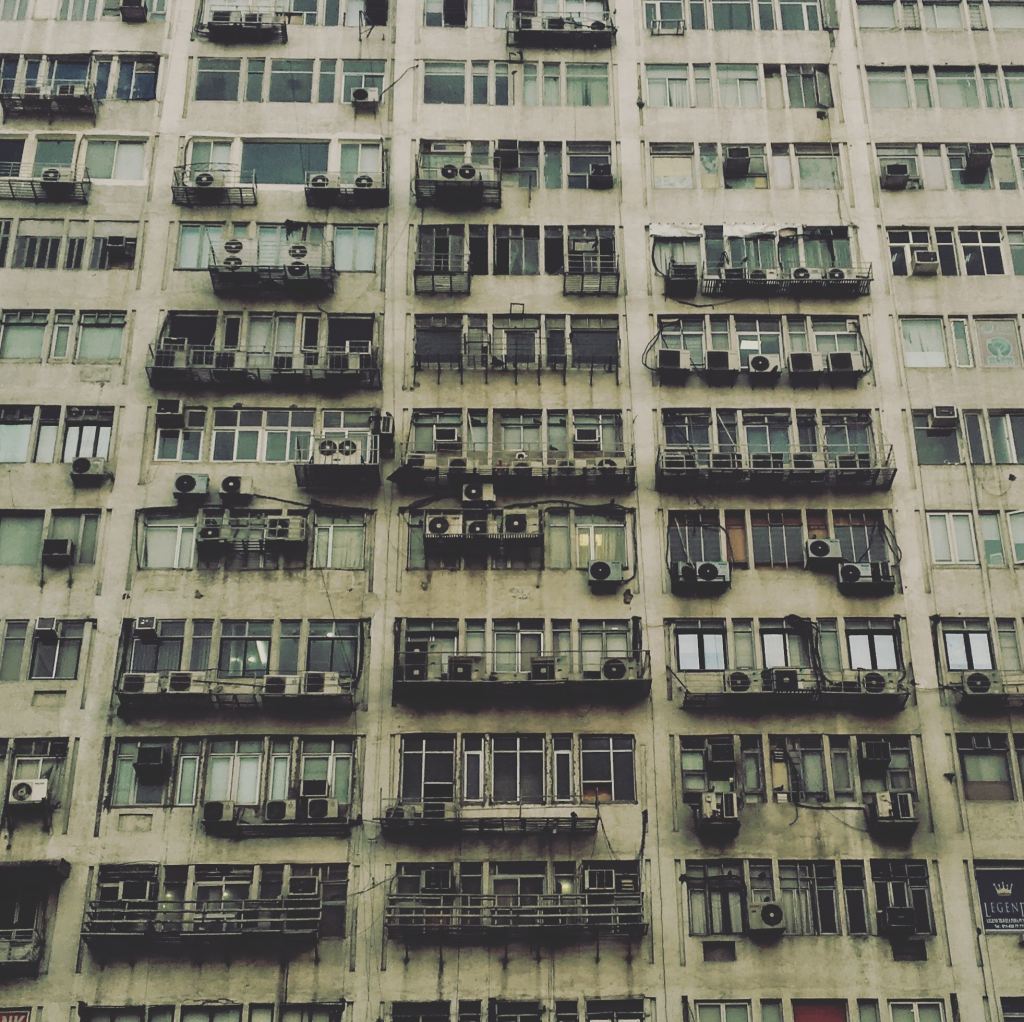
The buildings are so close to one another, and there are no big windows for proper ventilation. There is discomfort, dehydration, and stress when there is rise in temperature. This could leads to an increased demand for air conditioning units to relieve ourselves from the freaking temperature. AC helps to improve comfort levels, reduce stress, and improve overall well-being and productivity.
The history of air conditioners dates back to ancient civilizations, where people used various methods to cool their living spaces. For example, ancient Egyptians used reeds soaked in water and hung them in windows to cool the air as it blew in (poor man’s A/C till date), while ancient Romans used an aqueduct system to circulate cool water through the walls of their homes.
The modern air conditioner, as we know it today, was invented in 1902 by Willis Carrier, an American engineer. Carrier was working for a printing company in New York City. He was tasked with finding a way to control the humidity in the printing room, which was causing the paper to expand and contract. Carrier’s solution was to create a system that circulated cool air over coils filled with cold water, which would remove the humidity from the air.
The first air conditioning units were large and expensive and were primarily used in commercial and industrial settings. It wasn’t until the 1920s and 30s that air conditioning began to be installed in homes, and it remained a luxury item for many years due to its high cost.
The basic principle of air conditioners has remained the same since Carrier’s invention. Air conditioners use a refrigeration cycle to remove heat from the air inside a room and transfer it outside. The cycle works by compressing a refrigerant gas (R-410A, R-22, R-132A, R-407C, R-32, and R-290), which causes it to become hot, and then allowing it to expand, which makes it cold. This process cools the air passing over the coils, and the warm air is then blown outside through a vent or duct.
Among the refrigerant gases, R-32 and R-410A gases are widely used since they have a lower global warming potential (GWP). When these refrigerants are not handled properly or leaked into the atmosphere, they can trap heat and contribute to global warming. Also, the hot air released from air conditioning can contribute to global warming. The electricity needed to power the AC is generated by burning fossil fuels, thereby releasing carbon dioxide and other greenhouse gases into the atmosphere, which contributes to global warming.
The whole scenario becomes a paradox when usage of air conditioners is high in urban areas and the temperatures are going to be significantly higher than those in surrounding rural areas. This can exacerbate the effects of heatwaves and contributing to higher energy demand as individuals utilize AC for cooling purposes, creating a cycle of increased energy use and greenhouse gas emissions.
In ancient days, the AC was considered a luxury, but now it has become a necessity. It has become a ubiquitous part of modern life in homes, offices, cars, and many other places. It is hard to get rid of air conditioners completely. However, the Bureau of Energy Efficiency (BEE) has issued guidelines on maintaining a range of temperatures (24–26oC) for commercial buildings during the summer months. There are some alternatives, including solid refrigerants instead of gas/liquids, energy-efficient AC equipment, and some other measures such as light-colored paints, shading devices, the use of timers, and proper ventilation.
Cheers!
Stay hydrated!
PS: Chill with Heat waves.
I do send out my posts to very few people. Join my mailing list if you enjoy what you see.

 Random Whys