


In the olden days (when I was young), it was common to purchase clothes only on special occasions such as festivals, birthdays, or other noteworthy events. In a year’s span, I would scarcely acquire a handful of fresh garments, barely enough to keep my wardrobe updated. However, the trend of clothing purchases has undergone a significant shift in recent times.
As I cleaned out my closet, I was taken aback by the sheer number of old clothes I discovered. I’m honestly baffled by how I ended up with so many clothes, and the crazy part is that I hardly ever wear most of them! It’s like they just sit there, gathering dust and occupying the space in my closet. Some could be repurposed for cleaning or other uses, but a significant amount remained. While we used to sell some of them in exchange for utensils, it made me wonder how other households dispose of their excess clothing.
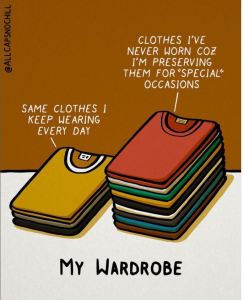
Instead of buying clothes based on what we actually need, we often get lured into grabbing them solely because of the tempting sales and discounts. It’s like our brains go into bargain-hunting mode, and before we know it, our closets are overflowing with impulse purchases. The rise of fast fashion has led to a significant upsurge in clothing purchases all around the globe. This surge can be attributed to various factors that have reshaped the industry.
Firstly, the globalization of fashion has played a pivotal role in making clothing more affordable and accessible to a wider range of consumers. The rapid expansion of fast fashion brands has perfectly tapped into this trend, offering stylish and inexpensive clothing options that are quickly churned out and easily discarded when no longer in vogue. Astonishingly, according to the Ellen MacArthur Foundation, the production of clothing has doubled over the past 15 years, reaching an astounding annual total of 100 billion garments.
The convenience of online shopping has revolutionized the way we purchase clothes, making it easier than ever before. With just a few clicks, one can browse through countless options and have items delivered right to their doorstep. Additionally, the power of social media cannot be underestimated when it comes to influencing shopping habits. The emergence of platforms like Instagram and TikTok has transformed the fashion landscape.
As individuals, we are constantly exposed to new trends and styles. The influence of fashion influencers on these platforms is undeniable, as they showcase the latest looks and inspire us to update our wardrobes. According to a survey conducted by Ipsos, a staggering 65% of consumers feel compelled to regularly refresh their clothing to keep up with ever-changing fashion trends.

Despite the surge in clothing purchases, a significant chunk of these garments end up unused, as per a report by the Waste and Resources Action Programme (WRAP). Surprisingly, around 30% of the clothes hanging in the average person’s wardrobe remain unworn. The reason behind this pile-up of untouched clothes is a mix of factors that include our impulsive shopping habits, ever-changing fashion preferences, and the relentless pressure to stay on top of the latest trends. It’s a wild combination that leads to a wardrobe full of outfits we hardly ever wear.
The fashion industry and the disposal of unused clothes hold a significant responsibility for environmental pollution. Shockingly, approximately 10% of all clothing produced every year meets its untimely demise in landfills, accounting for a massive 92 million tons of discarded garments. As mentioned earlier, most discarded clothes end up in landfills, where they decompose and release methane, a potent greenhouse gas that contributes to climate change. Additionally, the decomposition process releases toxic chemicals from synthetic fabrics, further polluting the environment.
Moreover, the production of synthetic fabrics, such as polyester, contributes to water pollution. The production process involves the use of chemicals that can contaminate water sources, harming aquatic ecosystems and affecting human health. The UNEP estimates that the fashion industry is responsible for 20% of industrial water pollution globally.
There are several techniques that we can all use to reduce our impact on the planet. One effective way to achieve this is by embracing the concept of buying less clothing. It’s true that everywhere we turn, there are sales, flashy ads, and trends that make us want to splurge on new outfits. However, amidst all the temptation, we can make a conscious effort to try to rein it in.
Another alternative is to explore clothing rental services or borrowing options. Renting or borrowing clothes allows us to try out new trends and styles without committing to purchasing them outright. Additionally, supporting sustainable clothing brands is crucial. Many brands now focus on using recycled materials and implementing practices that have a lower environmental impact.
When we find ourselves no longer in need of certain clothing items, it is essential to donate them to charities or recycle them. By doing so, we actively participate in reducing the volume of clothing that ends up in landfills, thus mitigating the environmental harm caused by textile waste.
In a world where the seductive allure of fashion constantly entices, it requires strength to resist the urge for excessive clothing purchases. However, it is within our grasp to make a difference.
Cheers!
PS: BTW, what’s up with your wardrobe?
I do send out my posts to very few people. Join my mailing list if you enjoy what you read.

 Random Whys