
You are what you eat, right? Lately, I’ve been pretty focused on the types of food I’m putting into my body, and the same goes for my family (keener on them than me). It’s not a super serious obsession, but it’s definitely something I’ve been thinking about. If you’re curious, you can check out my latest post on Plate Progression.
I’ve become a keen listener of podcasts, especially those featuring various Doc on social media, and I’ve also delved into a few books that have piqued my curiosity. Recently, I watched a documentary series on Netflix - You are what you eat – A twin study experiment health on 22 pairs of twins but 4 pairs were casted.
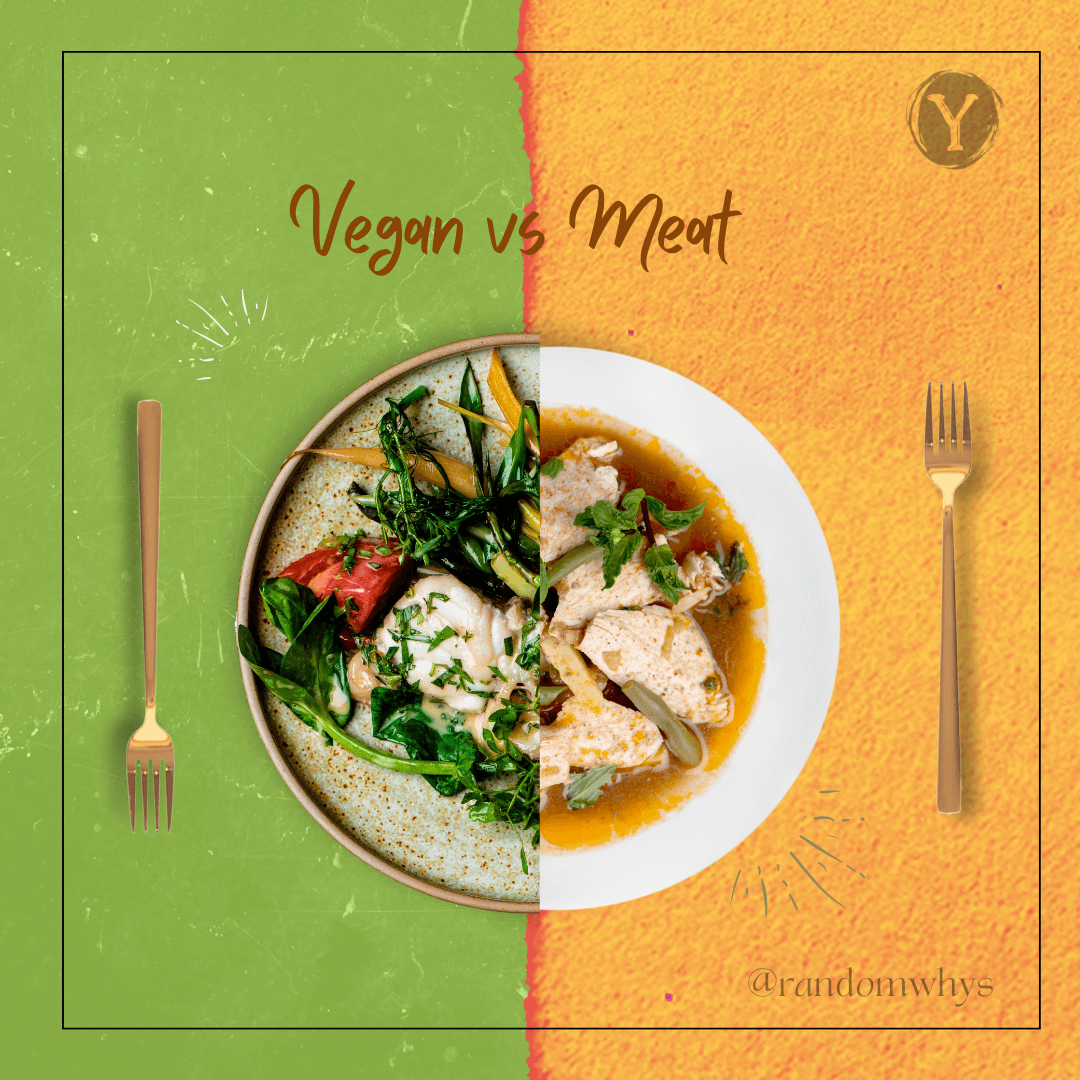
One twin followed a vegan diet, while the other went for an omnivore diet. Before the diet kicked in, they measured things like weight, lean mass, fat mass, gut microbiome, sexual arousal, problem-solving abilities, memory, telomeres, and epigenetics.
For the first four weeks, they were provided with food, and for the remaining time, they had to cook their own meals (same diet). They also had a trainer and a food coach. The study didn’t just focus on the twins; it also delved into how animals contribute to the climate crisis, environmental pollution, diseases, parasites, etc. The emphasis was on promoting a veganism or plant-based diet.
At the end of the study, the twins on the plant-based diet, coupled with proper resistance training and cardio, experienced a loss in fat mass without compromising lean mass. They also showed improved gut health, increased telomere length, and heightened sexual arousal. However, there was no change in memory, probably because the study was relatively short-term.
The vegan diet, as expected, had its drawbacks, like the long-term lack of Vitamin B12 and Vitamin D, and the lower absorption of iron from plant-based sources. Those weren’t covered. On the positive side, the fiber in plant-based diets nourishes the microbiome, contributing to serotonin production, our happy hormone.
I recall reading in “The Myth of Normal” about telomeres, where longer telomeres indicate better aging and a longer lifespan. The study suggested that those on a vegan diet experienced an increase in telomere length. Additionally, the body tends to use energy stored in muscles (lean mass) before tapping into fat mass if there’s no resistance training or weight lifting. One more thing to be noted is that you need to eat a lot if you’re on a plant-based diet, but you might feel full after a few bites. That’s the drawback.
I can’t help but feel a bit biased at times. There were periods when meat and processed foods were heavily advertised, and now it seems like the spotlight is on veganism. And I am not in favor of killing animals as well. Anyway, capitalism tends to come out on top in the end.
Understanding whether something is truly healthy or just a marketed product isn’t easy for the average common person. Right? It often requires personal experimentation. What are your thoughts on this?
Cheers!
PS: Sign up to receive the latest post in your inbox!
Don’t miss out! Get notified about new blog posts straight to your inbox ! (No spam, pinky promise!)
Enter your email below to receive updates

 Random Whys