
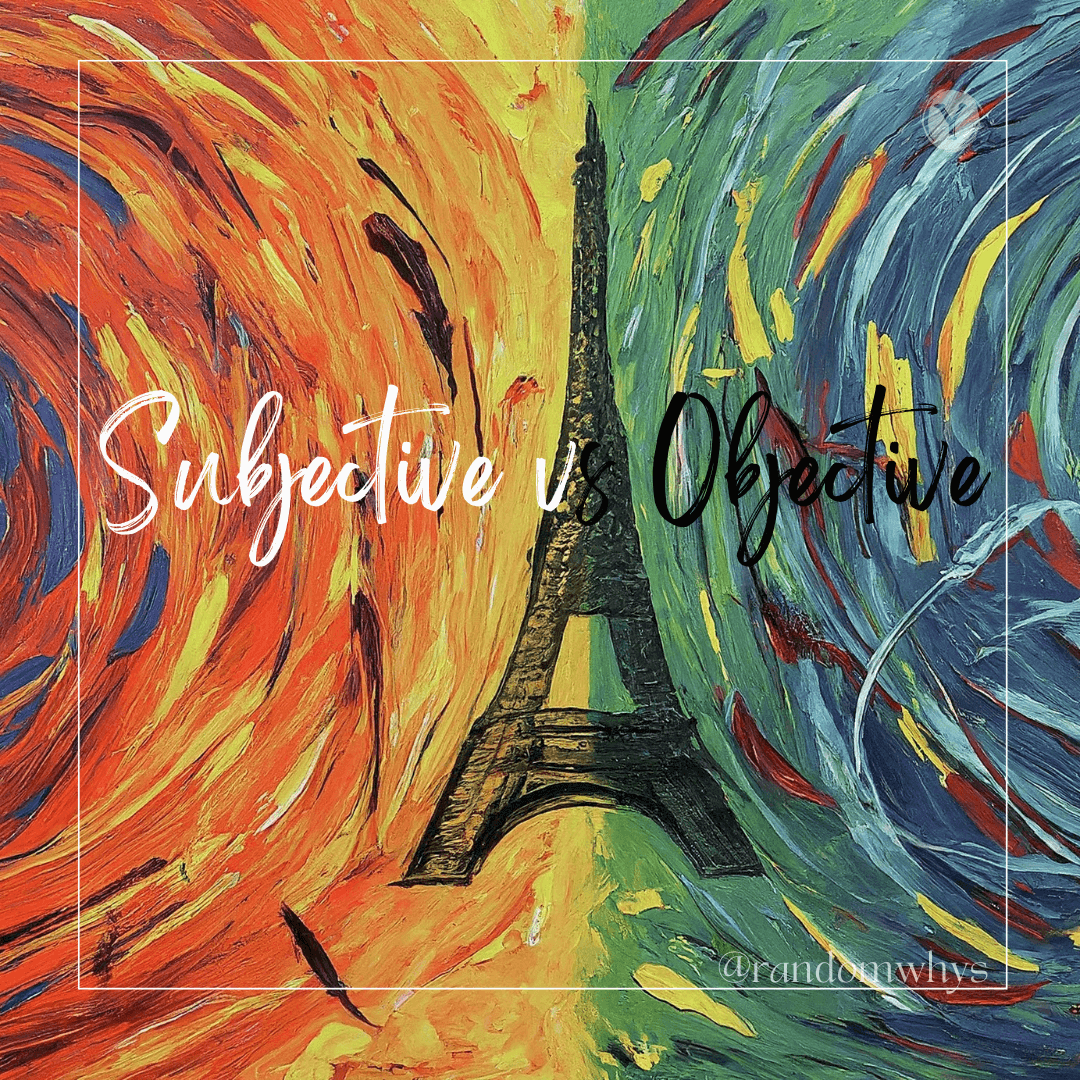
Have you ever noticed how wildly movie reviews can vary? We often assume we know exactly what the director intended, but the reality is, interpretations vary widely among us. It’s us that ultimately shapes the meaning, drawing from their unique perspectives and experiences.
When I was reading the reviews for a movie called “Lover” across various platforms, I noticed a significant difference of opinions from each and every viewer. While some people agreed, others weren’t fond of particular characters. I was curious about the diversity of opinions. Often, our past experiences, whether joyful or traumatic, greatly influence how we view and respond to art.
Movies like action or thriller films. We watch them, but we don’t really place ourselves in those scenarios because, let’s face it, nobody is punching twenty people at a time. Not realistic. Right? Similarly, thrillers often depict situations that are far removed from our reality. We enjoy them, that’s it.
But, take the character Arun & Divya, for instance. Both of their struggles may resonate deeply because many of us have either walked in their shoes or seen someone who has. The connection feels personal, perhaps uncomfortably so.
The varied reactions to the movie characters highlight the contrast between subjective and objective art. Let’s break it down. Subjective art is deeply personal—it’s about how we, as individuals, interpret and feel. There’s no right or wrong; each person’s understanding is valid and unique.
For example, in movie called Thozha (highly recommended) and Upgraded, the way people interpret is totally different.

What appears as random brushstrokes to one person can evoke profound emotions in another. Some are paintings of Van Gogh, Wassily Kandinsky, Jackson Pollock. (Please check them out) These paintings have the power to move and inspire viewers in unique ways.
On the flip side, objective art is more about quantifiable elements—techniques, structure, patterns that can be universally recognized. Sculpture made by the lead in the web series called Nevertheless (Kdrama). I regret for the blurry picture, but the wings drew me in

I’m not sure what to cite for objective, but here are some of the sculptures, portraits. Consider architectural marvels like the Taj Mahal, where specific design elements and geometric precision define its beauty objectively.
I haven’t yet visited a bustling museum of art, but it’s on my bucket list. Perhaps you can draw your own conclusions from these visual interpretations.
Life often presents us with art that blurs the lines between subjective and objective. However, this contrast is what makes art so intriguing and thought-provoking. It’s the beauty of interpretation, isn’t it?
It allows us to appreciate the technical mastery while also reveling in the unique interpretations it ignites within us. So next time you encounter a piece of art, embrace both sides of the coin – the objective skill and the subjective journey it takes you on.
Cheers!
Check out related posts: Art vs Artist, Why art always finds its way back?
Don’t miss out! Get notified about new blog posts straight to your inbox !
(No spam, pinky promise!)
Enter your email below to receive updates


 Random Whys
2 thoughts on “Subjective vs. Objective Art: The ‘Lover’ Effect!”
Comments are closed.