

Perfect Days is a film that caters to those who appreciate a solitary narrative, although it may not be everyone’s cup of coffee. Unlike the typical movies that offer a dopamine rush through action, twists, and turns, or the emotional rollercoaster and songs, Perfect Days takes a different approach. It’s a kind of slow-moving movie where a man follows the same routine day in and day out.
One of my major difficulties in watching this film was that I had to rely on English subtitles. I don’t know Japanese. It felt like I was missing out on a deeper layer of the movie. Nevertheless, I was able to comprehend the main story based on the subtitles.
It’s a quiet film that focuses on the mundane yet intimate details of a man’s life. An old man who is around 60 to 70 years old and works diligently cleaning public toilets in Tokyo. And trees! He possibly collects all saplings of maple tree and grows.
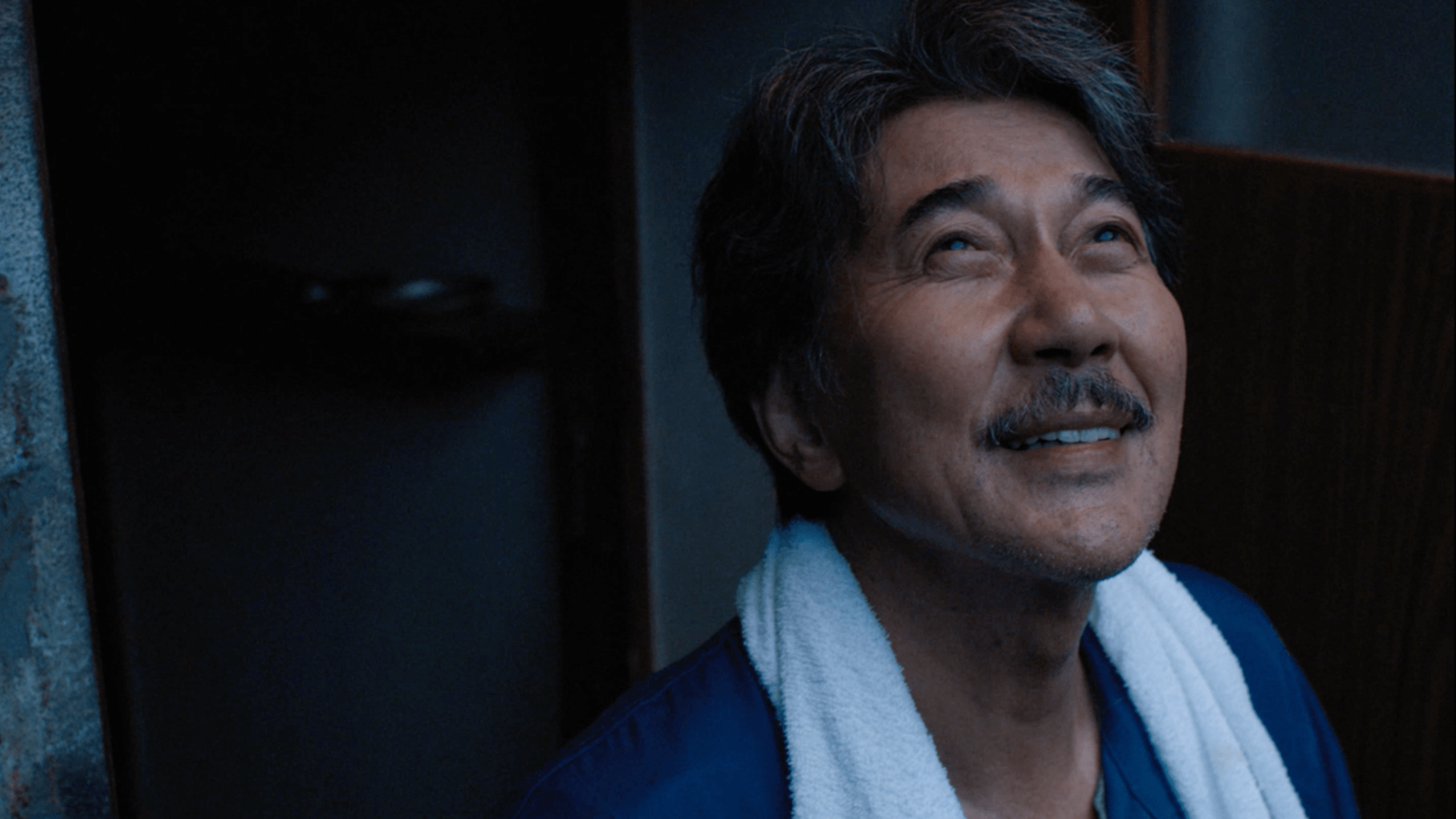
What I found particularly striking was the way the film portrays the protagonist’s work. I’ve rarely seen a movie that depicts the cleaning of public toilets with such elegance and attention to detail. He is devoted to his work, carrying all the necessary cleaning equipment in his car. I am not sure whether he loves his job, but he surely enjoys it. The way he pulls out each pipe, refills the tissue rolls, and ensures every nook and cranny is spotless was genuinely captivating.

Surprisingly, I found myself absorbed in the process, finding a peacefulness and satisfaction in his work that I hadn’t expected. I didn’t know that Toilets can look this amazing!

Moreover, the film is largely devoid of dialogue, relying on visual storytelling and ambient sounds to convey emotions and nuances. I started paying attention to the sounds after watching Park Hae Young’s work (check out my previous post). Sound engineers did amazing work here.
Rustling of leaves, his breathing, the turning of pages, the clicks of the camera, the sparing of water on the leaves, his footsteps, etc. These elements add immense value to the viewing experience, encouraging us to slow down and truly immerse ourselves in his world.

The protagonist’s circle of social interactions is remarkably small, consisting of his coworker, a few regulars at the bar he visits, and his Sento acquaintances. He rarely speaks for the first hour. But this gets disrupted when his niece stays with him briefly. His troubled relationship with his sister and his refusal to visit his ailing father suggest a complex backstory that is only hinted at. His black & white dreams too.
He stays away from modern technology, rarely using his phone except for a brief appearance. Instead, he relies on a radio and an old cassette system for music, preferring the simplicity of books and a bicycle for his daily needs. When his niece inquiries about Spotify, he’s out of it. He is firmly believing that “now is now, and next time is next time.
One more remarkable aspect of the film is his genuine passion for his work. However, when faced with an overwhelming workload and the absence of his usual assistant for a night shift, his routine suffers. He gets frustrated. This is a relatable experience for any of us right? Maybe this is how we are all burned out.
One fine day, he learns that the man she’s supportive of (the one who runs the bar) is her ex-husband, who is seriously ill with cancer. The ex-husband asks him to take care of her after he’s gone. Even though he insists there’s no romantic relationship, it’s clear they care for each other.

The ending is open-ended. One possible interpretation is that he has unresolved emotional baggage from the past but has found a sense of contentment in his current lifestyle. Sometimes, it becomes overwhelming, leading to tears and a deep sense of emotion. That goes with the lyrics.
Another interpretation could be that the protagonist has found a sense of purpose and fulfilment in caring for the woman he seems to have feelings for, despite the absence of a traditional romantic relationship. That goes with the lyrics too.
Oh, it's such a perfect day.
I'm glad I spent it with you.
Oh, such a perfect day.
You just keep me hanging on.
You just keep me hanging on.
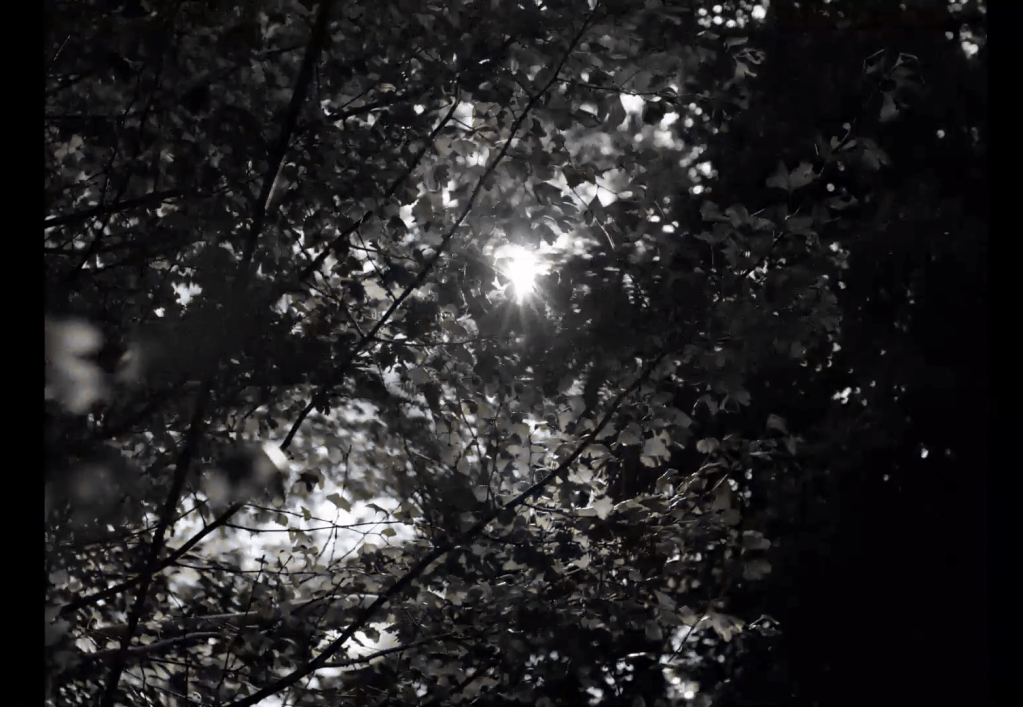
The movie ends with a Japanese word called Komoberi (the shimmering of light and shadows). Maybe it is all about life filled with sunshine and shadows!
Lastly, the film leaves room for different endings and interpretations, echoing Orson Welles’ notion that a happy ending depends on where you stop the story.
This movie may resonate more with older audiences, offering deeper insights that younger viewers might not fully grasp. (Wishing to be older, lol) Overall, Perfect Days is a cinematic experience that invites the audience to slow down and appreciate the small details. And think about the deeper questions of life. It’s a film that may resonate more with those who can appreciate the beauty in simplicity, the wisdom in silence, and the artistry of the filmmaker’s vision.
Cheers!
PS: Perfect day’s Soundtrack
Thank you for reading ♡!
If you found this helpful, please give it a thumbs up and share it with anyone who might enjoy.
BTW, can we live like that? Share your views and interpretations. Feel free to leave a comment below as well!!
Suggestions are welcomed!
Don’t miss out! Get notified about new blog posts straight to your inbox ! (No spam, pinky promise!)
Don’t miss out! Get notified about new blog posts straight to your inbox !
(No spam, pinky promise!)
Enter your email below to receive updates.


 Random Whys
Oh, thank you for sharing! Do watch it :)
Hi! Thank you for linking to my article about Komorebi 木漏れ日, a word formed from the Japanese for “tree,” “leaking,” and “sun.” FWIW, it is pronounced kō-mō-leh-bē.
Now I want to search out the movie “Perfect Days”!