
Plastic. It all began in the 19th century with a marvel of modern science. This seemingly miraculous invention. Durable and convenient, it seemed like a dream come true.
Little did we know, this dream would turn into a nightmare as plastic production exploded in the 20th century. It’s everywhere. From the pristine peaks of Mount Everest to the deepest trenches of the Mariana Trench, the problem is undeniable. This seemingly indestructible material, once celebrated as a marvel, has now become an environmental nightmare.

History
Plastics have a rich and complex history. In 1862, Alexander Parkes patented Parkesine, the first man-made plastic, crafted from cellulose nitrate and camphor. In the 1920s, Cellophane, Polyvinyl chloride (PVC), and polystyrene were created. Then, in 1933, Polyethylene, which is widely used today, was discovered by accident by Eric Fawcett and Reginald Gibson. Nylon, the first synthetic fiber, came about in 1935, thanks to Wallace Carothers. Fast forward to 1941, and Polyethylene terephthalate (PET), used in plastic bottles and fibers, was patented by John Rex Whinfield and James Tennant Dickson.
In 1954, Karl Ziegler and Giulio Natta developed a way to make polyethylene and polypropylene with high molecular weights, making them widely available. By the 1960s, plastics were being used everywhere, from consumer products to packaging and construction materials. However, by the 1970s, concerns about plastic waste and pollution began to surface.
Present
Every year, we make around 400 million tons of plastic trash. If things keep going like they have, experts think we’ll make over 1,100 million tons of new plastic by 2050. Out of all the plastic waste we’ve made so far, only less than 10% gets recycled.
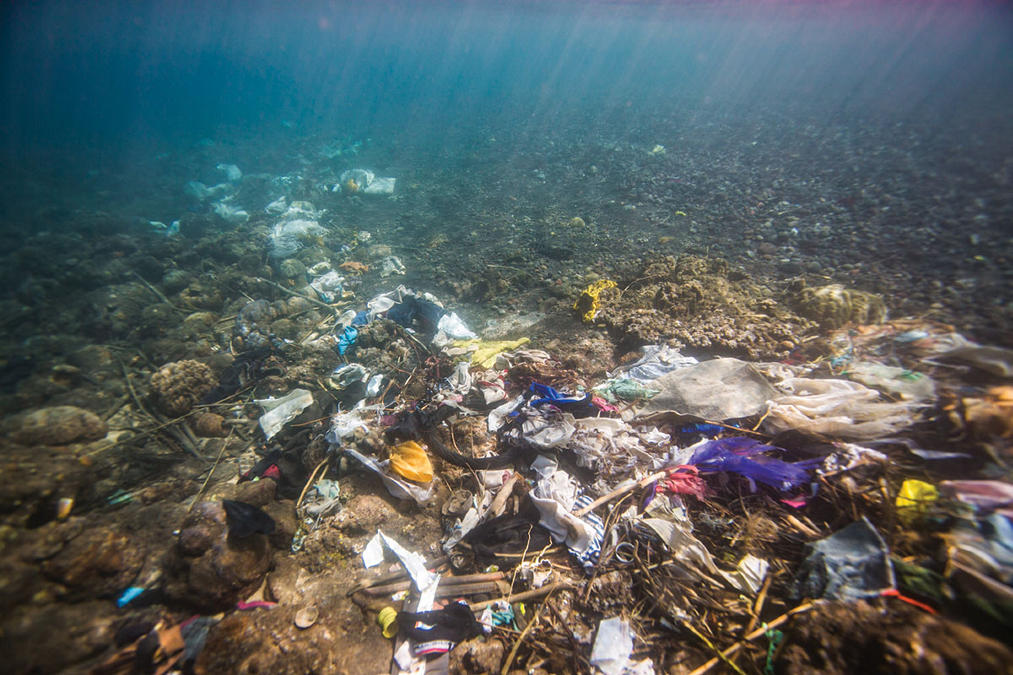
Most of it ends up in the environment, like our oceans, where it doesn’t belong. Right now, there’s estimated to be between 75 and 199 million tons of plastic floating around in our oceans, and that could jump to 23–37 million tons every year by 2040.
Fungi, Microbes, and Others
Thankfully, nature has a secret weapon for keeping things clean: an invisible janitorial crew composed of fungi and microorganisms. These tiny powerhouses play a crucial role in decomposition, the process by which dead organic matter is broken down and returned to the environment as nutrients. Without these tireless decomposers, our planet would be a cluttered mess. They not only keep things clean but also ensure a constant supply of nutrients for healthy ecosystems.
Fungi, especially because they can break down almost anything. They do this by making strong enzymes that break things down into simple parts they can eat. While they usually break down stuff like wood, they can also munch on things like carpets, furniture, and even plastic. Some studies show that certain fungi might even be able to break down tough chemicals called PFAS, but we’re still learning about it. Researchers think that some of the plastic we can’t find in the ocean might have been broken down by marine fungi.
Ideonella sakaiensis
Scientists in Japan made a big discovery. They found a special bacteria called Ideonella sakaiensis that can break down a common plastic called PET, which is used in things like bottles and containers. This bacteria has two important helpers: PETase and MHETase, which help break down the plastic into smaller parts that the bacteria can use for food and energy. In lab tests, Ideonella sakaiensis was able to break down a thin PET plastic film in just 42 days (6 weeks).
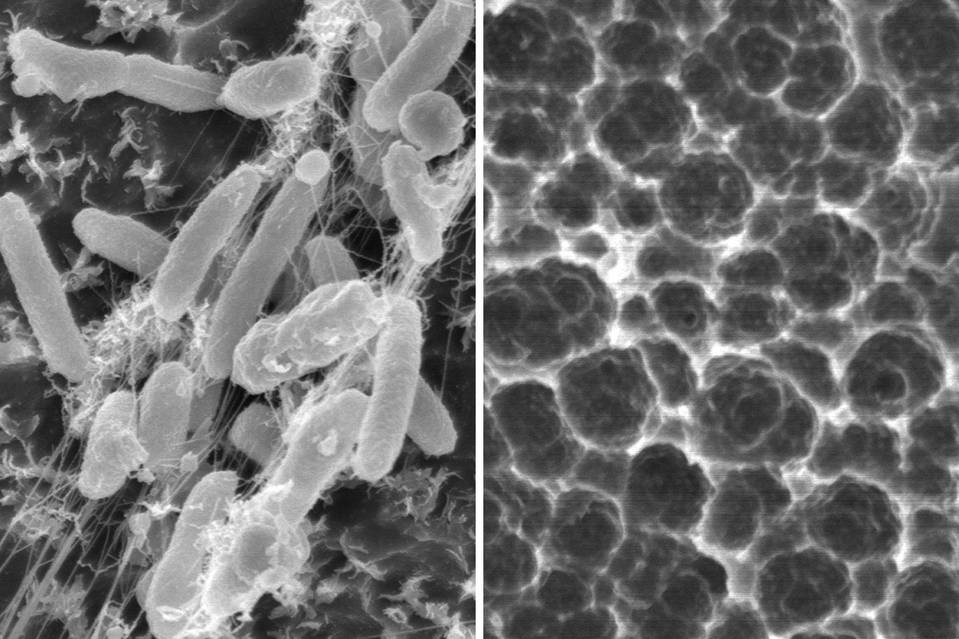
Pestalotiopsis microspora
Pestalotiopsis microspora an endophytic fungus. That’s really good at breaking down a plastic called Polyurethane (PU), which is both areobic and anaerobic. In just 30 days, it can break down more than 90% of the PU, even without any special treatment. Scientists are still figuring out exactly how this fungus does it, but they think it might have something to do with the special enzymes it produces. These enzymes could be breaking the plastic into smaller pieces, making it easier for the fungus to break down and turn into simpler stuff.
Oyster Mushroom
The oyster mushroom, a common mushroom you might find at the grocery store, is also great at breaking down plastic. The cool thing is that oyster mushrooms are easy to grow, so we could have huge farms dedicated to using them to get rid of plastic waste! Scientists found that the edible oyster mushroom can degrade oxo-biodegradable polyethylene and cigrattee butts. Interesting! May be, It will be mixed with compost? Not sure!

Aspergillus tubingensis
This fungus can break down LDPE, a common plastic. In lab tests, Aspergillus tubingensis broke down LDPE films by about 9.4% in 120 days. It makes enzymes like laccase, lipase, and esterase, which help break down plastics. Unlike some other organisms, it doesn’t need to be treated with plastic first. This means it could be really useful in the future. But we still need to study it more to know for sure.

Aspergillus terreus and Engyodontium album
These fungi took 90 days to break down 27% of the plastic they were tested on and about 140 days to completely break it down after it was treated with ultraviolet rays or heat. They first treated polypropylene with ultraviolet light, heat, or Fenton’s reagent (a mix of hydrogen peroxide and iron), then applied the fungi separately in a petri dish. They used microscopes to check if the plastic was breaking down.

#Marine Fungi
Marine fungi, even though we don’t know a lot about them yet, are really important in the ocean. Recent studies have shown that fungi like Aspergillus and Cladosporium can live on plastic floating in the ocean and might be able to break it down. I am not sure how they do it, but finding them on plastic suggests they might be helping to get rid of it. If we can figure out how to use the plastic-breaking power of marine fungi, it could help us deal with all the plastic in the ocean. But we need to study them more to understand exactly how they work and how we can use them to tackle ocean plastic pollution.
Zophobas morio
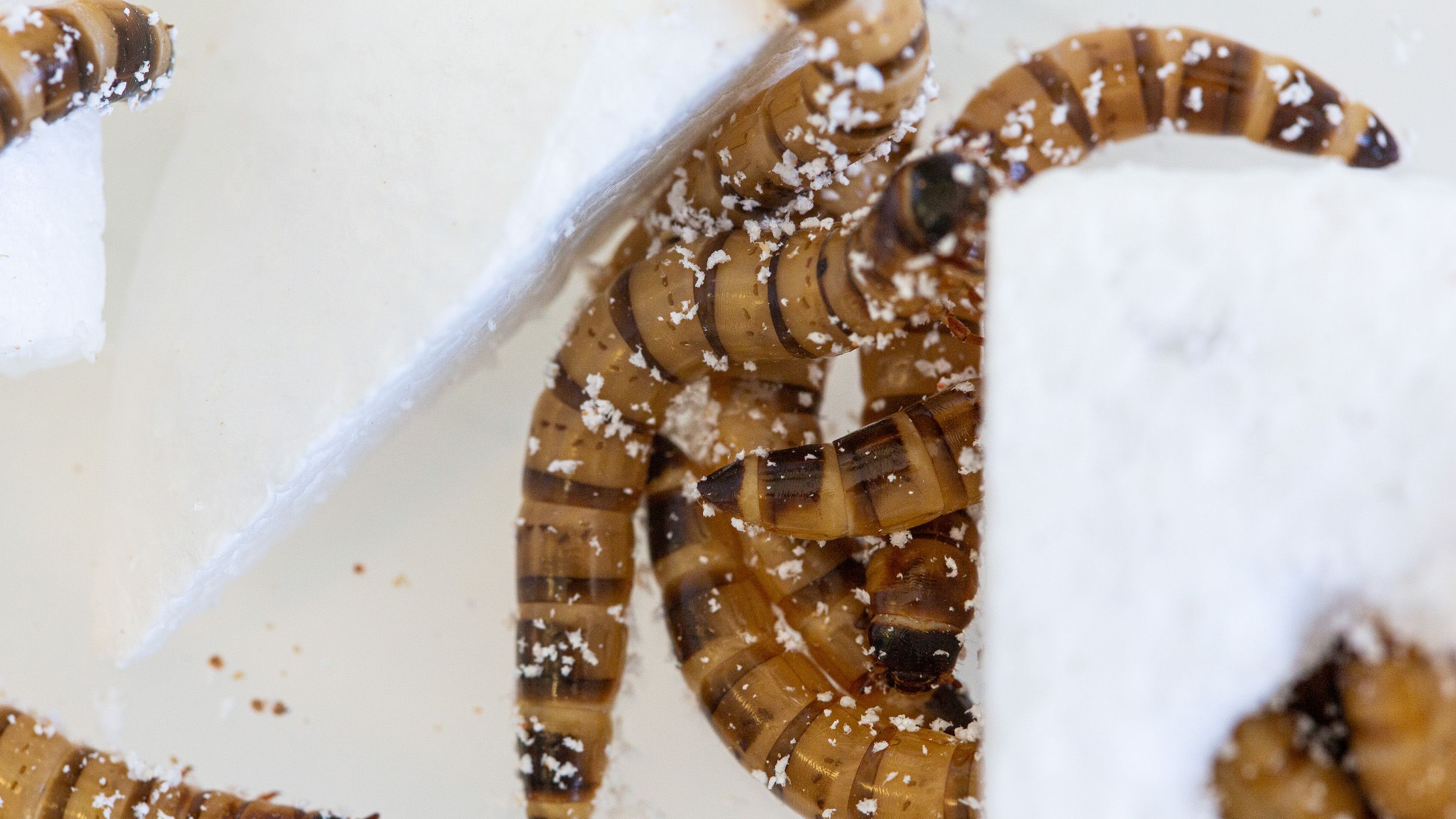
Guess what? Even insects are joining the fight against plastic! A larva named Zophobas morio. These are called as Superworm. These little larvae love to eat polystyrene foam, and they’re really good at it. In just three weeks, they can eat up an impressive 60% of the plastic. Scientists think they do it by using a special enzyme in their stomachs.
It’s hard to understand how these organisms break down plastic. Scientists are studying the enzymes, pathways, and processes they use. Figuring this out is important for making the process better and maybe even creating better plastic-eating organisms or tools inspired by nature.
Making the plastic breakdown process work on a large scale with the help of these organisms is quite hard. Even though labs showed these organisms can do it, making it work for big businesses needs to think about cost, how well it works, and if it’s good for the environment.
As we learn more about these amazing organisms, we see how diverse and strong nature is. These organisms show us that life can adapt and change, even when we create problems like plastic waste. By using these tiny ones, we can make a better future where plastic isn’t a problem anymore. Lets hope for the best!!!
Cheers!
Thank you for reading ♡!
If you found this helpful, please give it a thumbs up and share it with anyone who might find it useful!
If you like what you see and wish to support my work, then
Share your thoughts at the comment section or mail at
randomwhyss[@]gmail[dot]com
Don’t miss out! Get notified about new blog posts straight to your inbox !
(No spam, pinky promise!)


 Random Whys