

In our fast-paced world focusing on sustainability, the paper cup has become an indispensable part of our daily lives. The tea, coffee are usually served in this and even it is used for drinking purposes in events and more. With the ban on the single use plastics across countries, the paper cup got its hype. The paper cup isn’t fully made up of paper but has a thin lining of plastic in it.
#The Anatomy of a Paper Cup
They have two things.
- The paper body: Made from paperboard, a thick paper-based material
- A thin plastic lining: Usually made of polyethylene (PE).
So the paperboard gives the structure and strength whereas the plastic lining (0.5 mm thick) is usually low density polyethylene (LDPE) making it waterproof and prevents leaks. They are mostly used since it is of hydrophobic nature and repels water and creates a barrier between the liquid and paper fibers. It also keeps hot beverages warm and cold drinks cool.
Recent study found that microplastics can be found in the beverages served in these paper cups. It stated that around 25,000 micron-sized (10 µm to 1000 µm) microplastic particles are released into 100 ml of hot liquid (85 – 90 °C) when left in a paper cup for 15 minutes. The plastic film was separated from the paper and exposed to hot water to examine changes in its properties. But the paper also indicated that most of the people consume their beverages within this timeframe. (Not me! I’ve to be extra careful)
#Environmental Concerns
Since they are a combination of paper and plastic, it will be difficult to recycle. As we know, plastic lining takes years to decompose. The paper can be left for decomposition and the thin plastic lining can be decomposed through pyrolysis, catalytic degradation or through microorganisms like fungi and bacteria. We have advanced research on producing plant based plastic lining, nanocellulose or enzyme based decomposition.
#Health concerns
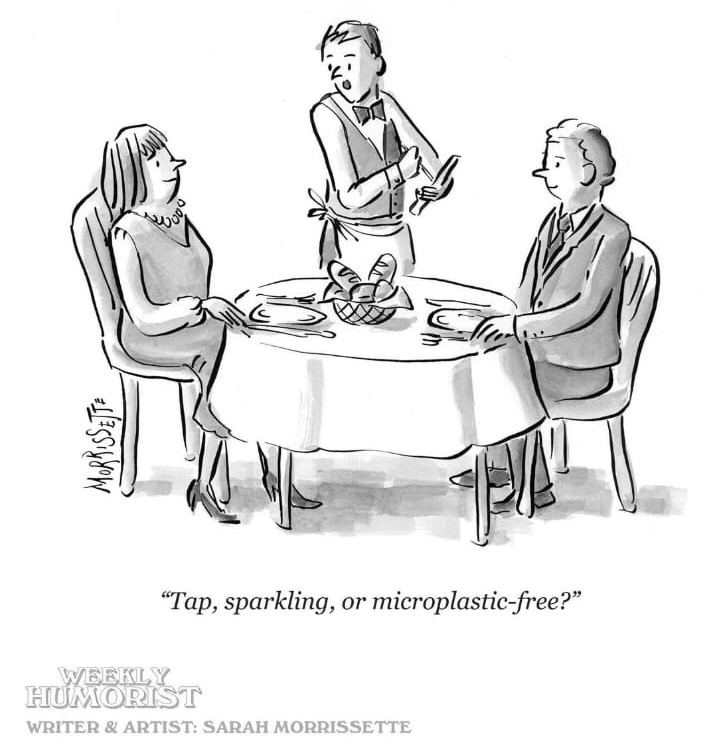
We have seen it across the platform that plastics are everywhere and the microplastics are found in body, blood and even in the mother’s milk. It reminds me of a meme, let me share below. This also includes bioaccumulation. The microplastics can act as carriers for various contaminants such as toxic heavy metals ((e.g., Palladium, Chromium, Cadmium) and organic compounds with hydrophobic properties.
#Alternatives
The first can be done, it is to reduce its usage and opt for alternative solutions like earthen products. Recently, Starbucks announced their new design features with several improvements with a concern to sustainability. They redesigned the tall cups so that the same lid can be shared with grande and venti cups. Plus, the customers in the US and Canada can use their own clean cups for all orders. Yes, they get discounts and bonus stars if they bring their own cups. Let me know if any company has done the same.
The paper cup, it turns out, is not so humble after all. Be cautious on drinking it after 15 minutes. As science continues to advance and innovate, we can look forward to a future where our morning coffee comes in a cup that’s not just a convenience.
Cheers
Check out the others post on Home
Refernce
Ranjan, V. P., Joseph, A., & Goel, S. (2021). Microplastics and other harmful substances released from disposable paper cups into hot water. Journal of Hazardous Materials, 404, 124118. https://doi.org/10.1016/j.jhazmat.2020.124118
Don’t miss out! Get notified about new blog posts straight to your inbox !
(No spam, pinky promise!)
Enter your mail to receive updates


 Random Whys