
I was speaking to an old friend yesterday, and she stressed the importance of exercise and self-health being just as vital as others’s health. This morning, as I was doing some stretches and walking with my dad, I noticed that my mother was in the kitchen cooking breakfast.
While she does go for a walk in the evening, she is always quite occupied in the morning. It struck me that she is sacrificing her health to make sure we have food. This thought kept me occupied for a while. Why questions arose. Later, I attended a webinar on rural women. The webinar exposed me to issues that are often unidentified or not discussed enough.
In India, including rural areas, women’s participation in the workforce is significant, but as I learned from the webinar, the actual returns for their work are very low. I don’t have the exact data, but it’s clear that their efforts don’t translate into fair wages. In fact, their daily wage rates are often lower than the cost of a healthy diet. This economic imbalance makes it hard for them to sustain themselves. Then, where can they invest in their health or personal growth?
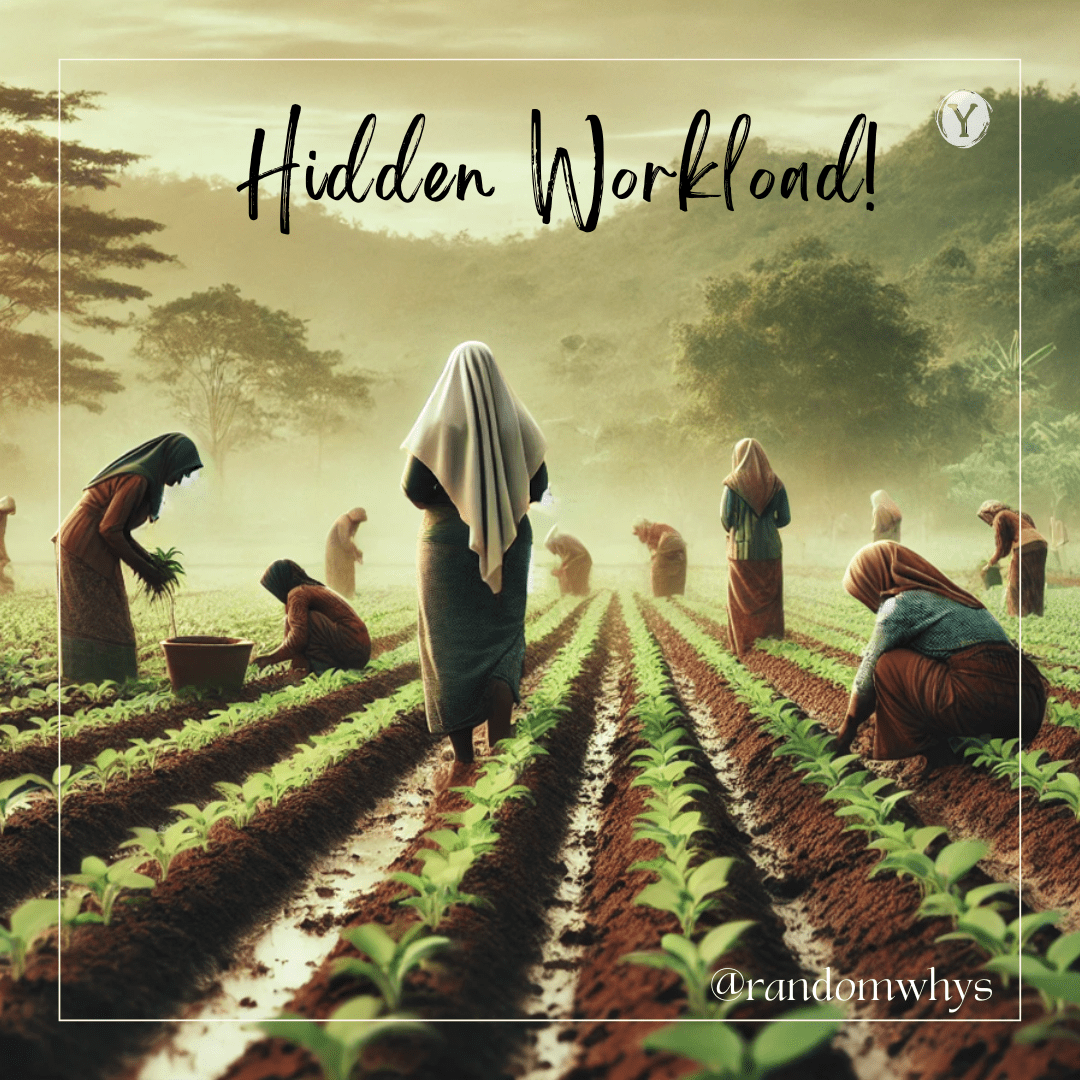
Moreover, the issue of unemployment or underemployment for rural women is a major concern. In rural areas, women mainly work in agriculture, but as farms become more mechanized and seasonable, there are fewer jobs available throughout the year. With fewer agricultural jobs, women have fewer opportunities to earn money and improve their living standards. Even when women do participate in paid labor, the wages are so low that it hardly makes a difference in their financial independence.
This situation reminds me of something I heard in a podcast with Kunal Shah. He mentioned that in China, there’s a strong focus on healthcare that helps reduce the workload on women. China has developed systems that ensure women don’t have to carry the full burden of domestic duties and childcare. Partnership model; let’s explore this later.
Women are also seen as essential contributors to the household’s economic health, and cultural expectations push them toward both work and family duties equally. As a result, rural women in China have higher participation in the workforce, along with better healthcare systems to support their needs. I even recall an audience member from a Western country suggesting something similar during a discussion.
Here, the problem is more deeply rooted. Women’s role in the household is seen as primary, and their work outside the home is secondary. This mindset, combined with low wages and poor job opportunities, keeps many rural women out of formal employment. But can Indian mothers trust others to help raise their children? LOL, NO. Guilt trapping, societal pressure and more.
As I mentioned earlier, my own mother sacrifices her morning time for us, and that’s just one example. In many rural households, women spend hours preparing traditional foods, which often involve time-consuming tasks like soaking grains or grinding spices. While I’ve spoken in favor of sustainable agriculture and crops like millets (written blogs on the same), these traditional foods often take longer to prepare. This adds to women’s domestic burden, making it harder for them to find time for exercise or focus on their health.
The problem exists even at the grassroots level. Rural women are caught between their domestic responsibilities and the need to work for low wages. The result is a cycle where women sacrifice their health, time, and potential for the family, without enough support or recognition.
There is a need for both policy changes and a shift in cultural norms. We need better infrastructure, healthcare, and employment opportunities that value women’s work, both inside and outside the home. As someone who speaks high of sustainable agriculture and climate change awareness, I see the potential for change if we can also recognize the time-consuming nature of tasks and how they burden women.
I feel a mix of emotions. They need thoughtful consideration and different approaches. I’m still working through these ideas and hope to find clearer solutions in the future. In the meantime, I thought to write about it. Just raising awareness about the struggles rural women face and the importance of recognizing their value, both at home and in the workforce.
Happy International Day of Rural Women!
Amazing photos of rural women are taken by Sebastião Salgado. Please check them out!
Cheers
Check out the other posts of Agriculture
If you like what you see and wish to support my work, then
Share your thoughts/suggestion at the comment section or mail at
randomwhyss[@]gmail[dot]com
Don’t miss out! Get notified about new blog posts straight to your inbox !
(No spam, pinky promise!)
Enter your mail to receive updates


 Random Whys