
Disclaimer: Full of spoilers!
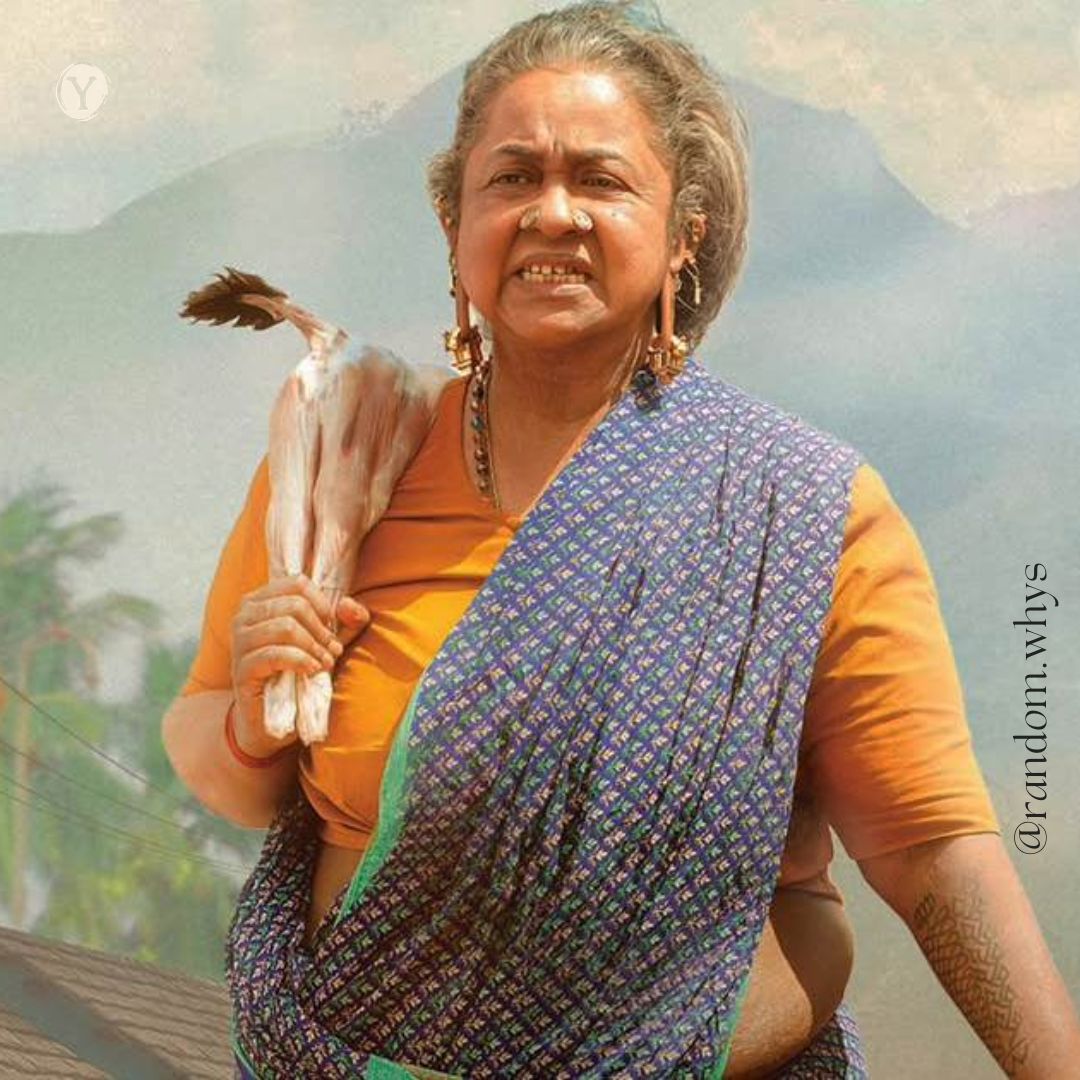
The promotions were pretty heavy for this one. The interviews, the speeches, the protagonist talking at length about what the film is going to be about. Especially the one with Gopinath. Good one. Thaai Kelvi may not be with plot twists, but with the small things.
Yes, the film talks about women’s financial independence. Radhika’s climactic speech makes that explicit. Earn your own money, have your own source, don’t wait for someone to rescue you. Important message, said well. But that’s not what I kept thinking about after the credits.
It was the Sunday ritual that she has in the movie. A woman who holds everything together all week and on Sundays, she watches a film. Alone. Just because she wants to. No guilt, no justification. That one detail quietly carries the film’s deepest argument: that having time for yourself, a space that belongs only to you, is not a luxury. It might actually be the whole point.
Some of the dialogues hit harder than you expect for how short they are. There’s a moment where she talks about how many generations it took for women to even earn the right to education. This one lands like something you’ve always half-known and never quite heard said out loud. The role of her daughter and her calmness.
The film also does something quieter in the background that’s worth noticeable. It doesn’t spell out what happens to a family when a woman is absent, but you feel it. The way society responds to a woman alone versus a woman within a household. It just shows you, and lets you sit with the discomfort.
Some of the slower middle portions reminded me of Ayothi. Same emotional weight around the final stages of life, how people process it, how absence makes you reckon with presence. It didn’t feel slow in a bad way, more like the film was asking you to sit with it.
If I were to nudge the film on one thing the ending. Gold is practical, yes, especially in the current world. But the whole film builds toward one quiet question. Where does a woman actually get to claim a place as her own? Not her parents’ house, not her in-laws’. Just hers.
So ending on Gold. Something she passes on, something that still depends on someone else’s roof. Felt like the film blinked right at the finish line. A piece of land, something immovable, something that says this is mine and I am not leaving would have closed the loop the film itself opened.
Bad Girl actually brought a sharper or closer answer to this the line about how a woman is always treated as a nomad. Never quite allowed to claim a place, stayed with me longer than most things I’ve watched recently. Thaai Kelvi gets close to that truth. Maybe the next one will go all the way.
Still, you can watch it. Especially if you’ve ever felt guilty for wanting something just for yourself.
Cheers
Check out the previous post: #DecodeAgri25: Designer Rice & Movie Reviews
If you like what you see and wish to support my work, then
Share your thoughts/suggestion at the comment section or mail at
randomwhyss[@]gmail[dot]com
Don’t miss out! Get notified about new blog posts straight to your inbox !
(No spam, pinky promise!)
Enter your mail to receive updates


 Random Whys
2 thoughts on “Thaai Kizhavi (2026) Movie Review”