Subscribe to continue reading
Subscribe to get access to the rest of this post and other subscriber-only content.
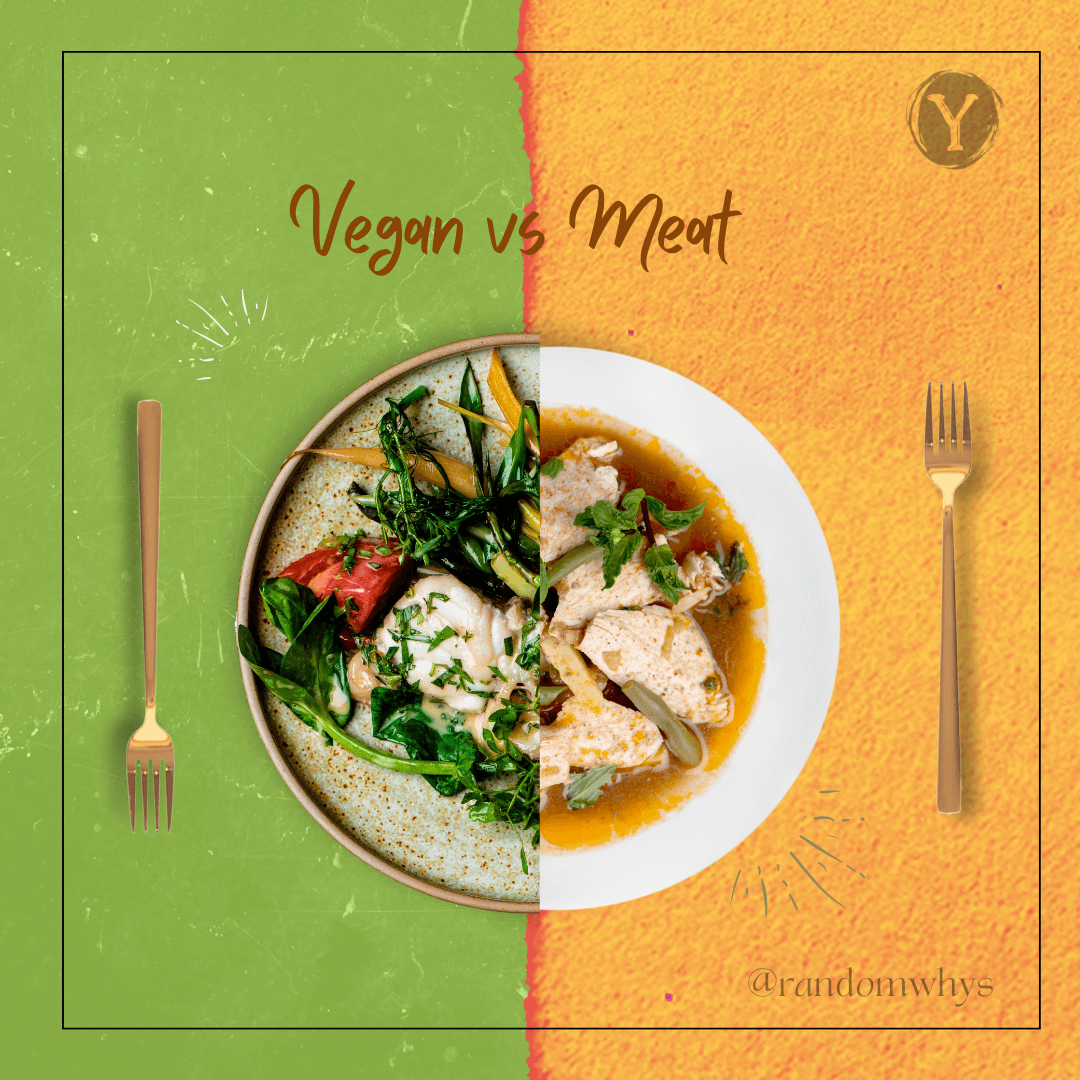
Food—it’s the fuel that keeps us running, the centerpiece of celebrations, and a surprisingly hot topic of debate. For centuries, folks have been arguing about what lands on their plates, with vegetarians, meat lovers, and now vegans, all weighing in with their preferences. But is there a right or wrong answer to this culinary conundrum?
In the food world, there’s a connection between what we eat and how living things depend on each other, forming a food web. It illustrates the passage of energy and nutrients from one living thing to another, emphasizing that our food choices contribute to a broader picture beyond our dinner table.
Now, the reasons for choosing one plate over another are as diverse as the dishes themselves. Vegans often cite ethical concerns, animal welfare being a big one. Plus, plant-based diets are bursting with vitamins, minerals, and dietary fiber, which can lower the risk of some diseases.
Meat eaters, on the other hand, highlight the nutritional punch of protein, iron, and vitamin B12 found in animal products. And let’s not forget the taste! A juicy steak or a perfectly grilled chicken wing can be a symphony of flavors for some, whereas vegans refrain from not only meat but also animal-derived products like dairy, eggs, and honey.
The idea of humans as apex predators, dominating the food chain with our sharp teeth and clever minds, held a certain primal allure. Meat was fuel; it was flavor. But then, reality took a bite. The humans were opportunistic omnivores, relying on plants and fruits as their primary sustenance, only feasting on meat when the opportunity arose. They weren’t slaves to their primal urges, but adaptable beings who made calculated choices based on what was available.
We weren’t simply apex predators, but resourceful omnivores, adapting our diets to the environment and circumstances. This inherent adaptability, I believe, lies at the heart of our evolving relationship with food, and it certainly played a crucial role in my own personal journey.
Sharing my home with a dog, a being capable of such profound love, forced me to confront the disconnect between the animals on my plate and the companions by my side. It wasn’t an overnight epiphany, but a gradual shift in perspective. Exploring the benefits of a plant-based diet and the health benefits of a fiber-rich diet brought a slight change, and meat consumption started to decline.
Of course, this isn’t about judging people. At the end of the day, what fills your plate is like a personal fingerprint, shaped by where you came from, what tickles your taste buds, and even the furry friends in your life. The point is, there’s no universal recipe for the perfect plate. Food choices are a fascinating reflection of our personal journeys; they’re not connected to any religious rules. Some might dig a plant-powered feast, while others find comfort in different dishes. The key is not to point fingers or decide what’s “okay” and what’s not.
The choice of what we eat is deeply personal, and it’s important to respect everyone’s dietary preferences. Whether you choose vegetarian, vegan, meat-lover, or anywhere in between, the key is to be mindful and do our best to make informed choices that align with our values and beliefs.
So, let’s celebrate the diversity on our plates, Bon Appetit!
Cheers!
Enter your email below to receive updates.
The poverty loop is like a maze, with low income leading to health and financial challenges, creating a complex cycle.
Ever heard of the “poverty loop” in Development Economics? It is called the vicious cycle of poverty. It’s like a tricky maze where low income sets off a chain reaction. Less money means fewer savings and demand, leading to a shortage of cash for investments. With a deficit in capital, productivity takes a hit, and we find ourselves back in the realm of low real income. It’s a bit like a never-ending cycle.
But I won’t bore you with the nitty-gritty details. Instead, let’s compare this concept to something more interesting. Life often resembles a complex puzzle where the pieces of our health and finances interlock in intricate ways. This complicated connection forms a challenging cycle, a loop where the ups and downs of one thing can influence and intensify another.
It’s interesting how our life goals evolve as we journey through different ages. In our younger days, passions often shape our aspirations, but there comes a point when a significant shift occurs, and staying healthy takes center stage. Perhaps the seismic events of the COVID era triggered a collective awakening, steering our priorities towards well-being. I’m no exception to this trend. Everywhere you look, even on social media, there’s a surge of people dedicating themselves to health—hitting the gym, embracing fitness routines, and making conscious choices for a healthier lifestyle.
The saying “when health is lost, everything is lost” encapsulates a universal truth: at our core, all we desire is good health. It’s a testament to the growing realization that good health isn’t just a goal; it’s a foundation for a fulfilling and resilient life, especially in a world that constantly reminds us of the importance of wellness.
However, in the complexities of the modern world, maintaining health hasn’t become a singular pursuit, but intricately woven with financial well-being and even the fluctuating prices of groceries. Instead of a straightforward path to well-being, it often feels like navigating a vicious cycle, where the challenges in one aspect loop back and impact the others.
Let’s break it down in a more fun way. Imagine our meals are like those of good people: nutritious foods, proteins, veggies, fruits, and nuts. They’re the ninja squad that keeps our health, especially our gut microbiome, in tip-top shape. This powerhouse crew doesn’t just stop there; they’re the secret agents behind good health, a stronger immune system, mindful sleep and even a happy tummy and mind. Additionally, there is an increase in our productivity, focus, and earning potential.
A key piece is missing from this game or equation: the rising prices of groceries. The cheaper, processed options, loaded with sugar and unhealthy fats, start looking really tempting. and consumption of fast food is prevalent in our daily routines, irrespective of the cost. It’s a bit like choosing a wallet-friendly option that goes for instant noodles over a meal with a couple of veggies or wholesome veggie-packed kichadi. It’s like having to decide between your taste buds and your budget, and sometimes the pocket-friendly choice isn’t the healthiest one.

I’m not here to argue about which food is the absolute best in terms of health or taste because, honestly, it’s all about personal preferences and body conditions. However, this subjective decision-making can set off a troublesome cycle of making not-so-great dietary choices, throwing our gut balance out of whack, and causing additional health issues.
It’s like a domino effect, where every move sets off another and they can unintentionally guide us towards less healthy choices, creating a cycle that just keeps on going.
Breaking this cycle is not a one-and-done task; it’s more of a journey. The first step is recognizing how health, finances, and gut health are all interconnected, it’s like untangling a complex web. This requires personal commitment, teamwork, and a steady focus on both health and financial stability. It’s all about the journey towards a healthier and wealthier tomorrow.
Cheers
Enter your email below to receive updates.
The blog post reflects on understanding gender diversity, acknowledging evolving perspectives, and embracing inclusivity, portraying a journey of learning and acceptance.
Lately, I’ve been reflecting on this blog post, finding it a bit challenging to articulate my thoughts. The topic is a bit unclear in my mind, and I believe putting it into words might provide some clarity and help me see the bigger picture.
The comprehension and identification of gender prove to be intricate and demanding. I find myself unsure about the suitable terms, considering the diversity that exists. Several key factors come into play, including variations in chromosomes, sex organs, hormones, physiology, and environmental influences. Collectively, these elements determine an individual’s gender identity, challenging the notion of defining someone solely based on their birth.
Truth be told, my understanding of gender diversity was confined to the binary until a decade ago, when I first stumbled upon the concept of transgender. Initially, I hesitated to engage in conversations, perhaps fearing my lack of comprehension and falling short of acknowledging their shared humanity. Even though I follow various individuals from the transgender community online, I’ve come to realize that truly grasping their feelings still feels out of reach to me.
It’s important to remember that we can’t fully understand someone unless we try to see things from their perspective. This is especially true for transgender individuals who experience the world in a way that differs from our own. Over the past decade, there has been a growing awareness and acceptance of the transgender community.
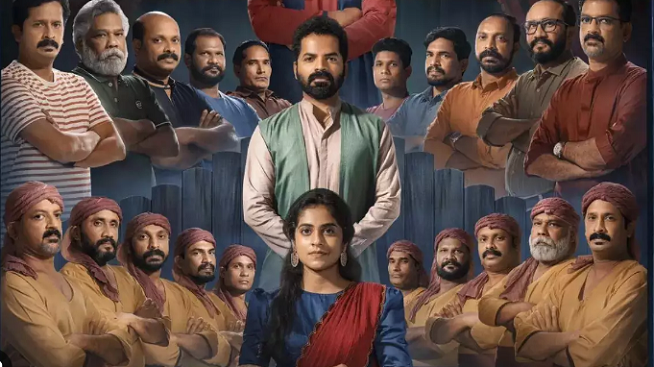
Recently, in my pursuit of understanding, I’ve immersed myself in movies and series that portray diverse experiences, including “Sex Education,” “Super Deluxe,” “Made in Heaven,” and “Kaathal the Core, etc.” Across these narratives, a common thread emerges—the portrayed characters are struggling to comprehend and define their own identities.
These movies and series are helping me to break down barriers and help in understanding; however, there is still a long way to go. And also, in the realm of LGBTQ+ rights, certain countries have made substantial progress, embracing change and inclusivity. However, it’s crucial to acknowledge that the landscape for LGBTQ+ individuals can differ significantly, even within a single country.
In India, where same-sex marriage is not yet legal, cultural influences play a significant role in shaping social attitudes. As I watch these films and series, I wonder if the emotions portrayed represent feelings that have been suppressed for generations.
Perhaps it will take a considerable amount of time for the acceptance and legalization of differences in certain places. Especially when there are already challenges to accepting heterosexual unions from different religions, introducing same-sex relationships into the equation may face even greater hurdles. The journey toward acceptance is undoubtedly complex and may require patience and persistent efforts. It leaves me wondering how many individuals like Matthew are out there—not just in India but worldwide.
I’m not here to pass judgment or criticize anyone; rather, I’m grateful for the opportunity to learn more about diverse experiences and perspectives. Perhaps having friends like Eric or Fabiola would provide me with a deeper understanding and insight into these experiences. It has challenged my assumptions, broadened my perspective, and ignited a passion for learning and understanding. While the journey continues, I am committed to embracing open-mindedness and actively contributing to a world that celebrates diversity and inclusivity.
Cheers!
Check out the other movies
If you like what you see and wish to support my work, then
Share your thoughts/suggestion at the comment section or mail at
randomwhyss[@]gmail[dot]com
Don’t miss out! Get notified about new blog posts straight to your inbox !
(No spam, pinky promise!)
Enter your mail to receive updates
Envy, often referred to as the green-eyed monster, is a universal emotion that everyone of us experiences at some point in our lives. It can manifest in various forms, from longing for someone else’s success to coveting their possessions.
Jealousy often comes from what’s going on around us. Thanks to social media, everyone picks and shares only the best stuff, including us. It’s all about the perfect filtered pictures, but the behind-the-scenes moments are kept secret. What we see might not be the whole story, just the parts people want us to see.
Envy often kicks in when we measure ourselves against others, creating a feeling of inadequacy. It’s essential to recognize that feeling envious is a normal part of being human. Digging into the hormonal side of this emotion revealed a complex process. Factors like low oxytocin, serotonin, dopamine, or elevated cortisol levels play a role in shaping our experience of envy. Understanding these aspects can shed light on the intricate nature of this emotion.
At times, envy acts like a mirror, showing us our wants and ambitions. By pinpointing what triggers envy, we gain insights into our values and goals, helping us better understand ourselves.
To be honest, I’ve experienced this emotion at different points in my life, and it often translated into anger. I used to push those feelings down without reflecting on them. It’s tough to admit out loud that I’ve been jealous of various people at different times.
There are times when we’re only conscious of our problems and oblivious to others’. Everyone faces their own challenges, but not everyone discusses them openly, especially until you become close to them. Realizing this makes me less envious. A book that really opened my eyes to this perspective was “The Almanack of Naval Ravikant.” I read a particular passage three times to let it sink in, and I find myself revisiting it whenever needed.
“Jealousy was a very hard emotion for me to overcome. When I was young, I had a lot of jealousy. By and by, I learned to get rid of it. It still crops up every now and then. It’s such a poisonous emotion because, at the end of the day, you’re no better off with jealousy. You’re unhappier, and the person you’re jealous of is still successful or good-looking or whatever they are.
One day, I realized with all these people I was jealous of, I couldn’t just choose little aspects of their life. I couldn’t say I want his body, I want her money, I want his personality. You have to be that person. Do you want to actually be that person with all of their reactions, their desires, their family, their happiness level, their outlook on life, their self-image? If you’re not willing to do a wholesale, 24/7, 100% swap with who that person is, then there is no point in being jealous.
Once I came to that realization, jealousy faded away because I don’t want to be anybody else. I’m perfectly happy being me.”
This was a huge help to me in understanding the roots of difficult emotions and getting over them. By recognizing when envy is present and shifting focus to self-improvement and gratitude, we can handle this challenging emotion with grace. It’s essential to embrace our uniqueness, celebrate our successes, and always remember that our life’s journey is personal and distinct to each of us.
Cheers!
PS: Nandrigal to Naval
I do send out my posts to very few people. Join my mailing list if you enjoy what you read.
Humans and dogs share a remarkable history of parallel evolution, shaping each other’s lives through teamwork, adaptability, and emotional connection.
The connection between humans and dogs has held up over time, giving us a cool example of parallel evolution. This awesome partnership, a mix of living and working side by side, hasn’t just changed how we and dogs appear. It’s also left a lasting mark on how we hang out, talk, and connect emotionally. As we dig into the story of how humans and dogs evolved together, we find a tale of both species adjusting to each other and rocking it together, marked by some big moments in our shared adventure.
Our story begins with the domestication of dogs, a significant process kicked off by early humans thousands of years ago. This mutually beneficial partnership brought advantages to both sides. Dogs became our loyal companions, hunting allies, and reliable guardians, enhancing our well-being. At the same time, we gained trustworthy companions, access to new hunting techniques, and increased security. This initial teamwork set the stage for the parallel evolution that has characterized our interdependent relationship throughout the ages.
The inquiry into the mutual domestication of humans and dogs has been a source of fascination for scientists, historians, and us for quite some time. While a definitive answer remains unknown, abundant evidence suggests a complex interplay between human selection and the self-domestication tendencies of wolves. Archaeological discoveries, dating back around 15,000 years, reveal the earliest signs of interactions between humans and dogs, offering intriguing insights into the origins of this extraordinary partnership.
Genetic studies lend further credence to the concept of coevolution, uncovering significant genetic changes in dogs since their divergence from wolves. These changes, including the reduction in tooth size, diminished aggression, and enhanced social cognition, closely mirror the traits favored by humans during the domestication process. Moreover, the impressive ability of dogs to understand human emotions, respond to commands, and anticipate needs acts as additional evidence of their coevolutionary adaptation to human society.
Certainly, humans played a crucial role in shaping dogs into the domesticated companions we know today. However, it’s crucial to recognize that wolves weren’t just passive observers in their own domestication. Their inherent social nature, opportunistic scavenging behavior, and ability to adapt to various environments likely played pivotal roles in their willingness to associate with humans. Over time, those wolves showing more tolerance of human presence and possessing traits beneficial to humans would have had a selective advantage, contributing to the gradual emergence of domesticated dogs.
A fascinating facet of parallel evolution is the simultaneous development of digestive adaptations in both humans and dogs. As humans transitioned from hunter-gatherer lifestyles to settled agricultural communities, their diets naturally expanded. Concurrently, dogs, deeply integrated into human societies, underwent adaptations, gaining the ability to digest a broader range of foods. Also, the social structures have strengthened the interdependence between humans and dogs, laying the groundwork for the profound companionship that defines our relationship today.
Communication stands as a fundamental pillar of any successful relationship, and the interaction between us and dogs is no exception. Dogs have refined their ability to interpret our gestures, facial expressions, and vocal cues. Likewise, we have developed their skill in understanding the nuanced language conveyed through barks, tail wags, and body postures, creating a silent yet profound connection that transcends the limitations of language.
Dogs have seamlessly integrated into various roles within our societies, showcasing remarkable versatility and adaptability. From herding livestock to safeguarding our homes and, in more recent times, serving as guide dogs, therapy animals, and search-and-rescue companions, dogs have consistently demonstrated their enthusiasm to collaborate with us. This cooperative spirit has emerged as a compelling force propelling the parallel evolution of both species as we collectively navigate the complexities of our shared journey.
Dogs, shaped by domestication and selective breeding, have developed intelligence that aligns with our needs. This shared cognitive landscape has streamlined training processes, enabling dogs to comprehend and respond effectively to our commands. The problem-solving abilities have heightened the collaborative essence of the human-dog relationship, highlighting the adaptability that defines our symbiotic connection.
Next is the cultivation of a deep emotional connection. Both species exhibit a capacity for empathy, forming profound emotional bonds that transcend the limitations of language. The loyalty and companionship offered by dogs have played a substantial role in enhancing our emotional well-being throughout history, creating a connection that goes beyond mere utility. This emotional bond forms the core of our enduring relationship, and they remain with us, becoming an integral part of our home.
Alright, wrapping it up, the story of how we and dogs evolved together is like this super cool tapestry of teamwork, adaptability, and shared wins. From the early days of turning wolves into our four-legged buddies to the awesome jobs dogs have today, it’s a tale that shows how we and dogs can roll with the punches. It’s a reminder of how strong and awesome our connection with other species can be, teaching us about teamwork and how it affects our own evolution. Even though they have a relatively short lifespan, let’s cherish and care for them with all our hearts.
Cheers!
PS: No offense to Cat people
Enter your email below to receive updates
This reflection explores the tension between attachment and authenticity, essential for relationships. Balancing both needs is key for connection.
Hold on, it’s not related to “Ace” or any offensive language. These are a pair of terms that have perplexed me at various junctures, and they continue to do so. I’m uncertain if it’s a paradox or whether I can achieve harmony between them.
The initial term in this discussion is “attachment,” and its roots can be traced back to Latin. Originating from the verb “attachare,” it signifies “to fasten or join.” Upon delving into the word “attachment,” I encountered various definitions, with its prevalence notably rising after the advent of attachment theory.
According to attachment theory, formulated by John Bowlby, attachment is characterized as an enduring psychological connection between human beings. It emphasizes the essential need to fit into social groups. These connections provide safety, support, and emotional fulfillment, fostering resilience and aiding in stress navigation.
The second concept under consideration is “authenticity.” The term “authenticity” finds its roots in the Greek word “authentikos,” signifying “original” or “genuine.” The Greek root “authentes” implies “one acting on one’s own authority” or “one who does things for himself.
There are a lot of definitions of authenticity. Jean-Paul Sartre posited that authenticity entails taking responsibility for one’s choices and actions and aligning one’s life with personal values and beliefs. In contemporary discourse, authenticity is frequently linked with staying true to oneself, upholding integrity, and openly expressing genuine thoughts and emotions.
Authenticity calls for the honest expression of one’s true self, rooted in personal values and beliefs. On the other hand, attachment centers on the emotional ties formed between people, highlighting the need for safety and intimacy. While authenticity encourages individuality and self-expression, attachment highlights the interdependence and shared emotional spaces within relationships.
Have you ever felt like you couldn’t be yourself in a relationship? Like you had to hide your true thoughts and feelings in order to belong? That’s the conflict between attachment and authenticity. Attachment is our need for security and connection, while authenticity is about being true to ourselves. These two needs can sometimes be at odds with each other, but they are both essential for healthy relationships.
In many situations, things get kind of confusing, right? We end up wondering how we should act. We nod along with everyone, especially those craving attention or a sense of belonging. But then, expressing ourselves? It’s like, Will they stick around, or am I going to get ditched? Will they still like me? You notice the ones who speak their minds, stand firm on their opinions, and set clear boundaries? Yeah, they usually roll with a smaller crew. It’s that whole deal of balancing between fitting in and staying true to yourself that shapes our connections, making them more real and all.
In Gabor Maté’s enlightening book, “The Myths of Normal,” he delves into the extremes we encounter. Emphasizing the pivotal role of attachment in the early stages of life, the narrative unfolds with a consideration of how our physiological makeup adapts to these fundamental connections. There was an amazing quote that was mentioned in the book.
“The onset of inauthenticity may be not be a choice, but with self-awareness and self-compassion, authenticity can be.”
We’ll dig into self-awareness later. Now, here’s the juicy part: authenticity happens when you’ve got solid, genuine connections. Being open and real builds these emotional bonds that make you feel safe. These bonds act like a safety net, letting you be your true self. It’s where authenticity converges with emotional attachment, forming relationships that are profoundly deep and emotionally satisfying. Sure, some folks might stick around, and others might bounce. In the end, what I’m getting at is that attachments are key at first, but as time goes on, finding your true self becomes the real deal.
Cheers!
PS: Happy Diwali ✨!
Enter your email below to receive updates
In the world of Korean drama, Park Hae-young’s works stand out for realistic storytelling and complex character development, captivating viewers.
(19 words)
In the world of Korean drama, not every story is meant for everyone. If you’re not a dedicated K-Drama fan, you might not understand the unique charm of series like those written by Park Hae-young. Once upon a time, I used to watch dramas solely for the leads, especially if they included names like Lee Min Ho, Song Joong Ki, Park Hye-shin, or Park Seo Joon, no matter how cringe-worthy or tedious the plot seemed. If I started a series, I felt compelled to see it through to the end. However, things have changed for me in recent years.
Nowadays, my choice of K-dramas is no longer solely based on the star-studded cast. Instead, I pay closer attention to the writers, their previous works, reviews, and scripts. People often rave about J.K. Rowling’s Harry Potter series, but I must confess that I haven’t watched the movies or read the books. This marks the first time I find myself actively seeking out shows written by Park Hae-young.
It all began with “Liberation Notes,” followed by “My Mister” and “Another Miss Oh.” Park Hae-young has also co-authored a few movies that I’m yet to explore. When you delve into her creations, you’ll notice a few remarkable elements that set her work apart. Most of my childhood was filled with movies where the focus was primarily on the early days of love and the happier stages of life. If the lead characters encountered any hardship or struggle, it was typically resolved with a short, uplifting song or a “happily ever after” ending. Park Hae-young’s works, however, take a different path.
Here are a few things I’ve observed in her storytelling:
#Realistic Portrayal of Life: In contrast to numerous K-Dramas, Park Hae-young’s narratives explore the everyday facets of life. Her stories are more inclined to address common challenges like financial troubles or relationship issues rather than embarking on world-saving missions or battling against evil forces. This approach lends her dramas a sense of grounding and authenticity that sets them apart. What truly stands out is her ability to depict hardships, ordinary moments, and even tough times in a way that feels remarkably genuine and skillfully nuanced.
#Complex Character Development: Park Hae-young has a remarkable talent for creating characters with layers and depth. The way she depicts the main characters dealing with emotions like grief, guilt, shame, and their personal struggles is truly outstanding. These characters are not one-dimensional; they evolve and grow throughout the series, which keeps you captivated and emotionally invested in their journey.
#Capturing Life’s Everyday Rhythms: Her characters are not caught up in grand adventures or epic quests, but rather, they navigate the routines and rituals that most of us experience in our own lives. Going to work, doing household chores, and carrying out daily tasks take center stage in her dramas, bringing a sense of relatability and authenticity that is often missing in more fantastical narratives. One noteworthy element in her dramas is the choice of soundtracks that accompany these everyday moments.
#Exploring the Concept of Worship: One of the fascinating aspects of Park Hae-young’s work is her exploration of the concept of “worship.” In two of her dramas, Park Hae-young introduces the role of worship, where one character worships another. This concept adds depth and complexity to the relationships portrayed in her stories. It’s not about traditional worship but rather an intense admiration, respect, or emotional connection that goes beyond the ordinary.
Her works are filled with depth, and I feel the need to revisit them for a better understanding. While I currently rely on English subtitles to follow the story, it would be a great experience to have access to the original scripts, allowing for a deeper insight into her storytelling. Her ability to eloquently convey complex themes through words is truly remarkable, and of course, the actors’ performances play a significant role in bringing her vision to life.
It’s surprising that she’s not on social media or doing online interviews. But I’m glad there’s a Wikipedia page about her. I’m really looking forward to her future projects.
Cheers!
Check out the previous post: Movie Reviews
If you like what you see and wish to support my work, then
Share your thoughts/suggestion at the comment section or mail at
randomwhyss[@]gmail[dot]com
Don’t miss out! Get notified about new blog posts straight to your inbox !
(No spam, pinky promise!)
Enter your mail to receive updates
Subscribe to get access to the rest of this post and other subscriber-only content.
Language is a key part of how we humans connect with each other, influencing our past and present. It’s a sophisticated dance of sounds, words, and grammar that lets us pour out our thoughts, emotions, and desires. Absolutely, language is far from static; it’s an ever-evolving and dynamic system. New words like “delulu” and “solulu” keep popping up, showing how language is constantly on the move!
It molds our perception of the world, as individuals who speak different languages may perceive and interpret aspects like color differently, demonstrating the influence of language on our worldview. Second of all, language is an essential tool for thought, enabling us to process experiences, formulate plans, solve problems, and shape our relationships, fostering understanding and connection.
Beyond these aspects, language molds social identity, political beliefs, humor, and creativity, underpinning our sense of belonging, political expression, sense of humor, and creative endeavors.
In addition to shaping our perception of the world, language also plays a unique role in human communication. This distinctiveness lies in the symbolic and generative nature of human language, setting it apart from the communication methods of animals. Ours is symbolic, empowering us to convey abstract concepts and things that aren’t physically before us.
In contrast, animals predominantly utilize their communication to relate events to the present moment. It also gives us the ability to craft new sentences and express innovative ideas, whereas animals typically rely on fixed sets of vocalizations (try whales vocals and sounds; they are so relaxing).
Across the globe, there are approximately 7,139 living languages that people use for communication. Of course, the most widely spoken is Mandarin Chinese, and although I can only recall a few Chinese words due to some binge-watching (like “对不起” for “sorry ” and “谢谢” for “thanks”), my fluency is quite limited. Shifting our focus back to India, we find a rich linguistic landscape with roughly 121 languages spoken throughout the nation.
The influence of language also extends to the digital sphere, where social media platforms have changed the way we communicate. To tell our stories, we can use text, pictures, videos, and links. Thanks to tools like hashtags, this makes it easier for us to connect with a wide range of people, including our friends, family, and even strangers. We can interact with people from various backgrounds and cultures and exchange information because it is a global phenomenon.
Also, it’s great for keeping us informed and connected globally about what’s happening in real-time, such as current events and news. According to a 2022 Statista report, English is the language of 58.8% of all internet content, followed by Russian (5.3%), Spanish (4.3%), French (3.7%), German (3.3%), and Chinese (2.8%).
Although some languages dominate internet content, the inherent limitations of language can make it difficult for us to fully express our experiences and ideas. Even though our brains are complex and we have many languages to choose from, every place is filled with content.
I recently watched a movie called “Irugapatru,” and it showed how misunderstandings can also happen when people don’t communicate well. This isn’t just about personal relationships; it’s also about having trouble expressing our thoughts in general. The limitations of language often make it challenging to express our profound emotions. I’m uncertain if the words I’ve chosen truly convey my intended message. did it?
Cheers
PS: Envy of Tamil writers!
I do send out my posts to very few people. Join my mailing list if you enjoy what you read.
Subscribe to get access to the rest of this post and other subscriber-only content.
Belief, a fundamental aspect of human existence, possesses the ability to shape our perspectives, guide our actions, and exert significant influence over the important decisions we encounter. This potent force can spark remarkable accomplishments, transform societies, and drive individuals towards the pursuit of their dreams and goals. Across history, belief systems have played a pivotal role in molding entire civilizations and igniting revolutions that have fundamentally altered the fabric of society.
Intriguingly, belief, as a powerful force that can shape our perspectives and actions, extends beyond the broader cultural context. It can also influence our personal beliefs and behaviors. This notion became apparent to me when I reflected on my own upbringing and the strong convictions I once held about how a girl should behave.
Things like covering yourself up, not speaking too loudly, smiling but not laughing too loudly, and being gentle, subtle, and kind. These ideas have been ingrained in us since we were kids, maybe even from birth. It’s like they found a way to program these words into every part of us. People seemed to like our behavior when we followed these rules, and maybe that’s why I’m still trying to live up to them, almost like being conditioned like a dog (haha). I’m not blaming my mom or feeling sorry for her; she grew up with these expectations too.
One sunny afternoon, my mom and I ended up chatting about how cultures change over time. We couldn’t use any gadgets because there was no electricity and the Wi-Fi was down, so we decided to pass the time by having a good old-fashioned conversation. During our chat, my mom shared a story from her childhood that involved my grandmother.
My grandma really stuck to her traditions, and you could see it in the way she did things. She never wore pajamas; she always wore sarees. Plus, she followed this rule: she’d never sit directly in front of my grandpa or my dad. That came from an old belief that it’s impolite for a woman to sit that way in front of a man. Maybe because of her upbringing.
As I reflected on my grandmother’s steadfast dedication to tradition, it made me wonder about the lasting impact of these deeply rooted beliefs, not just on my own outlook but on society as a whole. This train of thought gained more depth when I stumbled upon a comedian’s amusing perspective on women’s roles. He highlighted the challenges faced by women striving for financial independence while also managing household responsibilities. It raised questions about the evolving dynamics of gender expectations, especially for women who juggle work and home life.
It feels like almost every part of me has been trained to act like a well-behaved person, being polite and gentle in my behavior. That’s the advice we’ve been given as we grew up. It got me thinking: why do the women have to carry both loads in their baskets when they have an option? isn’t a right? It’s interesting to see how it’s influenced me to ask the above. (LOL)
On the other hand, let’s set aside the gender aspect for a moment. Whether it’s work, running a business, household chores, or any challenge someone is facing, isn’t it a kinder and more humane approach to lend a helping hand instead of making fun of them?
As I laughed along with the comedian’s clever jokes, it sparked a deeper contemplation about the wider societal consequences of gender roles. This change in perspective naturally directs our attention to the important issue of women’s involvement in the workforce and the difficulties they frequently encounter when trying to manage both their careers and household duties.
The podcast with Ranveer Allahbadia and Kunal Shah, or the latest Global Fintech Meet, Kunal mentions women’s participation in the workforce and their importance in the economy, and when you look at the data, it’s clear that India lags far behind even its neighboring countries in this regard.
According to the World Bank, women’s participation in the workforce in India is around 21.1%. However, when we look at data from the Periodic Labour Force Survey (PLFS) conducted by the National Sample Survey Office (NSSO), it’s slightly higher at 32.8%. These numbers may seem different, but it’s because they use different methods to calculate the rates.
When we compare India’s women’s workforce participation to other countries, it’s lower. For example, the United States has a participation rate of 57.5%, Canada is at 59.8%, China is at 46.1%, Japan is at 45.3%, South Korea is at 51.6%, Australia is at 60.7%, Bangladesh is at 25.4%, Pakistan is at 21.4%, and Thailand is at 47.7%.
As we examine the stark disparities in workforce participation rates between countries, it becomes evident that these numbers encapsulate complex societal dynamics. Yet, it’s not just about statistics; it’s about the broader implications for gender roles and societal progress. The number of women in top leadership positions, whether as CEOs or starting their own businesses, is relatively low in India.
I’ve noticed the same thing when watching series and movies from different countries. The way women are portrayed can vary quite a bit, and it’s interesting to see those cultural differences. They have access to day care which create more opportunities, It makes you wonder about the future, especially when it comes to women’s roles in the workforce.
Encouraging more women to join the workforce isn’t straightforward because cultural expectations around marriage, appearance, and raising children often take precedence. Even women who work often do so out of financial necessity rather than personal choice.
It’s not about jinxing it, but rather about considering the changing dynamics and what that might mean for society. As we move forward in this ever-changing world, we have the ability to question, reshape, and lift each other up. By recognizing how our beliefs, whether personal or shaped by society, affect us and by being kind and working together, we can create a fairer and more caring world. Belief should set us free, not hold us back, opening doors for everyone to succeed and be happy, no matter who they are or where they come from.
Cheers
PS: It’s a rant!
Enter your email below to receive updates.
Life’s unpredictability is what makes it a fascinating journey, filled with unexpected twists and turns. As we journey through our lives, it becomes increasingly evident that not every day will be a masterpiece. Some days are just average, while others seem to be downright challenging. There are days when you yearn for the simplicity of a carefree existence, akin to a dog, a cat, or even a cow grazing peacefully on the grass. On some occasions, you find yourself simply counting down the hours, waiting for the day to come to a close.
Yet, amidst this rollercoaster of experiences, there are those days that feel like you’re floating on cloud nine, days when life seems like a captivating story, and days when you can’t help but feel proud to be part of the human race. There is no foolproof formula or crystal ball that can predict how each day will unfold. You may have preconceived notions about how it will play out, but reality often surprises us with its beauty or challenges.
I used to be incredibly naive and innocent, believing that the days ahead would always be filled with unending happiness. However, as reality sets in, you come to realize that true happiness may only grace you for a few minutes or perhaps a bit longer during the day. One of my all-time favorite KDramas, “Liberation Notes” (a slice of life), features a poignant moment when the lead character shares,

In the past, I had the impression that she wasn’t experiencing much happiness, possibly due to the challenges of her work, and I couldn’t help but find it amusing. However, with time, I came to understand that these little moments that bring us joy are the very essence of what makes each of us and our days unique.
During my journey of figuring things out, I stumbled upon something pretty cool—the way our brains work, especially with this thing called dopamine. Learning about this not only helped me make sense of why our moods can be all over the place but also why even on really hard days, there can be moments that make us unexpectedly happy.
I’m an avid listener, especially when it comes to individuals like Dr. Andrew Huberman. He’s an outstanding expert who generously shares his profound insights on a wide range of topics, including neurology, the brain, sleep, hormones, etc. I remember tuning in to one of his podcasts dedicated to the intricate world of dopamine.
When something enjoyable happens, like having a delicious meal or winning a game, your brain releases dopamine, which makes you feel happy and motivated. But here’s the catch: after this burst of happiness, your brain needs to return to its normal mood level, like a seesaw going back to a balanced position. This return to normal is what we call the “dopamine crash. It’s when you might feel a bit down or less excited after the fun experience ends.
This is entirely normal and happens because our brains are designed to maintain balance. Over time, if we have too many intense “ups” with lots of dopamine, our brain can get used to it, and we might need even more excitement to feel the same happiness. So, remember, ups and downs are a part of life, and our brains are pretty good at handling them.

After listening those podcast and reading stuff, I had a bit of a moment that explained why sometimes, after a truly shitty day (yes, the kind that makes you laugh), I end up feeling surprisingly good. It turns out our emotions are quite a puppet show, orchestrated by some brain chemicals like dopamine, serotonin, cortisol, etc. These days, I’ve ditched the habit of labeling them as “good” or “bad. Instead, I see them as just… well, days. No judgments, no labels—just days, plain and simple.
I’m wrapping up this article with a beautiful Tamil verse by Yathiri, and the highlighted word adds up to the original one.
எல்லா நாட்களுக்கும் (உறவுக்கும்) ஏதாவது பெயர் வைத்தே ஆகவேண்டுமா என்ன ? சும்மா விடேன். அதன்போக்கில் இருந்துவிட்டுப் போகட்டும். -யாத்திரி
Cheers!
PS: Experimenting with Color palette & Gradients
I do send out my posts to very few people. Join my mailing list if you enjoy what you read.