Many struggle with dwindling attention spans due to excessive social media use. Reading can help improve focus and creativity.
3–4 minutes
Anyone else ever get sucked into a social media black hole? You spend what feels like hours consuming content, but you can’t recall a single detail afterwards. It’s hard to deny the difference after spending too long scrolling. Maybe you’ve experienced it too, or maybe not. But I just wanted to bring up something that might resonate with many of you.
We’ve all noticed how our attention spans seem to be dwindling, right? It’s a constant battle for our attention. Everyone is vying for our attention. Working so hard to snag our attention in just a few seconds.
Think about it: When you’re mindlessly scrolling, how long does it take to swipe to the next thing? About 7 or 8 seconds, right? And if it really catches your interest, maybe you’ll watch for about 30 seconds. But let’s be real for a second. How many IG reels or YT shorts actually hold our attention for more than a couple of minutes? Very few!
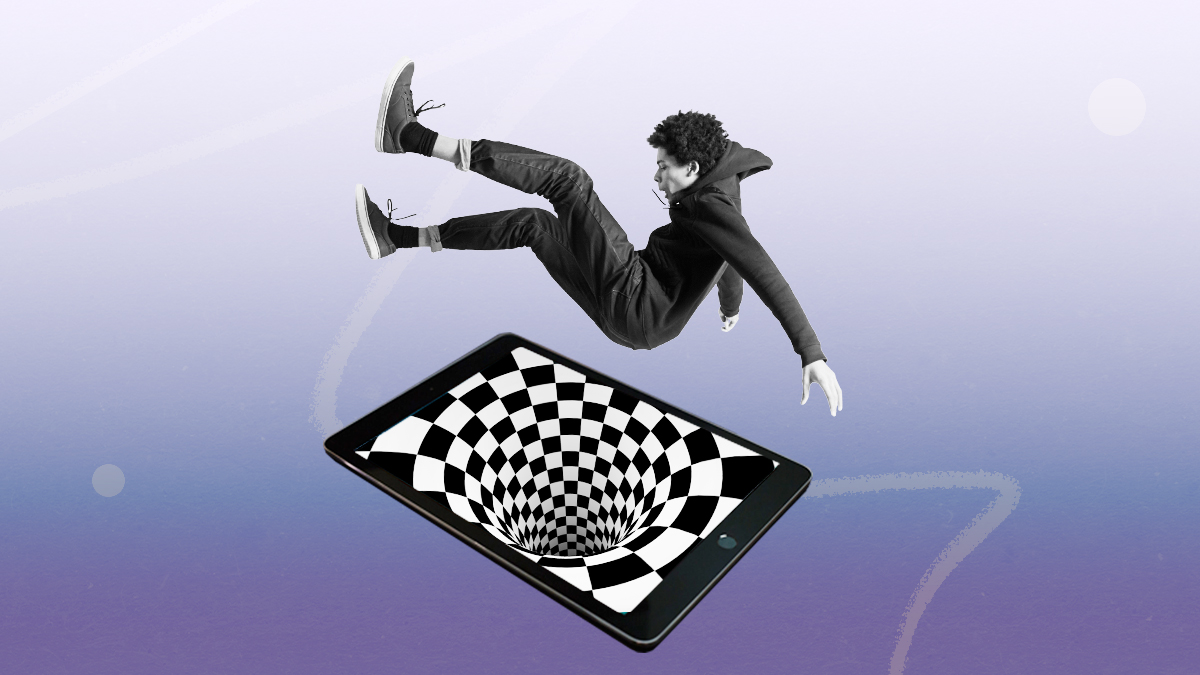
Defying the constraints of the virtual world, one leap into infinite possibilities.
Those things loads us with heck of an information. But how much of it actually sticks? In those first 15 seconds, you’re hit with a wave of content, and then it’s onto the next thing. Thanks to algorithms, it’s all random, making it hard to remember what you’ve seen.
Last week, I found myself in this exact situation. Stuck in a mindless scrolling loop on Instagram? Sure, I saw some interesting stuff too. Marketing tips, ocean clean-up efforts, even a TED Talk snippet and many more. But none of it truly stuck.
Scrolling isn’t bad either, but it can affect your ability to recollect information. So scroll, when you have to kill the time with something.
So, I decided to change things up and reintroduce a habit: reading before bed. Maybe it was inspired by a movie (Perfect Days) I watched or just a desire to reignite my love for books.
Either way, I picked up a book I’d read before and committed to reading for 15 to 20 minutes each night.
Lose yourself in the pages of a captivating book amidst nature’s serene beauty.
Even then, distractions crept in. It wasn’t perfect. The urge to jump on Twitter or research something mentioned in the book was strong. But gradually, I am improving my focus.
Here’s the takeaway! Especially for fellow writers or anyone trying to gather their thoughts. Read, Read and Read. The more you read, the clearer your ideas become.
If you don’t have time to read, you don’t have the time (or the tools) to write. Simple as that. – Stephen King
Ultimately, the foundation for writing lies in reading. I recall a tweet (though I can’t remember the source, whether it was Sam Altman or someone else). It was about the importance of deep knowledge to condense a topic into a short video.
This makes perfect sense. If you want to create a 30-second reel on any topic, you need to understand its basics. Whether you’re crafting a 30-second reel or writing an article, understanding the subject matter is key. It all starts with reading.
So, let’s add “read more” to our writing toolbox! It’s a simple tip, but easily forgotten amidst the chaos of our daily lives.
Cheers!
Happy reading, and happy writing!
If you like what you see and wish to support my work, then
Solar panels are innovative devices that convert sunlight into electricity using semiconductor materials like silicon. Agrivoltaics combines solar power and agriculture, doubling land use and promoting clean energy while presenting challenges like machinery space and upfront costs.
6–9 minutes
Imagine you have a big field where you can play and run around. Now, what if we could set up something in that field that could give us electricity to power our fields, homes, schools, and even charge our phones and laptops?
No, it’s not typical electricity production, but rather something that’s more sustainable and innovative.
Those are called solar panels. They are made of a material that can take energy from the sun’s rays. When the sun shines on these solar panels during the day, they can create electricity.
Solar Panels and Basics
Solar panels are devices that convert sunlight into electricity. They’re made up of many individual solar cells, which are like tiny factories that use sunlight to create electricity. These cells are constructed from special materials, with the most common option being silicon. However, other materials are used as well, such as cadmium telluride and copper indium gallium selenide.
There are two main types of solar panels made from silicon, the most common material used. The first kind is called monocrystalline. These panels are made from a single, large crystal of silicon and are generally considered more efficient at converting sunlight into electricity. However, they can be more expensive to produce.
The second type is called polycrystalline. These panels are made from many smaller silicon crystals melted together. They are typically less expensive than monocrystalline panels, but they may convert sunlight into electricity slightly less efficiently.
Another type of solar panel uses thin layers of a special light-sensitive material instead of silicon. These are called thin-film solar panels. They aren’t quite as good at converting sunlight into electricity as the more common silicon panels, but they have some advantages. They can be more flexible and lightweight. Mostly used as building-integrated photovoltaics (BIPV) or portable solar chargers.
Working of Solar Panels
When photons from sunlight strike the solar cell, they impart energy to the semiconductor material, exciting electrons and creating electron-hole pairs. The built-in electric field within the solar cell separates these electron-hole pairs. (It creates an imbalance by pushing something tiny (like really tiny!) inside the material to move in a specific direction.) This generates a flow of electrons, which constitutes an electrical current. (Similar to how a battery works!) This phenomenon is known as the photovoltaic effect.
Individual solar cells are grouped together into small boxes called modules. These modules are then connected to form even larger groups called arrays. Then, they are combined to form a complete solar PV system. These arrays are usually mounted on frames or racks, sometimes on special stands that can move.
Agrivoltaics
It is a combination of agriculture and solar power on the same land. Each country has different and revised definitions for the Agrivoltaics. It is given by the German Institute for Standardization (DIN) as “Agricultural photovoltaics (Agrivoltaics) is the combined use of one and the same area of land for agricultural production as the primary use and for electricity production by means of a PV system as a secondary use.”
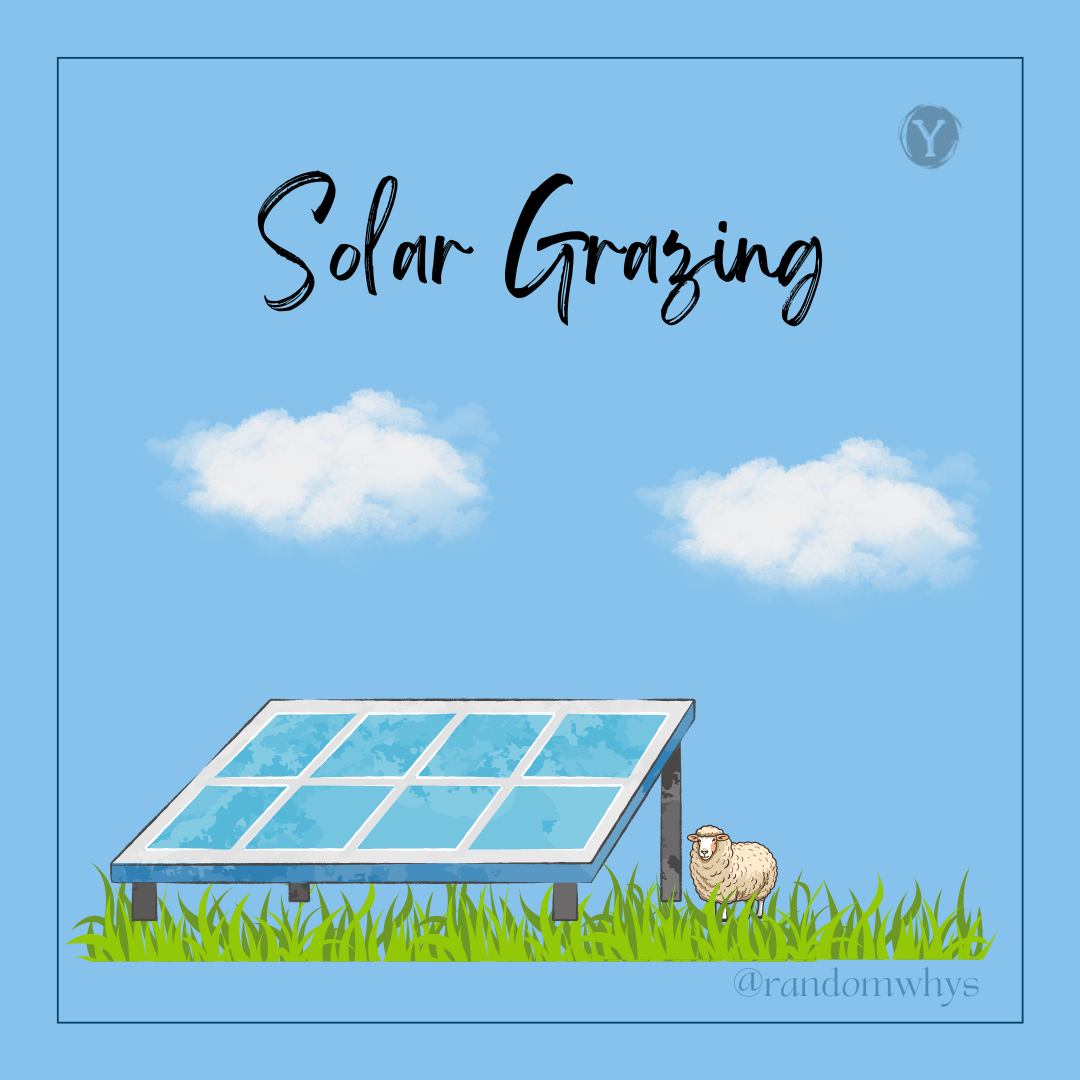
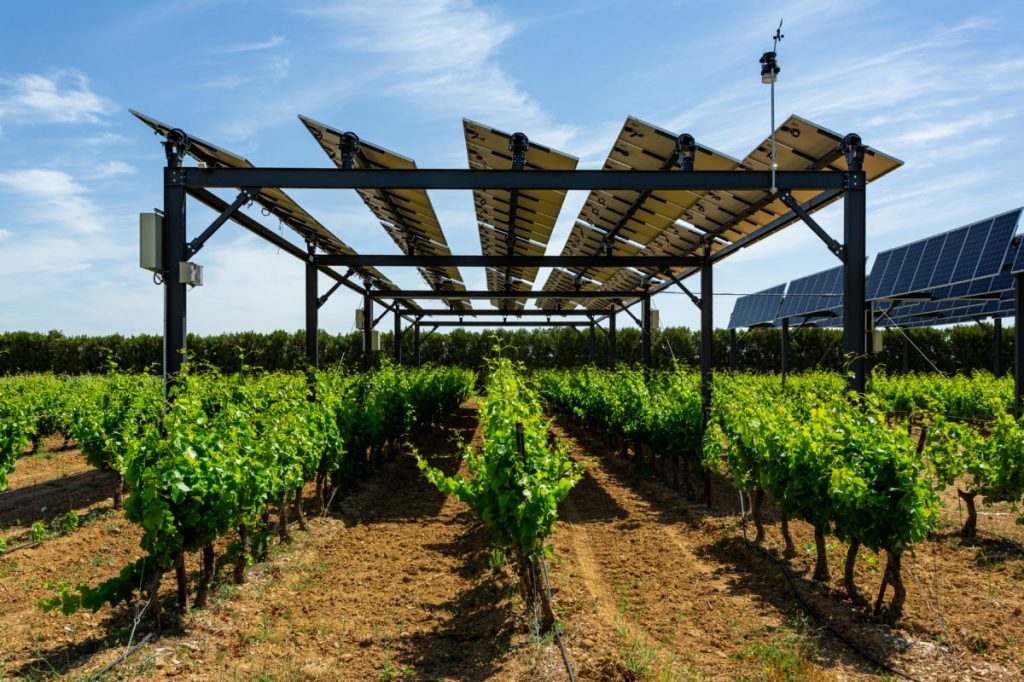
It involves installing solar panels on elevated structures over pastures or crops, allowing sheep (mostly) or goats to graze, and aquaculture underneath. It involves the installation of solar panels on agricultural lands, creating a dual-use system that maximizes land productivity while generating clean electricity.
#Overhead solar PV: This is the most common setup. Solar panels are mounted on elevated structures, allowing crops or animals to grow underneath.
#Interspace PV: Solar panels are spaced out further apart, leaving more room for plants or animals to thrive in between.
#Vertical Solar Panels: While most solar panels are laid flat on the ground or tilted at an angle, some Agrivoltaics systems might use vertical panels. These panels stand upright, which can be a good option in some situations.
There are three main types of stands:
#Fixed: These stands don’t move at all. They’re simple and affordable, but they might not capture the most sunlight throughout the day.
#One-way adjustable: These stands can tilt up and down to follow the sun’s seasonal movement. This helps them catch more sunlight, especially in winter when the sun is lower in the sky.
#Two-way adjustable: These stands can tilt up and down and also rotate from east to west. This allows them to follow the sun throughout the day, catching the most sunlight possible. They’re the most efficient option but also the most expensive.
Implementation
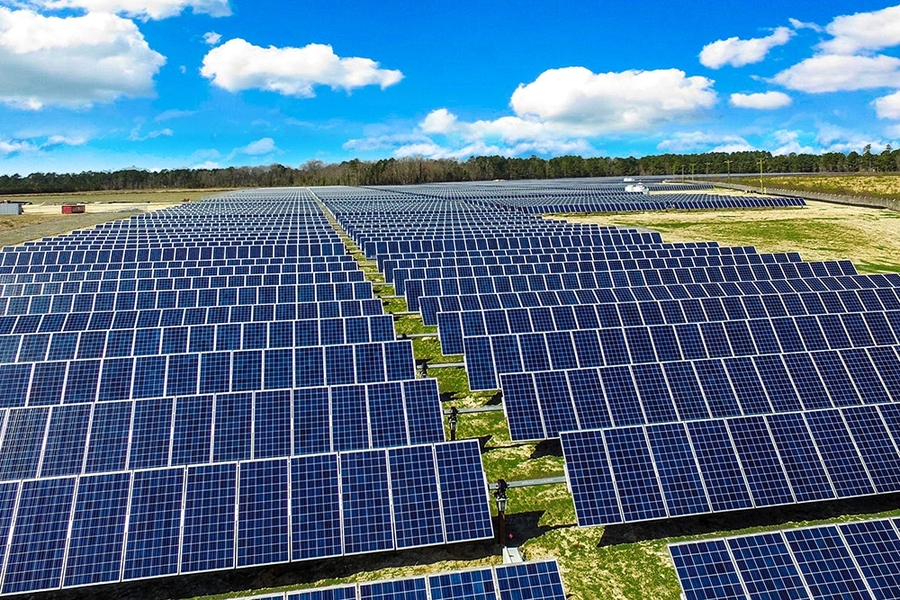
We’ll need to put up tall structures, like big poles or frames. On top of these structures, we’ll place the solar panels. These panels will be facing the sun so that they can catch as much sunlight as possible. The elevated design of the solar PV arrays is a key feature of solar grazing systems. The height and spacing of the arrays are carefully engineered to allow sufficient clearance for agricultural activities to take place underneath.
Area: 100m * 100m (total: 10,000 m2). (Without spacing)
Panel size: 2m * 1m (2 m2).
Output per panel: 250W to 450W (Let’s take 300W – 0.3KW)
Average Solar Irradiance: 5 KWh/m2 (differs depending on location)
Panel efficiency: 20%
Derating Factor = 0.8 (Dust, weather phenomena, temperature variations, etc.)
Calculation
Total number of panels = Total area/area of panels = 10000/2 = 5000 panels (not considering the space)
Total installed capacity = Total number of solar panels Output per panel = 50000. 3KW = 1500KW
Energy Generated
Energy generated = Total installed capacity average Solar radiance Panel Efficiency * Derating Factor
= 1500 5 0.20 *0.8
= 1200 KW/day
= 4,38,000KW/year
Countries
Countries like China, Japan, Germany, Italy, and France are advancing in the area of agrivoltaics. While in India, there are multiple projects going on in the areas of Gujarat, Uttar Pradesh, Telangana, Maharashtra, Delhi, Rajasthan, Himachal Pradesh, etc. Here are some of the insights and outcomes of those projects[1].
Benefits
#Double Duty from Land: Agrivoltaics lets farmers get more out of their land. By putting solar panels overhead, they can still grow crops or raise animals’ underneath, like a two-in-one system!
#Sun Power for a Greener Future: Solar panels use the sun’s clean energy, so farmers rely less on fossil fuels that pollute the air. This helps fight climate change and keeps the environment healthier. Plus, the shade from the panels can improve soil health and provide a haven for wildlife.
#More Income for Farms: With Agrivoltaics, farmers can lease space on their land to companies that install solar panels. This creates a new income stream, making farms more financially secure, especially in areas where weather or prices can be unpredictable.
#Stronger Energy System: Solar panels spread out power generation, reducing reliance on big power plants and imported fuels. This makes the energy system more reliable, especially in remote areas where electricity might be scarce.
#Happy and Healthy Animals: The shade from solar panels keeps animals cool and comfortable, especially in hot climates. This can also protect them from harsh weather like hail or heavy rain. Vertical panels can act like walls, providing extra shelter.
#Protection for Crops: The panels can act like a shield, safeguarding crops from damaging hail or strong winds. They can also help reduce dust blowing onto the panels, keeping them clean and efficient.
Challenges to Consider
#Room for Machinery: The support structures for the solar panels can make it trickier to use big farm equipment. This might mean more manual labor, which can increase costs.
#Keeping the Panels Clean: Since the panels are high up, cleaning them can be difficult. Dirty panels don’t work as well, so there’s a balance to strike.
#Upfront Costs: Setting up an Agrivoltaics system can be expensive, especially for small farmers.
Agrivoltaics is a win-win for farms and the environment. It unlocks clean energy generation while preserving agricultural land use. Challenges exist, but ongoing advancements in India show promise for a sustainable future where farms flourish as powerhouses of both food and clean energy. Lets look forward!
Cheers!
PS: Wow, this is a monster one!
Thank you for reading ♡! If you found this helpful, please give it a thumbs up and share it with anyone who might find it useful!
If you like what you see and wish to support my work, then
Trommsdorff, M., Gruber, S., Keinath, T., Hopf, M., Hermann, C., Schönberger, F., Högy, P., Zikeli, S., Ehmann, A., Weselek, A., Bodmer, U., Rösch, C., Ketzer, D., Weinberger, N., & Vollprecht, J. (2022). Agrivoltaics: Opportunities for Agriculture and the Energy Transition Fraunhofer Institute for Solar Energy Systems, ISE. https://www.ise.fraunhofer.de/content/dam/ise/en/documents/publications/studies/APV-Guideline.pdf
“Laapataa Ladies” is an insightful film highlighting how women lose their identity in marriage, addressing serious societal issues with heartwarming moments.
I’ve come across another interesting movie for the weekend. the talk of the town! As you could’ve guessed. Yes, it is Laapaata Ladies, streaming on Netflix. I remember watching the trailer long ago, assuming it to be in the comedy genre. I was surprised by the film’s depth. The movie conveys the deep-rooted issue of how women lose their identity in marriage.
As I’ve already discussed in my previous post (check it out), women are groomed from childhood to prioritize marriage over personal aspirations. Very few manage to break out of this trap. This movie clearly brings out many aspects of how women lose their identity.
There are two protagonists: Phool and Pushpa Rani (Jaya). They have contrasting personalities. The former is more conservative, orthodox, naïve, and innocent. She knows nothing beyond household chores, including her hometown address. The latter is more logical, goal-oriented, and forward-thinking.
The story is set in 2001. Phool and Deepak are getting married, as are Jaya and Pradeep. They are all traveling on the same train, and due to the veil, Jaya ends up at Deepak’s home, while Phool gets lost at the Pateela station. What follows is a journey of self-discovery and societal critique.
Without giving away too much of the plot, here are some thoughtful observations from the film:
Women are asked to follow in their husband’s footsteps and look down, not up
They are not supposed to call out their husband’s name
Men who don’t demand dowry are seen as having issues with themselves
Dowry is preferred over having agricultural land
Sacrificing personal preferences, such as favorite foods, post-marriage.
They give up their specific knowledge or talents.
The isolation women often experience after leaving their families behind. Less friends too!
Despite the film’s lighthearted tone, it doesn’t shy away from these realities. Laapataa Ladies also offers heartwarming moments. The corrupt inspector’s surprising act of kindness, Deepak’s unwavering support for Jaya, and the playful banter between Jaya and the printing press owner are all delightful additions.
A special mention goes to the people who helped Phool during her stay at the railway station, and the pantry woman’s solitude after dumping her husband also made their mark.
While the film may have been set in 2001, its themes remain relevant today. It highlights the pervasive societal pressure on women to prioritize marriage above all else. But life isn’t like that, right? There are many parts that make our lives beautiful and fulfilling.
When I watch movies from other countries, like Hollywood, I see a stark contrast. Women like Maeve (Sex Education), Emily (Emily in Paris), Ana (Upgraded), and the characters in Falling Inn Love and Perfect Pairing are completely different from the ones I grew up with.
I really liked the ending where Phool was able to travel without someone’s help and Jaya leaves for her Organic farming course. Both say they found each other through themselves. and. After all, it’s one’s decision to get married, start a family, or move out and stay ambitious. Pressure from the community shouldn’t control the choice. And we have no say!
The movie may not sound serious from my description. It’s definitely a good watch and will make you laugh.
Ending this with a dialogue from the same,
This world is strange place, Don’t be taken by what you see! Things are not what they seem to be!
Cheers!
Happy Binge-watching
Thank you for reading ♡!
If you found this helpful, please give it a thumbs up and share it with anyone who might find it fun!
If you like what you see and wish to support my work, then
The debate over using simple language versus fancy words on Twitter reveals the value of clear, straightforward writing for broader audiences.
2–3 minutes
If you’ve been on Twitter lately, you might have noticed a bit of a word battle happening. Last week, Paul Graham tweeted something that sparked a debate. He rejected an email because it used the word “delve.” He focused on over the use of words like delve, tapestry, etc. AI chatbots, like Chat GPT, often use these words. Some people argue that they use the word delve in their day-to-day conversations.
Paul’s point, as I understood it, was about keeping things simple when you write. He suggested that we should avoid unnecessary fancy words. Focus on clear, straightforward language. His tweets encourage to use simpler words to get your message across people. We should avoid using specific adjectives or adverbs if they are not required.
For non-native English speakers like me, this was a relief. We often fear using advanced words when writing for a broad audience. We look up synonyms and try to sound better. But guess what? Simple English is perfectly fine!
The waiting pen beckons, ready to capture thoughts and stories on the page.
Recently, I came across an old blog by Scott Adams from 2007 about becoming a better writer. Here are some key tips he shared.
Keep it simple. Clear writing is key.
Prune the words. Extra words slow you down. Delete them!
Write like a human. People connect with personal writing.
Grab their attention. Start strong with a catchy first line.
Short sentences are your friend. Not everyone is a pro reader.
Organize your thoughts. Flowing ideas keep readers engaged.
Avoid passive voice. It makes your writing more engaging.
These tips show us that even successful writers use simple words. Even the writers that you follow might use a fancy word here or there, but most of the time, it’s simple.
That’s a relief for us, right? We don’t need to use fancy vocabulary to be good writers. So there you have it! Keep it simple, and your writing will be all the better for it.
Cheers!
Happy Writing !
Thank you for reading ♡!
If you found this helpful, please give it a thumbs up and share it with anyone who might find it useful.
If you like what you see and wish to support my work, then
Earth Day began in 1970, but our celebration involves embracing plastic, ignoring recycling and rejecting conservation efforts. Let’s keep pretending we care while actively contributing to the planet’s demise.
3–4 minutes
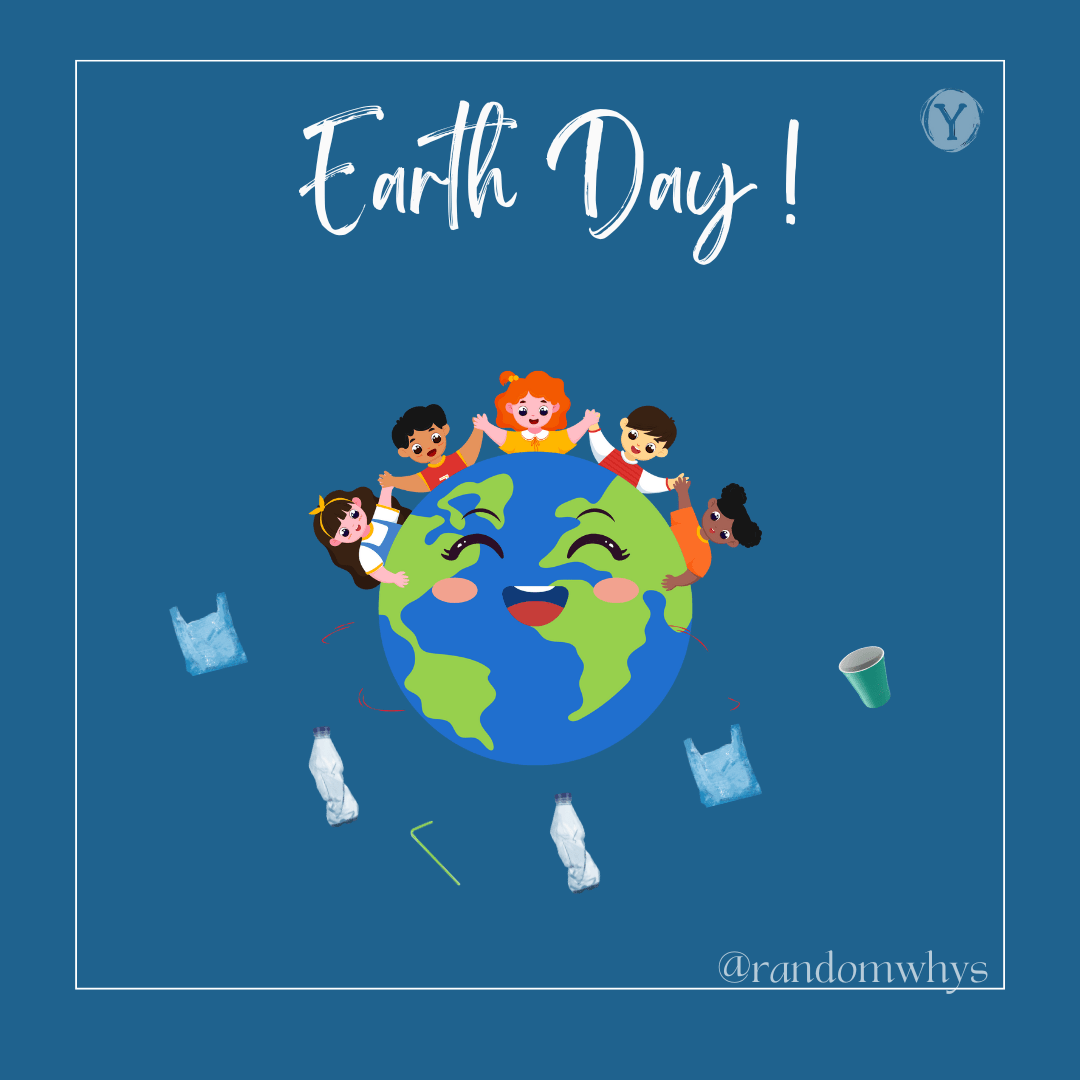
So, today’s blog is all about Earth Day. I’m sure you all know that Earth Day started back in 1970, thanks to the US Senator Gaylord Nelson. There’s even a special flag and an Earth anthem. How delightful! But enough with the history lesson, let’s get down to the real nitty-gritty: how to “celebrate” Earth Day the way we truly do.
#Embrace Plastic
Our day starts beautifully. We brush our plastic teeth (multiple times, because the planet loves a little microbead scrub), grab a coffee in a disposable cup (because dishwashing is for suckers), and head off with a plastic salad container and a water bottle that could fuel a small nation. Hey, look around your desk! See all that plastic? Fun fact: while you’re reading this, the Earth is judging you silently (and probably sweating a little). But hey, happy Earth Day! And if all that plastic bothers you, well, the oceans are always happy to take it off your hands. They’ve been stockpiling for years, anyway.
#Bin There, Done That (Kind Of)
Recycling? Segregating waste? Who has that kind of time? Let’s just pile it all together and chuck it in one giant bin. Europe might reward you for proper sorting, but here? We celebrate Earth Day with good old-fashioned chaos. Plus, scrolling through endless “Save the Earth” videos is way more effective than, you know, actually sorting your trash.
#Malls Over Nature
Weekends are for malls, baby! Forget that pesky greenery. Who needs fresh air and mental well-being when you can buy stuff you don’t need and post about it online (which will totally depress you later, but hey, Earth Day!).
Bard
#Planting? Ewwww!
Planting a tree? Don’t be ridiculous Andrea! Studio apartments and busy schedules don’t have time and space for such things. And those needy little houseplants? Who has the energy to keep them alive when we can barely keep ourselves together? Besides, who needs pollinators when you have exterminators? It’s much easier to kill off any insects or pollinators we see, because why would we want to support the very creatures that help sustain our ecosystem? They sting right? Happy Earth Day indeed!
#Reduce, Reuse, and Recycle?
Remember the three R’s we learned in school? Reduce, reuse, recycle? Yeah, me neither. But hey, I can preach about reducing plastic use all day long. That doesn’t mean I’ll actually remember my reusable bags at the store. Plastic bags are banned. Well, they’re still hiding in our cupboards (IYKYK). Those are practically heirlooms at this point.
#Littering is not my fault!
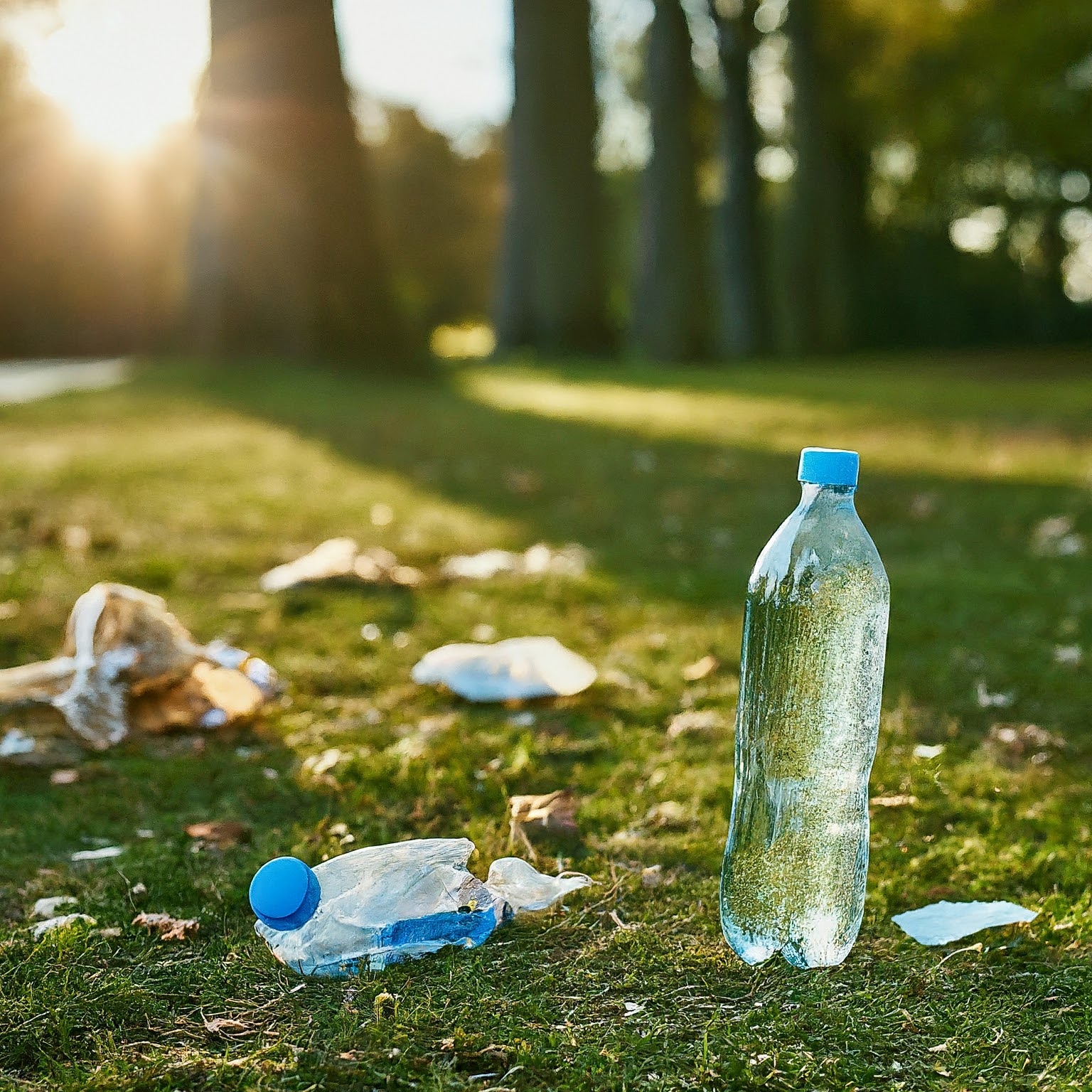
Obviously, the lack of trash cans everywhere is the real culprit behind litter. It’s not like we have pockets or bags to hold our waste until we find a proper bin. The Earth’s problems? It is entirely not my fault. We all know that.
A reminder to respect and protect our natural spaces.
#Conservation is exhausting!
Who needs bicycles when air conditioning and electronic gadgets exist? Exercise is overrated, and who wants to reduce their environmental impact anyway? Let’s crank up the AC, leave the lights on, and keep those energy-guzzling electronics humming. We’re doing you a favor (probably not). Happy Earth Day, planet!
So, there you have it! A comprehensive guide to “celebrating” Earth Day the way most of us actually do. I am writing this in a room that is air-conditioned. Happy Earth Day (again)!
Let’s keep pretending we care while actively contributing to the planet’s demise. Why worry when we’ve got Mars!
If you found this helpful, please give it a thumbs up and share it with anyone who might enjoy and save earth.
Thank you for reading ♡!
Cheers!
PS: Busy scrolling Save Earth reels!
*யாரையும் புண்படுத்தும் நோக்கம் இல்லை
Don’t miss out! Get notified about new blog posts straight to your inbox !
“Perfect Days” is a slow-paced, visually stunning film that captures the beauty of life’s simplicity and emotional depth.
4–6 minutes
Perfect Days is a film that caters to those who appreciate a solitary narrative, although it may not be everyone’s cup of coffee. Unlike the typical movies that offer a dopamine rush through action, twists, and turns, or the emotional rollercoaster and songs, Perfect Days takes a different approach. It’s a kind of slow-moving movie where a man follows the same routine day in and day out.
One of my major difficulties in watching this film was that I had to rely on English subtitles. I don’t know Japanese. It felt like I was missing out on a deeper layer of the movie. Nevertheless, I was able to comprehend the main story based on the subtitles.
It’s a quiet film that focuses on the mundane yet intimate details of a man’s life. An old man who is around 60 to 70 years old and works diligently cleaning public toilets in Tokyo. And trees! He possibly collects all saplings of maple tree and grows.
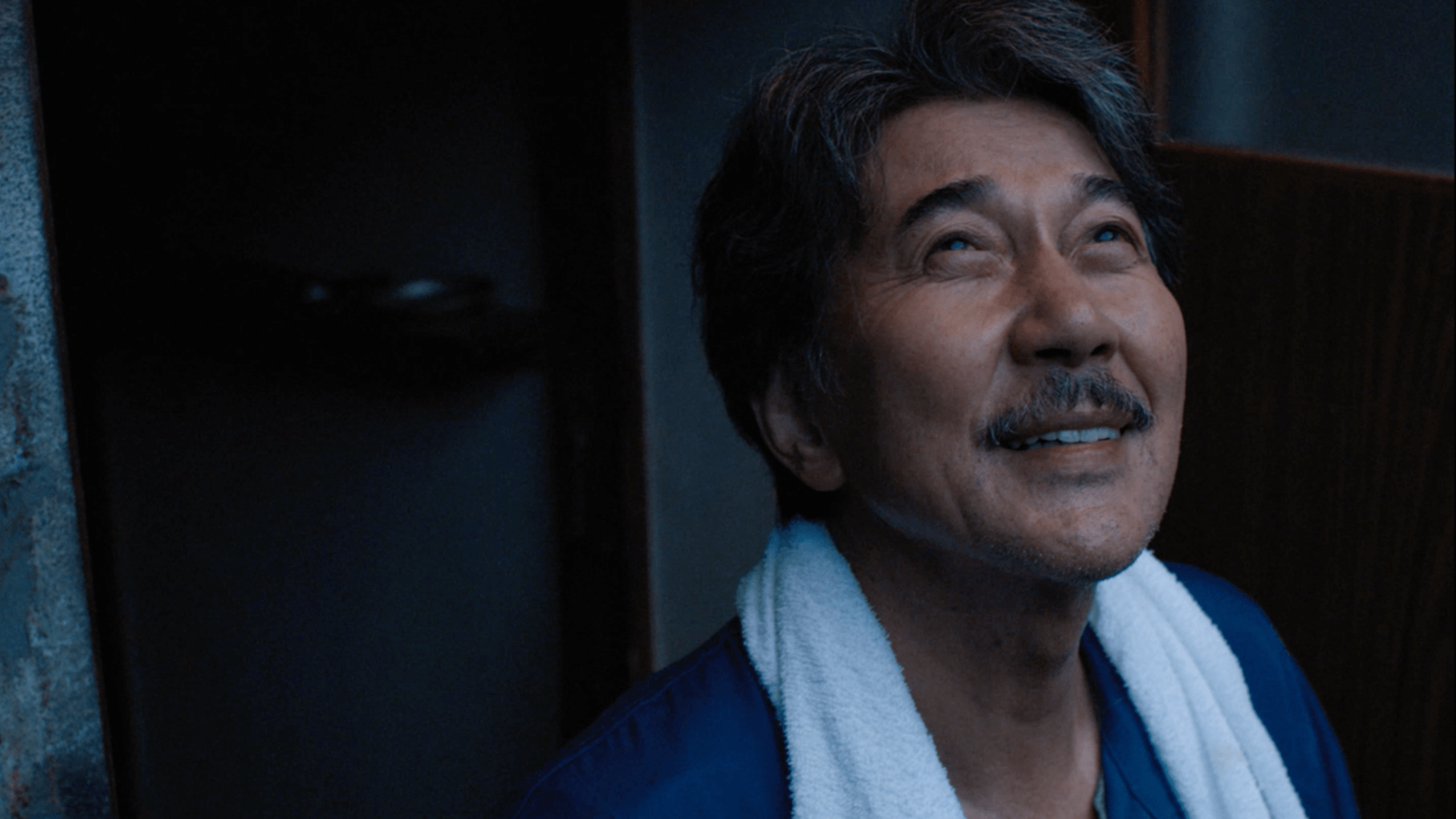
Embracing the day with a refreshed spirit and a vibrant smile
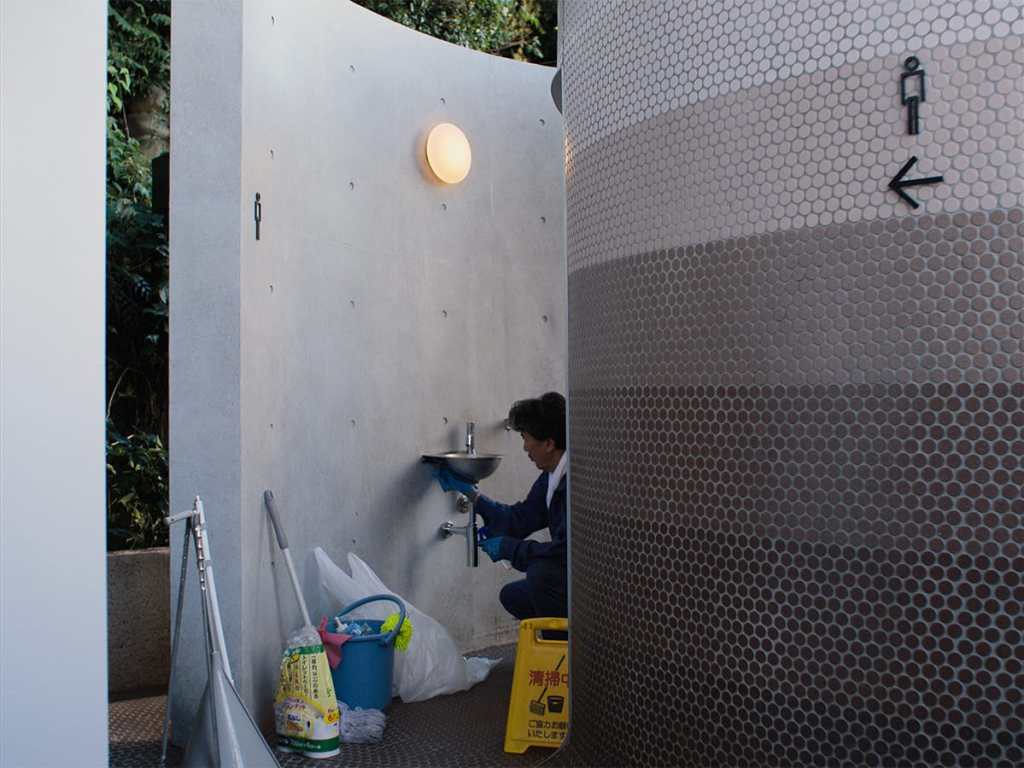
What I found particularly striking was the way the film portrays the protagonist’s work. I’ve rarely seen a movie that depicts the cleaning of public toilets with such elegance and attention to detail. He is devoted to his work, carrying all the necessary cleaning equipment in his car. I am not sure whether he loves his job, but he surely enjoys it. The way he pulls out each pipe, refills the tissue rolls, and ensures every nook and cranny is spotless was genuinely captivating.
Surprisingly, I found myself absorbed in the process, finding a peacefulness and satisfaction in his work that I hadn’t expected. I didn’t know that Toilets can look this amazing!
Transparent toilets
Moreover, the film is largely devoid of dialogue, relying on visual storytelling and ambient sounds to convey emotions and nuances. I started paying attention to the sounds after watching Park Hae Young’s work (check out my previous post). Sound engineers did amazing work here.
Rustling of leaves, his breathing, the turning of pages, the clicks of the camera, the sparing of water on the leaves, his footsteps, etc. These elements add immense value to the viewing experience, encouraging us to slow down and truly immerse ourselves in his world.
The protagonist’s circle of social interactions is remarkably small, consisting of his coworker, a few regulars at the bar he visits, and his Sento acquaintances. He rarely speaks for the first hour. But this gets disrupted when his niece stays with him briefly. His troubled relationship with his sister and his refusal to visit his ailing father suggest a complex backstory that is only hinted at. His black & white dreams too.
He stays away from modern technology, rarely using his phone except for a brief appearance. Instead, he relies on a radio and an old cassette system for music, preferring the simplicity of books and a bicycle for his daily needs. When his niece inquiries about Spotify, he’s out of it. He is firmly believing that “now is now, and next time is next time.
One more remarkable aspect of the film is his genuine passion for his work. However, when faced with an overwhelming workload and the absence of his usual assistant for a night shift, his routine suffers. He gets frustrated. This is a relatable experience for any of us right? Maybe this is how we are all burned out.
One fine day, he learns that the man she’s supportive of (the one who runs the bar) is her ex-husband, who is seriously ill with cancer. The ex-husband asks him to take care of her after he’s gone. Even though he insists there’s no romantic relationship, it’s clear they care for each other.
The ending is open-ended. One possible interpretation is that he has unresolved emotional baggage from the past but has found a sense of contentment in his current lifestyle. Sometimes, it becomes overwhelming, leading to tears and a deep sense of emotion. That goes with the lyrics.
Another interpretation could be that the protagonist has found a sense of purpose and fulfilment in caring for the woman he seems to have feelings for, despite the absence of a traditional romantic relationship. That goes with the lyrics too.
Oh, it's such a perfect day.
I'm glad I spent it with you.
Oh, such a perfect day.
You just keep me hanging on.
You just keep me hanging on.
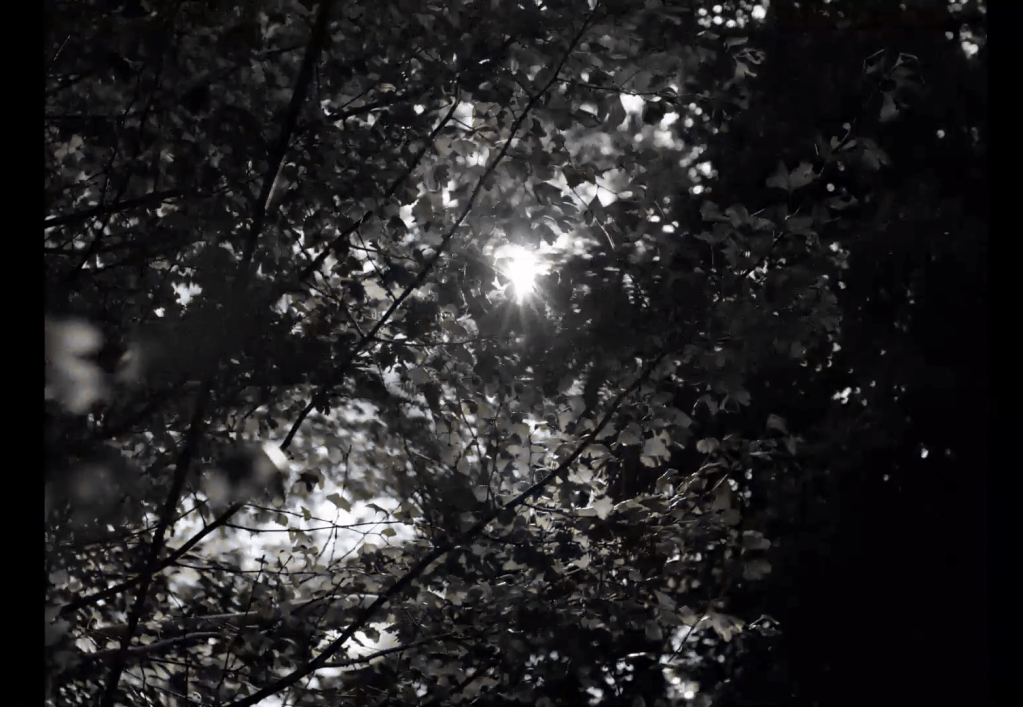
The movie ends with a Japanese word called Komoberi (the shimmering of light and shadows). Maybe it is all about life filled with sunshine and shadows!
Lastly, the film leaves room for different endings and interpretations, echoing Orson Welles’ notion that a happy ending depends on where you stop the story.
This movie may resonate more with older audiences, offering deeper insights that younger viewers might not fully grasp. (Wishing to be older, lol) Overall, Perfect Days is a cinematic experience that invites the audience to slow down and appreciate the small details. And think about the deeper questions of life. It’s a film that may resonate more with those who can appreciate the beauty in simplicity, the wisdom in silence, and the artistry of the filmmaker’s vision.
Embrace iterative creation and hit publish – quantity sharpens skills, quality emerges through refinement, don’t fear judgment.
2–3 minutes
There is an amazing, long-form podcast that I came across. It must have been a few months, though I can’t recall the exact date or episode details. The discussion centered around content creation for YouTube, Instagram, and TikTok. It did offer several key takeaways.
The idea is that in the initial stages of content creation, focus on quantity over quality. This might sound counterintuitive, but hear me out. As you create and iterate, your skills will improve. It’s like learning any new skill—the more you practice, the better you become.
In this digital era, we are constantly bombarded with information. On every platform that you open, you consume one or another form of content. Check out the previous post on Inbox Illusion. This overload shortens our attention spans. Amidst all these distractions, standing out becomes crucial.
That’s where the quantity takes over the quality in the initial days to tell the audience that you are there. Whether you are publishing a piece of content on your own website or leveraging social media platforms, having a substantial volume of content is essential for discoverability.
Through iterative improvements and self-reflection, the quality of your work naturally evolves. After writing a piece, read it through and identify areas for improvement. And also, by revisiting older pieces, you can analyze their structure, flow, and clarity. This self-reflection helps you avoid repeating mistakes in future writing.
While quality is king in the long run, quantity is essential for initial growth. Don’t get discouraged if your early work isn’t perfect.
I used to be hesitant about sharing my work through various platforms (still, lol). Fear of judgment held me back. What will people think? Would they think less of me? What if someone in my industry finds it shallow? These thoughts were paralyzing.
But then, something clicked. A tweet or something in the podcast that I said earlier changed my perception. “Don’t cringe yourself and hit that publish button.”
The first draft of anything is shit
– Ernest Hemingway
Don’t try to make your writing perfect. Just aim to make it good enough for your future self to edit.
-Jodi Picoult
I realized that doesn’t matter since not everyone will see your content. They are too busy with their own distractions to scrutinize your work.
The Key Takeaways
Quantity over quality (in the short run): Consistent creation sharpens your skills.
Quality over quantity (in the long run): As you refine your work, quality improves.
Hit publish! Don’t let fear paralyze you. Most people don’t be care.
So, create, learn from your work, and don’t be afraid to hit publish!
If you found this helpful, please give it a thumbs up and share it with anyone who might benefit. Feel free to leave a comment below as well!! Do subscribe to it for free so that it comes directly to your inbox! Thank you for reading
Cheers
PS: Your feedback matters – share your thoughts here
Thank you for reading ♡!
yone who might find it useful!
If you like what you see and wish to support my work, then
This post shares insights from a non-coder’s experience with the WordPress Explorer package, addressing budget and coding constraints.
This blog post is for WordPress Premium users. When I first purchased the Explorer package (formerly the Premium package), I faced some challenges. especially as a non-coder. To navigate and troubleshoot, We often have to rely on resources like YouTube (or what I call the “open university”). As you can see, all those videos were for advanced packages! Any video would start with plugins.
It was really difficult in the beginning. But some learnings has helped me a lot.
The purpose of this post is to share insights that I learnt using this one, particularly for those with budget constraints or limited coding experience like me.
My WordPress Journey
First, let me provide some context. Remember my previous blog post about starting with WordPress? Back then, I didn’t fully grasp the significance of plugins and themes. I just wanted a space to write freely. Initially, my focus was solely on having a platform of my own without too much concern for SEO or audience reach. I even downplayed the need for plugins.
But as I continued to write, I began exploring SEO. I told myself that I write about things that interest me rather than forcing myself to write about trending things. Slowly, I changed the two titles to SEO based titles.
Key Learnings with Explorer
#Theme Customization
You can customize your theme without knowing how to design it. You can simply navigate to Appearance > Editor in the settings. There, you can adjust colors, backgrounds, fonts, margins, rearrange the blocks, and more to your liking. Trail and error helps!
#Plugins
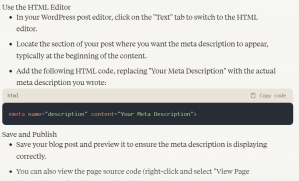
Some of the things can’t be done without plugins like Woo Commerce Store or Backup, yet a few things can be done. For that only, I rely on AI tools like GPT-3 (too poor for GPT – 4), Claude, or Gemini. It gives an alternative to adding additional CSS or HTML. (Please do your research based on your needs.) For example, when I asked where to add a meta description when I don’t have that plugin, the Claude said the following. We just have to careful with the prompts.
Claude
If you’re interested in customizing beyond the easy ones, there’s an option to add additional CSS for specific modifications, though I recommend caution unless you’re confident in what you’re doing.
#Free Analytics Tools:
Since the Explorer plan doesn’t include plugin options for analytics, though Jetpack is there. I would still recommend using the Google Search Console and Google Analytics. While many suggest using paid tools like SEMrush or Moz,
I’ve found the free Google tools to be sufficient for now. Ahrefs are also useful because they give a full site audit report on pages that are not being indexed, have redirect errors, or have broken links.
#Stripe Integration Struggles
Connecting to a Stripe account, especially from India (not sure about others), has been a bit hard. It has an initial waiting period. For connecting to WooCommerce to receive payments, plugins are needed. I’ve personally faced some challenges with this, so if anyone has any insights or suggestions, I’d love to hear them.
Overall, the WordPress Explorer package can be a great option for those on a budget, but it does require some workarounds and learning. While AI can’t write your entire blog post the way you want it to, it can certainly assist you (non-technical users like myself) with specific tasks. Sure, it is a valuable resource for us too.
If you found this helpful, please give it a thumbs up and share it with anyone who might benefit. Feel free to leave a comment below as well!! Do subscribe to it for free so that it comes directly to your inbox!
Cheers!
PS: If you’d like to support my work, you can donate via my UPI ID (Stripe issues, LOL)
Have a great weekend ahead!
Don’t miss out! Get notified about new blog posts straight to your inbox ! (No spam, pinky promise!)
The solar eclipse created global excitement, with different reactions and economic impacts, showcasing our shared connection to cosmic wonders.
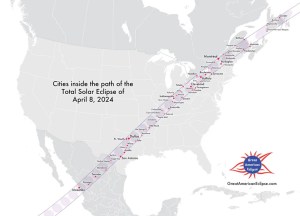
I’ve been quite surprised over the past couple of days, as my social media feeds have been flooded with discussions about the solar eclipse. Now, why is this event so special? Because it perfectly aligns the sun, moon, and earth in a straight line. I’m sure everyone knows about solar eclipses, so I won’t go into the details. But what struck me was how excited and eager people in North America were to witness the solar eclipse. There was so much enthusiasm and anticipation surrounding it.
I’m not sure if there was as much buzz about the solar eclipse in India. I don’t recall hearing much about it in recent months. Interestingly, my childhood memories of solar eclipses (Suriya Grahanam) are quite different. I remember people telling me not to eat or go outside during the eclipse period. we were asked to wear sunglasses to avoid looking at it. Even at school, we weren’t allowed to go out during that time. That’s been my experience with solar eclipses so far. Curious if anyone in India celebrates eclipses differently? Traditional beliefs can be limiting!
Furthermore, it was unusual to see how people reacted to the solar eclipse differently around the world. Some places celebrated it with joy and smiles. In India, people were struggling with the challenges of heat waves.
On Twitter, I saw photos of people traveling to Texas or anywhere they could watch the total solar eclipse. People travelled to these specific areas just to witness the total eclipse.
It was quite surprising. I understand how rare it is to have a total eclipse visible in your location. It can take years for the alignment to occur. There were lots of photos showing crowds gathered at different places, all trying to catch a glimpse of it. Lot of memes too!
Source: X
I wonder if similar scenarios have occurred in India or will in the future. Perhaps I should start paying more attention.
What truly struck me was the economic impact of the solar eclipse, which reportedly generating around $6 billion in economic activity. Many companies sold special eclipse doughnuts and drinks, and Airbnb booked up fast. It was kind of crazy!
Source: X
But the best part was seeing people so happy watching the eclipse. The partial coverage was mesmerizing, with the sun taking on different shapes, much like a crescent.
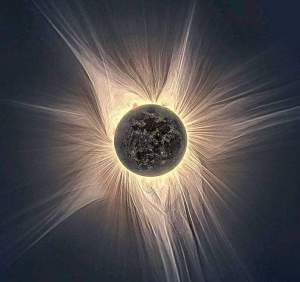
In the morning, I saw amazing photos and videos of the eclipse – a ring of light around the moon! There were also some cool pictures online that looked a little too perfect. I’m not sure if they’re authentic, but they looked incredible. I’ll share one of those images here.
Source: X
The eclipse serves as a powerful reminder that regardless of location, we all share a connection to the wonders of the cosmos. Let’s hope this eclipse brings more beauty into our lives, regardless of where we are in the world.
Cheers!
PS: Type “Solar Eclipse in Google” and see the fun!
If you found this helpful, please give it a thumbs up and share it with anyone who might find it useful!
If you like what you see and wish to support my work, then
Movie reviews vary widely, reflecting diverse interpretations. Personal experiences heavily influence art perception. Subjectivity and objectivity coexist in art, blurring lines.
2–3 minutes
Have you ever noticed how wildly movie reviews can vary? We often assume we know exactly what the director intended, but the reality is, interpretations vary widely among us. It’s us that ultimately shapes the meaning, drawing from their unique perspectives and experiences.
When I was reading the reviews for a movie called “Lover” across various platforms, I noticed a significant difference of opinions from each and every viewer. While some people agreed, others weren’t fond of particular characters. I was curious about the diversity of opinions. Often, our past experiences, whether joyful or traumatic, greatly influence how we view and respond to art.
Movies like action or thriller films. We watch them, but we don’t really place ourselves in those scenarios because, let’s face it, nobody is punching twenty people at a time. Not realistic. Right? Similarly, thrillers often depict situations that are far removed from our reality. We enjoy them, that’s it.
But, take the character Arun & Divya, for instance. Both of their struggles may resonate deeply because many of us have either walked in their shoes or seen someone who has. The connection feels personal, perhaps uncomfortably so.
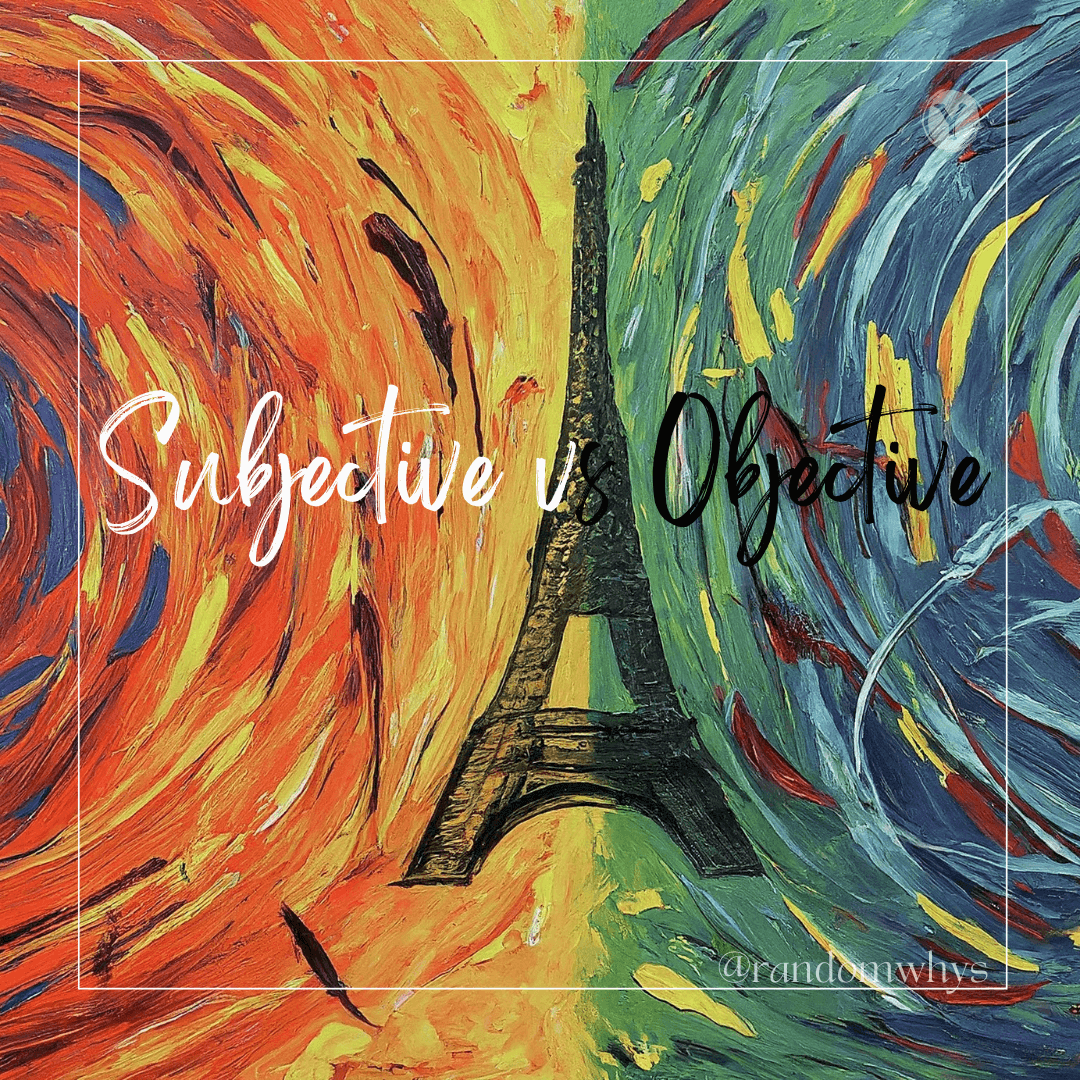
The varied reactions to the movie characters highlight the contrast between subjective and objective art. Let’s break it down. Subjective art is deeply personal—it’s about how we, as individuals, interpret and feel. There’s no right or wrong; each person’s understanding is valid and unique.
For example, in movie called Thozha (highly recommended) and Upgraded, the way people interpret is totally different.
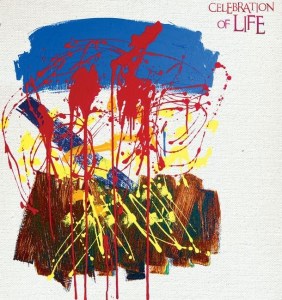
Paintings in Thozha
What appears as random brushstrokes to one person can evoke profound emotions in another. Some are paintings of Van Gogh, Wassily Kandinsky, Jackson Pollock. (Please check them out) These paintings have the power to move and inspire viewers in unique ways.
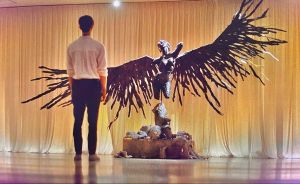
On the flip side, objective art is more about quantifiable elements—techniques, structure, patterns that can be universally recognized. Sculpture made by the lead in the web series called Nevertheless (Kdrama). I regret for the blurry picture, but the wings drew me in
Sculpture from Nevertheless
I’m not sure what to cite for objective, but here are some of the sculptures, portraits. Consider architectural marvels like the Taj Mahal, where specific design elements and geometric precision define its beauty objectively.
I haven’t yet visited a bustling museum of art, but it’s on my bucket list. Perhaps you can draw your own conclusions from these visual interpretations.
Life often presents us with art that blurs the lines between subjective and objective. However, this contrast is what makes art so intriguing and thought-provoking. It’s the beauty of interpretation, isn’t it?
It allows us to appreciate the technical mastery while also reveling in the unique interpretations it ignites within us. So next time you encounter a piece of art, embrace both sides of the coin – the objective skill and the subjective journey it takes you on.
The “Dirty Dozen” highlights fruits and veggies with high pesticide levels. Switching to organic helps, but has challenges.
3–5 minutes
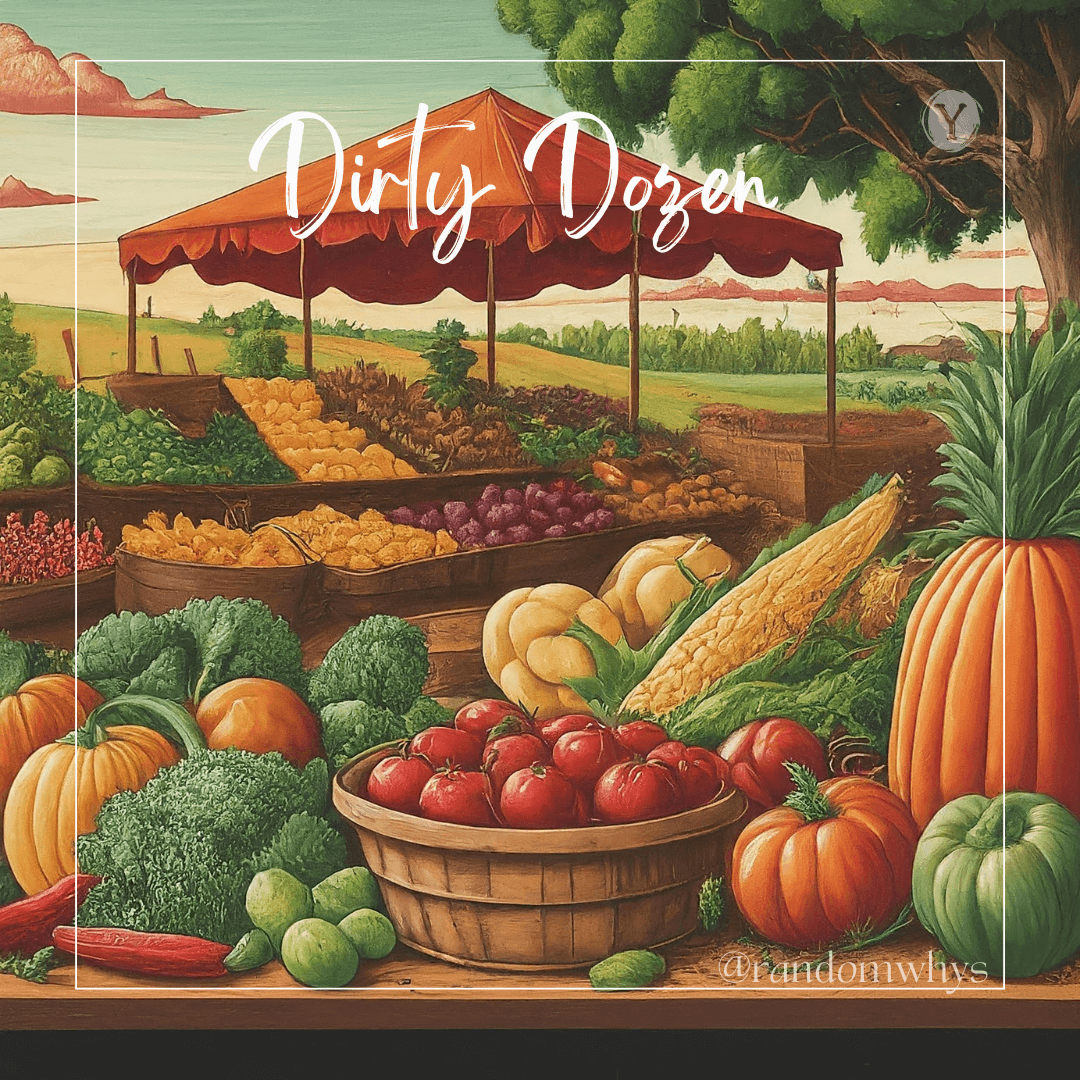
As you can see from the title, it’s not about a game. It’s about fruits and veggies. As we stroll through the shelves of the grocery store, the vibrant colors of fresh fruits and vegetables lure us, promising a burst of nutrition and flavor. However, hidden beneath the surface lies a problem that has sparked debates and raised eyebrows: the infamous Dirty Dozen.
So, what’s the Dirty Dozen?
The Dirty Dozen refers to the list of fruits and veggies with the highest pesticide residues. The Environmental Working Group raises the alarm about toxic exposures every year. Some of the Dirty Dozen include blueberries, strawberries, peaches, kale, spinach, and nectarines.
Let’s talk about why there is a need for pesticides. Pesticides are used in modern agriculture to control insect pests, weeds, fungi, and other organisms that can damage or destroy crops. They are used to increase yield to meet the demands of a growing population. This prevents losses due to pests and disease and also reduces the labour required for manual pest control methods. Farmers use integrated pest management strategies to protect their crops, rotating crops and avoiding spray applications unless necessary. And certain tough botanical crops simply can’t be grown sustainably without some level of crop protection. That’s where organic farming comes in as an alternative approach.
How about organic farming?
Organic farming uses natural inputs and biological pest control. This approach is more labor-intensive. It requires greater expertise compared to synthetic pest and weed control methods. Organic farming can achieve impressive yields. But it may not be feasible yet to solely rely on organic methods to supply food for the entire world’s population. They’d have to change their whole system, which means spending money on new practices, equipment, and setup. Plus, during the switch, they might have lower yields and profits as the soil adjusts.
Organic certification is time-consuming (usually 2 to 3 years) and costly. Also, there’s worry about dealing with pests and diseases without synthetic pesticides, which could lead to crop losses if not managed well. However, concerns rise when there are potential environmental and health risks, as well as the rise of pesticide resistance.
As a mindful consumer and agriculturist, I understand the arguments on both sides of the pesticide residue issue. The Environmental Working Group’s testing highlights higher pesticide levels in some produce. Yet, some experts argue against this. They say the pesticide levels are too low. These low levels do not pose significant dietary risks but the articles says otherwise.
But, seeing some of my favorites, like blueberries, apples, and grapes, there year after year is always disheartening. As much as I love their taste and nutritional value, I really don’t want all those pesticides to dive into the body.
What can be done?
First, eating a diet rich in fresh produce, whether conventionally or organically grown, is vastly better than not eating it at all. The nutritional benefits of fruits and vegetables outweigh the potential downsides. That’s why I try my best to buy organic when I can find and afford it.
Second, It is especially recommended for items on the “dirty dozen” list. These tend to have higher pesticide residues. But I don’t beat myself up when organic isn’t an option; And let’s be real, organic isn’t always an option for everyone’s budget or location. I make sure to wash and scrub produce thoroughly. I’m also aware of the challenges that organic farming faces compared to conventional methods.
Biggest takeaway:
I have a deep appreciation for all farmers, both organic and conventional, who put in the hard work to get food onto our plates. Without them, we wouldn’t have the plenty and variety of food that we often take for granted.
At the end of the day, eating fresh fruits and vegetables, whether organic or conventionally grown, is so much better than avoiding it. Remember to buy from the local stores that you trust. If affordable, opt for organic produce. Otherwise, after the buy, make sure that you give a good wash.
Now, who’s up for a nice, big salad?
Cheers!
Thank you for reading ♡!
If you found this helpful, please give it a thumbs up and share it with anyone who might find it useful!
If you like what you see and wish to support my work, then
Constantly checking emails and getting distracted by content reflects our short attention spans in this fast-paced, digital world.
2–3 minutes
Checking our email is like opening WhatsApp; it’s something we all do often, just to see if anything’s up. We’re all guilty of it. Checking our emails, hoping for something interesting to pop up, even when we know deep down it’s mostly just junk.
Recently, I got an email saying my refund was initiated. I didn’t open it, but it got me excited because I’d ordered some stuff from this cosmetic company and had to cancel and reorder due to a mistake. But when I checked my account, the refund was already there.
I was a bit confused and opened it to recheck it. As you can see, it was actually advertising an upcoming sale and promotion. The subject line was just a hook to grab attention.
It made me think about why they’d send a misleading email like that. But then I realized that, in our constantly distracted world, grabbing someone’s attention for even a few seconds is an uphill battle. It was a clever marketing ploy. Well done!
We’re bombarded with content, notifications, and endless scrolling. If a reel, post, video, or podcast doesn’t grab you right away, you just swipe it. The same goes for emails. If it doesn’t hook you in the first few lines, it’s gone!
Are you still reading it? Great! You have a good attention span.
Whenever you look at successful people, they tell you to read. Read every day.! But it’s becoming increasingly difficult for us to read or to hold our focus amidst the distractions.
I confess, reading hasn’t been my strong suit lately. Last year, I crushed 5–6 books. This year? Halfway through one, three months in.
Realizing how easily I get distracted, I decided to limit my screen time. but I just ended up migrating to other apps, constantly seeking that next dopamine hit of new content.
It made me understand why these companies work so hard to grab our attention. It’s in such short supply na?
TBH, in this endlessly distracting world, sometimes you have to get a little creative to earn even a few seconds of someone’s time.
In school they tell you your paper must be a minimum of five pages long. In the real world you have five seconds to catch someone’s attention before they’re bored and move on. – Morgan Housel
What do you think? Have you noticed your attention span changing?
Cheers!
PS: Hoping my featured images work on your tiny screens 🤞!
if you found this helpful, please give it a thumbs up and share it with anyone who might find it useful!
If you like what you see and wish to support my work, then
A thought-provoking Malayalam movie explores the complexities of human experiences and the challenges women face in seeking justice, without excessive violence.
2–3 minutes
I recently watched a Malayalam movie that really stuck with me. We did have all theaters filled with box office Mollywood movies (Manjummel Boys, Premalu, Bramayugam); may be this movie went unnoticed. Most of the movies that bring out sensitive issues rely on violence or bloodshed to make an impact.
But this one took a different approach. It didn’t bombard the audience with horrific visuals, but in a smooth and gentle way, it explored the complexities of human experiences. Lately, they have been churning out powerful stories that are subtle yet impactful. Check out my post on “Can we truly understand them?” For example, in Kaathal the Core, there is no violence, no shouting, just an exploration that makes you wonder about complexities.
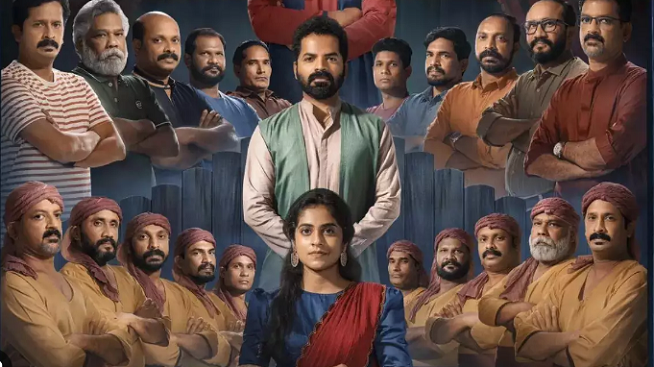
Similarly, this movie follows the same path. It’s slow paced yet intriguing. The story revolves around a few men and a woman (the protagonist) performing stage dramas over the years. Everyone is comfortable with each other. A new member joined recently, and the crew got recognition across the media. Initially, he was portrayed as the villain in the movie, but it wasn’t clear.
The group members assemble at a resort to celebrate their successful play. Everyone enjoys the place, the drinks, and the ambience. The lead gets harassed by someone and can’t identify the culprit, but she is sure about it.
The core of the movie revolves around the woman after she gets harassed. All the men in the crew want to punish the men who committed the crime, but it differs when they understand that supporting him would actually help them in their careers.
What follows is a thought-provoking exploration of trust, belief, and the difficulties of human relationships. They started questioning her memory, her actions, and the people around her. Despite what she said, she couldn’t prove it to them. Even the one whom she loved made her lie to prove her innocence and denied their relationship. She gets frustrated and heartbroken and leaves the group.
The end was indeed an interesting turn. The story has been played by another troupe with her as the female lead. This time, a masked man confesses to her, unable to bear the guilt, while the original troupe is the audience. But the women didn’t want to know his identity or show it to the audience
Perhaps the strength of the movie lies in conveying such a heavy concept without excessive violence or anything else. It focuses more on the complexities surrounding sexual harassment and the challenges women face when seeking justice from their own crew.
While some viewers may feel uncomfortable with its portrayal of men, it challenges your perspective and leaves you thinking from a different lens.
Cheers!
Do watch out; it is available on Amazon Prime. (Not sponsored)
Thank you for reading ♡!
If you found this helpful, please give it a thumbs up and share it with anyone who might find it interesting!
If you like what you see and wish to support my work, then
Life is fleeting yet significant. YOLO motivates crossing off the bucket list, while a longer life offers time for contemplation and enjoyment.
2–3 minutes
Do you ever think that life is fleeting or never ending? Have you had thought about it like imagining yourself at two ends of extremes. I’m sure that everybody would have had some days that were unnoticeable whereas for some, it would seemed like it lasted forever. Maybe we can discuss both the extreme scenarios today.
First of all, it is crucial to discuss the statement that life is incredibly short. Since we have only one chance, most use the motivational phrase YOLO to remind us of that fact. It may motivate people to cross items off their bucket list: travel to all places, try new exotic dishes, and finally do what we have struggled to accomplish.
However, a short timeline does not imply a meaningless end. One’s small joys may lose their value: words will be the only things that will not hurry, long walks with good friends, prefect coffee, doing silly things without guilt, taking exhilarating nature, viewing sunsets and sunrise, unexecuted plans with your closed buddy and the list goes on.
With the limited time, we may choose to let go of meaningless conflicts, ego, irritations, spending all your energy at the desk in front of laptop. There is no point in arguing yourself or proving it to the world that you exist, have to be remembered. After all, why we waste the precious time fighting over the things that won’t matter after we are gone. Life is too short for that. (I still wonder why canines have shorter life span.!)
Let’s go to the opposite extreme, where we are living a long life (assume it to be 100 or 150 years). Instead of rushing things and running towards the goal post, maybe we will look at the track, the people running along with us. We’d take our time, not force ourselves into things. We’d focus on the process by just posting that reel on IG, shooting that video for YT, writing something that you wished for, learning that skill at your pace and not just on the results. Maybe if we lived longer, we would reconsider what success actually means to us.
There won’t be any hurry on choosing a career path, partner or all life major decisions. We’d take care of our families and plan our futures calmly. You could enjoy all things in the budget list without hurry. We would be willing to do the all the above said once yet we will be doing it slowly right?
Ultimately, whether life is a blink or a marathon, the desire to truly live continues to exist. Our inherent desire for happiness through experiences, connections, and self-expression remains constant. In both scenarios, we’d do what we truly want. But distractions often lead us astray.
I don’t have a conclusion. Today, something made me think deeply about life’s length. How would you react if life were short or long? Imagine both and see what you’d do. Just take a moment to think about it & share yours!
Cheers!
PS: Monday thoughts 😂!
Don’t miss out! Get notified about new blog posts straight to your inbox ! (No spam, pinky promise!)
Friendships have always been idealized as unbreakable bonds, but reality often challenges this notion. As we grow, we realize that not every friend is a bestie, trust is built on honesty, people have varied intentions, and growth can lead to drifting apart. Respecting differences and finding genuine connections make the journey worthwhile.
Subscribe to continue reading
Subscribe to get access to the rest of this post and other subscriber-only content.
















 Random Whys