
This is a follow-up to my earlier post. Please read that one first for better understanding.
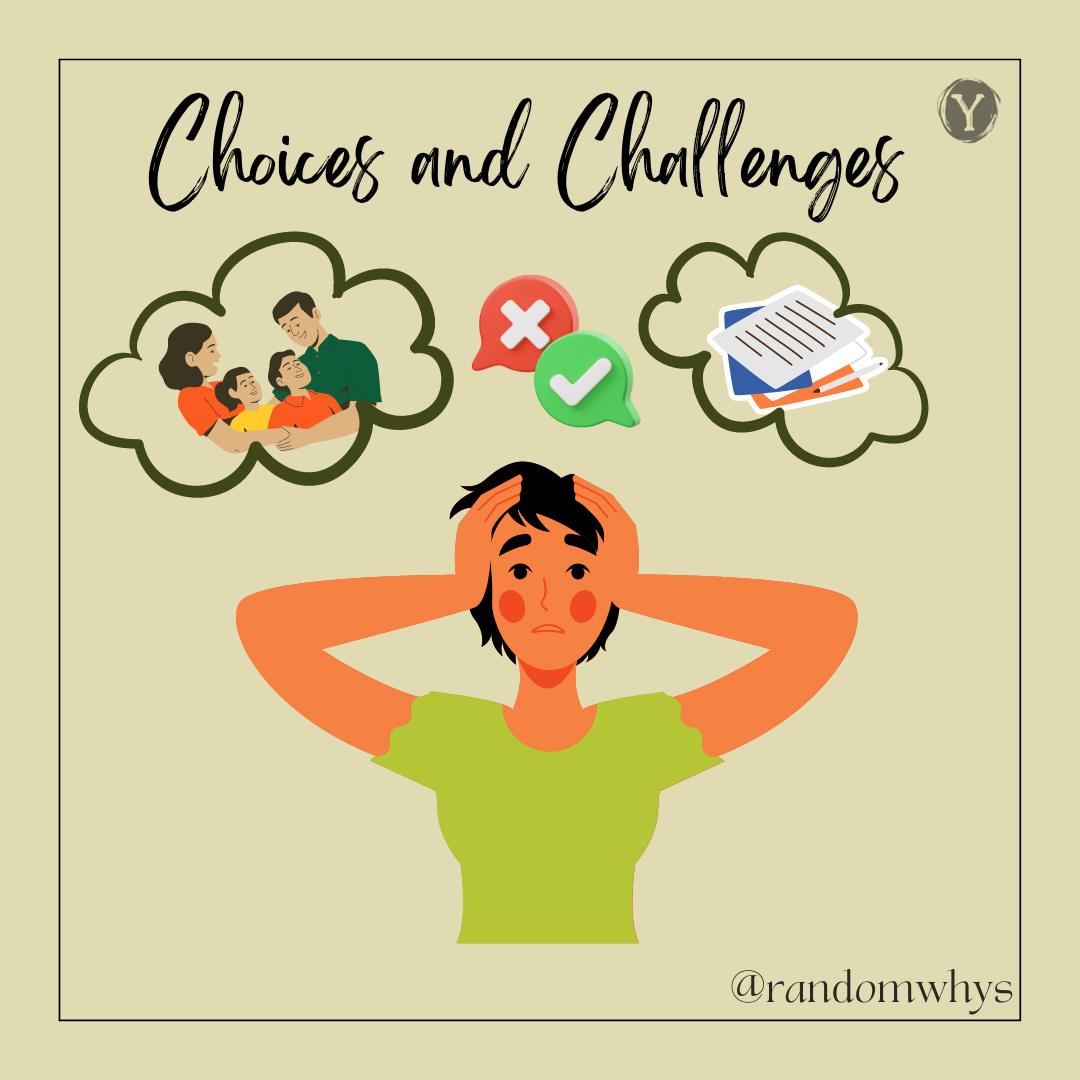
There was a debate on Neeya Nana, a Tamil TV show, about homemakers vs. working women. The show was filled with women and two men. The educated working women group argued that having a job gives financial independence, spreading knowledge, and promoting inclusivity. On the other side, the educated homemakers emphasized the importance of parenting, home maintenance, personal time, and providing healthy food for the family.
Women have the choice to work or stay at home, but some are privileged while others are oppressed. Here are some key points from the show:
- Men doesn’t have a choice of staying at home
- Raising children is harder without a joint family.
- Balancing work with family health and values is tough.
- Mothers feel pressured to raise children while men remain the providers.
- Society expects women to be the “perfect” mother.
- Sons who grow up with a homemaker mother might expect the same from their wives.
- Some women may idolize homemakers and stop prioritizing education and work.
- Correction on the taboo around periods. Women should rest during their menstrual cycle if they choose, not be forced. Too much of conditioning on women
- The working set up/ companies doesn’t offer enough space to look after the kids.
However, the show missed addressing some issues
- Domestic violence and oppression when women stay at home.
- Emotional manipulation and undermining women’s intelligence.
- The importance of working if the husband passes away.
- The ability to leave a marriage in case of abuse.
- Some women don’t have the choice between homemaking and working.
- Work as escapism to certain people
- It shouldn’t cause conflict over the choices they make
- The involvement of men in all these issues addressed was missing.
Apart from that, two men supported and sat on the working women side, but I’m not sure what they said. It wasn’t telecasted either. Both sides in the debate justified and projected their choices, but none mentioned the struggles women (as collective) face either way.
In my previous post, I spoked about how women are vital to the economy. Developed nations have more women in the workforce, with better daycare and healthcare systems compared to ours. It helps to simplify their role and responsibilities. However, women here, are often ones who face criticism if something goes wrong with their children/family.
While we discuss gender issues and increasing women’s participation in various sectors, real changes are needed at the grassroots level—from both men and women. In the end, real progress for women will only come when we stop framing their choices as right or wrong and start addressing the deeper struggles they face—at home, at work, and in society. True equality begins when both men and women share the responsibility for change. It is available in Disney. Give it a try.
Cheers
Check out the other post on Home
If you like what you see and wish to support my work, then
Share your thoughts/suggestion at the comment section or mail at
randomwhyss[@]gmail[dot]com
Don’t miss out! Get notified about new blog posts straight to your inbox !
(No spam, pinky promise!)
Enter your mail to receive updates


 Random Whys