It Ends With Us (2024) Movie review

2–4 minutes

I finally got around to watching It Ends With Us. Initially, I planned to see it when it was released in theaters, but I ended up watching it now on OTT (pestered few of my friends for movie link or the platform to watch). When it first came out, it was only available for rent. Later, I got busy with work and kept postponing it.

I’ve read a lot of reviews saying the book is far better than the movie. Many readers felt that the characters of Atlas and Ryle didn’t meet their expectations. I stopped reading fiction after COVID. I had started with Revolution 2020 by Chetan Bhagat and read a few books after that, but I’m not sure if I lost interest in fiction or if the gap affected me. Watching this movie, however, makes me want to read the book and understand Atlas better. Some parts of me are curious about the conversations and details from the book.

Now, coming to the movie itself. Since I haven’t read the book, my thoughts are based only on the movie. The title It Ends With Us felt meaningful by the end. The opening scenes were engaging and set the story well. Lily struggles with her feelings about her father, and Ryle has uncontrollable anger issues. The “naked truths” they revealed early on were bitter yet important to the story.

Here are some of my observations:

  1. Ryle’s unresolved childhood trauma was revealed as part of his “naked truths” early in the story.
  2. Lily’s compassion, whether for flowers or Atlas, stood out. Did she like Atlas because he understood her pain?
  3. Atlas’s early warning and the card he left under the case were thoughtful touches.
  4. The heart made from oak wood and the heart tattoo near Lily’s collarbone were symbolic and added layers to her character.
  5. Alyssa, as Lily’s best friend, did an amazing job supporting her.
  6. Lily’s experiences with her parents helped her understand her own abusive relationship. This realization was critical for her decision.
  7. Lily’s mom shared how she got used to loving her husband, even though he abused her. She depended on him for many things, like fixing things in the house, which made it hard for her to break free
  8. The portrayal of an abusive relationship was simplified, but it still touched on the impact it has on children. The way Lily explained this to Ryle was powerful.
  9. Ryle acknowledging that Lily should live alone was amazing (I was like, what he understood easily??).
  10. Atlas’s empathy was clear when he told Lily, “If you’re ever ready to love again, fall in love with me.” That scene stayed with me.
  11. The way Lily’s father beat up Atlas was terrifying, yet Atlas stood up for her despite the risk. (I know, it’s novel, lol !)
  12. The metaphor of roots and lily blooms was beautifully placed. The idea that healthy roots are essential for growth connected well with the story.

Overall, the movie had its moments, but I feel the book might offer more depth, especially with characters like Atlas. I might pick it up anytime sooner. Its available in Netflix.

Cheers

PS: obsessed with Love the Hell Out of You (Lewis Capaldi)

Check out the other movies reviews

If you like what you see and wish to support my work, then

Share your thoughts/suggestion at the comment section or mail at

randomwhyss[@]gmail[dot]com

Don’t miss out! Get notified about new blog posts straight to your inbox !

(No spam, pinky promise!)

Enter your mail to receive updates

Regret Loop

1–2 minutes

We often consume a lot of information these days. we refine and decide it based on what we truly need in life. These learnings usually remain at a surface level because they are just that learnings.

When chaotic situations arise, we often react in unexpected ways. Later, we regret not handling them better, even though we knew how. This triggers the brain to recall past moments where we failed, pushing us into a cycle of regret and self-doubt. I believe breaking this cycle comes down to practice. Time consuming tho!

Bruce Lee once said

I fear not the man who has practiced 10,000 kicks once, but I fear the man who has practiced one kick 10,000 times

Similarly, life teaches us to handle things better with repeated experiences. This applies to all aspects of life. Sometimes, it’s about believing in ourselves.

Trust that we can improve and handle challenges better each time. That doesn’t mean we need to expose yourself to negativity intentionally, but when difficult situations arise, trust that we’ll grow through them.

Cheers!

P.S. I’m currently reading Metamorphosis and just finished The Courage to Be Disliked. Both are eye-opening reads!

If you like what you see and wish to support my work, then

Share your thoughts/suggestion at the comment section or mail at

randomwhyss[@]gmail[dot]com

Don’t miss out! Get notified about new blog posts straight to your inbox !

(No spam, pinky promise!)

Enter your mail to receive updates

Think Twice!

Social media offers income opportunities, but education remains vital for some, teaching essential skills and patience for future success.

1–2 minutes

With the rise of social media, many people are now making money through these platforms. It’s great to see more diverse ways to earn an income. People are able to make good lifestyle. But this trend is causing some to think that education is no longer necessary. Is it creating a bubble that education isn’t needed? Is it right?

For some, it’s easy to say, “Forget a degree,” especially if they have support to fall back on. But for those without this privilege, a degree is something essential and crucial. Might realize these at a later stage. At least if not a degree, skill sets are required.

Education has some hidden benefits. The skills it builds may not seem immediately useful, but they help in ways we don’t always see right away.

For eg, you may wonder what algebra or Pythagoras’s theorem have to do with real life. Even I have no clue what they do in life. But they teach that us patience, that not every problem has to be solved. Some can be ignored.

Base your choice on what you want for your future, not on someone else’s influence. After all, you’re the one who’s going to live with it.

Cheers!

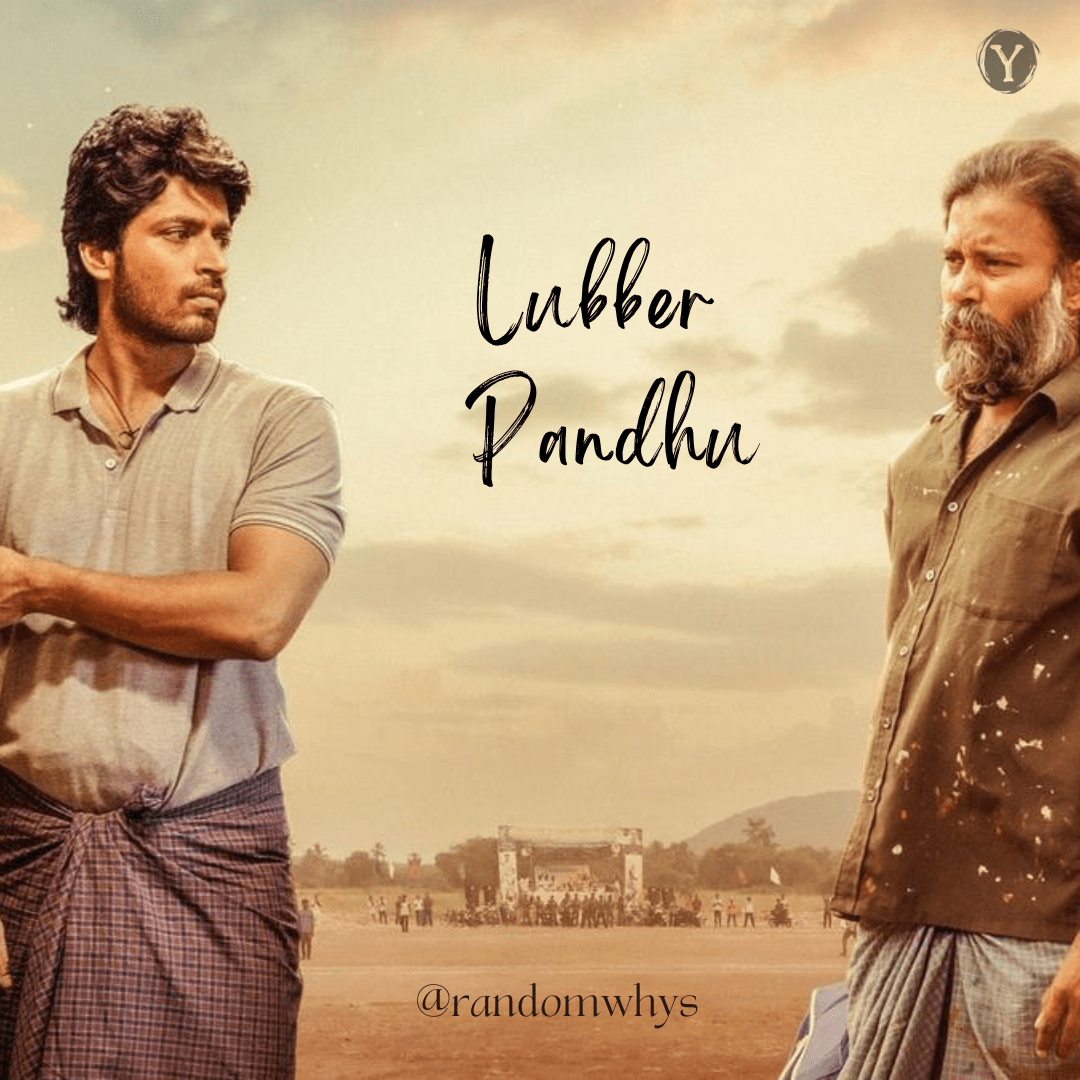
Lubber Pandhu (2024) Movie Review

“Lubber Pandhu,” highlights the themes of ego clashes, relationships, love, and strong characters, while encouraging viewers to ponder its deeper meanings.

1–2 minutes

Happy Deepavali and Halloween to everyone reading! Let light sparkle into your darkness.

I had the chance to watch Lubber Pandhu today—yes, on Disney OTT. The theatres here are all booked! It was a great watch, yet left me thinking about a few things. Some might wonder, “What’s there to think about in a movie?” But each movie can show us something different, whether it’s about competition, cricket, love, ego, or just feeling good. For me, Lubber Pandhu had a mix of it all.

Some observations maybe

  • The clash of egos between the men was shown clearly. It showed how relationships can be more important than pride. Between Anbu and Gethu, friend’s clash of ego, the Jolly friends team’s clash.
  • Anbu’s sportsmanship and his drive to win were impressive. Gethu’s acting and talent also stood out.
  • The bond between couples both the young ones and the parents. It was beautifully portrayed. They each showed love, compassion, and an understanding of what the other wanted. It was good to see their realization that they couldn’t live without one another. Anbu accepting that she might learn to live alone, and Gethu’s tears as he asks her to stay, added depth.
  • The lead female characters were strong and confident in their choices
  • Friends had a meaningful role too. Important moments were handled with sharp, thought-provoking lines whether it was in the brotherly like scenes or when Akila entered the game.
  • The plot was engaging throughout the story.

This film left me with few things to think about, and I’m sure it will resonate with you when you watch.

Cheers

Check out the other movies reviews

If you like what you see and wish to support my work, then

Share your thoughts/suggestion at the comment section or mail at

randomwhyss[@]gmail[dot]com

Don’t miss out! Get notified about new blog posts straight to your inbox !

(No spam, pinky promise!)

Enter your mail to receive updates

Beneath the Surface!

Kind gestures you stumbled upon and loved
A fragment piece of mine, remaining untamed
Felt calm and tranquil, seeing the waves
Ignoring the ocean depths of storms in head
You dream of me all sweet and sugar
Beautiful doll, built inside your mind
Praising all the soft and pureness
Wanting to hold your illusion of me
Seeing the smile, you ignore the scars
For in these scars, a new story begins.

Cheers

PS: FI – Deadly nightshade

Check out Poem for more

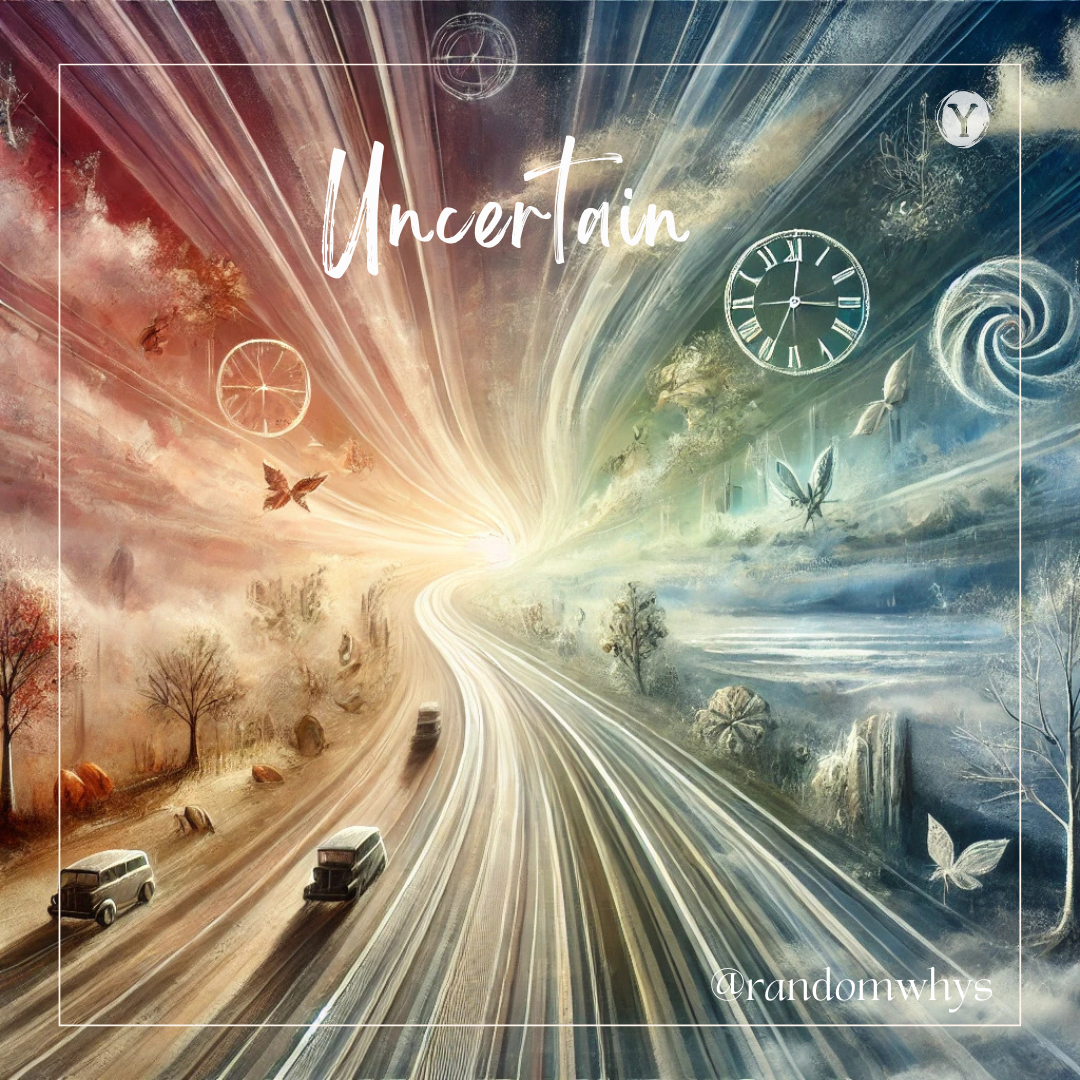
Uncertain

While organizing my inbox, I encountered a quote about the past’s uncertainty compared to the future, prompting me to reflect on how my perceptions of past events change over time.

1–2 minutes

Today, while clearing out my inbox, I used keyboard shortcuts to sift through unread emails quickly. I skimmed each one, moving important messages to labeled folders (love to give colors), archiving those that weren’t, and moving to the next.

In the middle of this routine, I came across a quote in Morgan Housel’s Collab Fund newsletter that grabbed my attention. It was titled A Message from the Past. Curiosity got the best of me, so I opened it, but since I was in a rush, I only read the first few lines before closing it and returned to my inbox to cleanup.

However, the quote kept echoing in my mind:

The past is more uncertain than the future!

It was written by Russian poet Yevgeny Yevtushenko, tho I wasn’t sure. We often think of the future as unpredictable, full of surprises, and hear advice like “Don’t live in the future! Future is unpredictable! You never know what’s going to happen.” This quote seemed to suggest the opposite, leaving me a bit confused.

Eventually, I went back to the email again and read it in full, as well as a few others, and found the idea fascinating. I could really relate to it. Every time I think about my past right from childhood moments to events as recent as yesterday, I notice my understanding of these events shifts.

Let’s say something happened in 2006, my version of it in 2012, 2018, 2020, and now would each be different. It is actually. With my experiences, understanding and perspectives over a period of time, and when I look back, it’s like seeing things with a new lens.

That’s why, in a way, the past does feel uncertain pola!

What are your thoughts?

Cheers

Check out the other Home

If you like what you see and wish to support my work, then

Share your thoughts/suggestion at the comment section or mail at

randomwhyss[@]gmail[dot]com

Don’t miss out! Get notified about new blog posts straight to your inbox !

(No spam, pinky promise!)

Enter your mail to receive updates

Meiyazhagan (2024) Movie Review

“Meiyazhagan” offers a fresh perspective on relationships and emotions, showcasing genuine connections and vulnerability, contrasted against today’s action-oriented films. It resonates deeply.

2–3 minutes

I really wanted to watch “Meiyazhagan” on birthday. It reminded me of watching 96 in Trichy on same day, though that plan didn’t work out. Pakka Flop! Finally, the movie came out on Netflix, and I watched it with my family.

Everyone at home was drawn into the story. Maybe it was because of how beautifully it showed relationships and family bonds. The story is full of pure emotions of innocence, care, and affection. Yes, there are some bitter moments and difficult people, but that’s life. This movie felt different to me from others. Today’s movies often portray violence, but Meiyazhagan shows vulnerability and the softer side of men. It was refreshing to watch two men having heartfelt conversations. It left me feeling good and warm.

Karthi and Arvind Swamy (playing Meiyazhagan and Arul) shared the spotlight perfectly. They helped each other find their true selves. Karthi looked up to Arvind Swamy as a role model, learning from him without Arvind even knowing. Even, the bicycle became a symbol of their connection and how it changed Karthi’s life.

When Arvind Swamy moved to Chennai, he seemed to lose himself in city life. You can spot few things where he always wears watches in early scenes, but stops wearing them, people telling him to be gentle. He wears his father’s and yet he miss it again while leaving for Chennai. Giving a wrong number to him and so. Once Karthi showers him with love, he struggles to accept. Guilty? Not sure tho. He tries to flee. He picks up Karthi’s slipper while running (he adores it, actually).

Karthi helps him rediscover himself by having such deeper conversations. The emotional scenes hit hard – like when Arvind Swamy breaks down because he can’t remember Karthi, or when Karthi realizes his hero doesn’t know him. Their tears felt real. It makes you wonder, do men have conversations this heartfelt in reality?

Few more scenes, I loved. The way Arul and Azhagan is having conservation with their wife’s. He was happy seeing her wife talking English. So much of innocence and love.

The other characters add richness to the story. Both men’s wives, sister Bhavani, Latha, his father, uncle and his daughter. Even the animals play a special role in this movie. The cats and parrots in the city, bulls, elephants and snakes in the village. The animal ecosystem wasn’t disturbed. Finally, he request for an archanai at the temple on his name.

Meiyazhagan really shows how an innocent, kind person can impact and touch others’ lives. Even the word “Athaan”, which might seem old-fashioned today, feels natural, pleasing and beautiful here. While some characters show toxic behavior (tho, it was not covered in the movie), the movie balances it with wonderful family relationships.

If you’re looking for dramatic twists or action, this isn’t your movie. But if you want to see slow paced warm ones, you might like this one! Available in Netflix!

Cheers

PS: In hurry!

Check out the other movies reviews

If you like what you see and wish to support my work, then

Share your thoughts/suggestion at the comment section or mail at

randomwhyss[@]gmail[dot]com

Don’t miss out! Get notified about new blog posts straight to your inbox !

(No spam, pinky promise!)

Enter your mail to receive updates

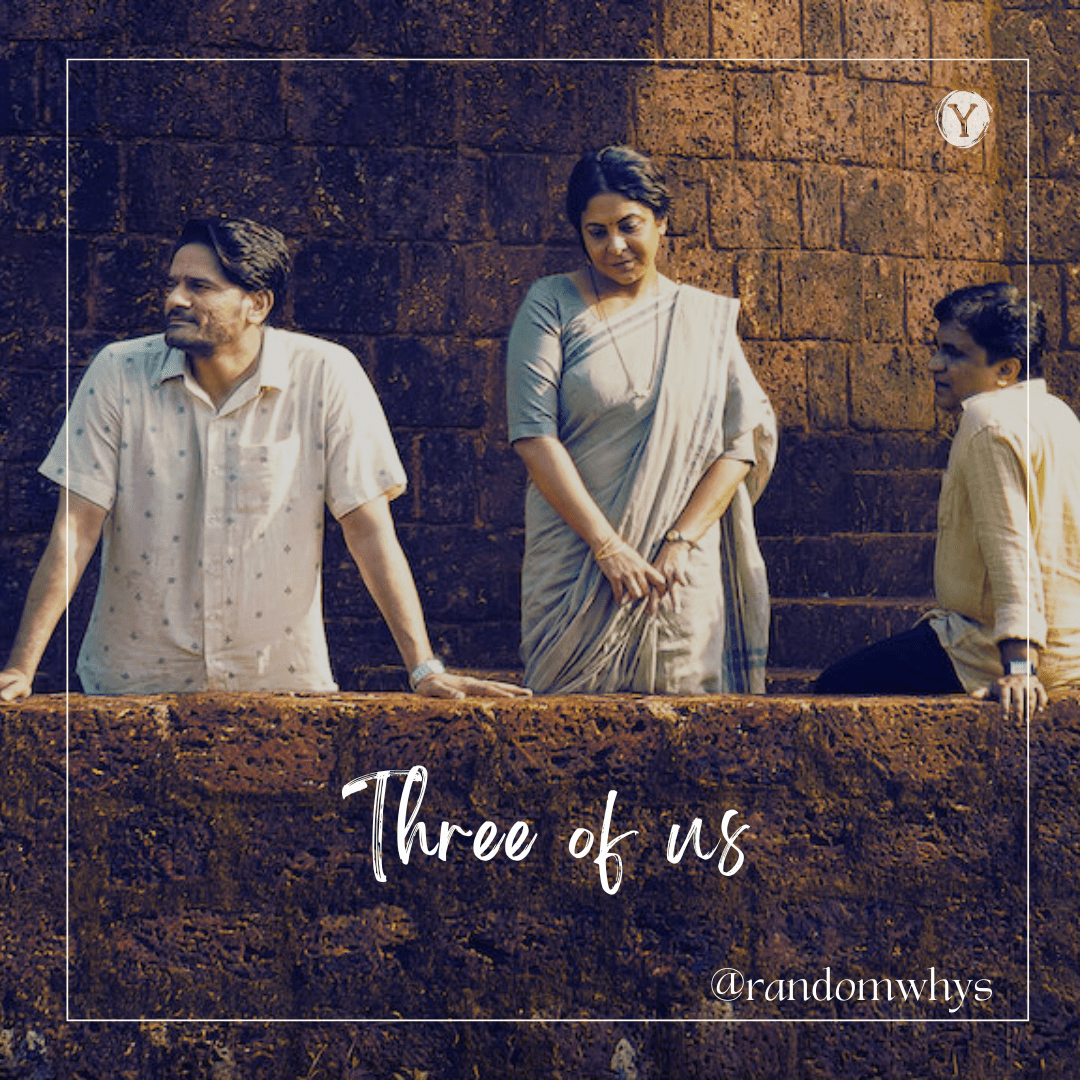
Three of us (2022) Movie Review

Three of Us explores Shailaja’s emotional journey through early dementia, reconnecting with past friendships, and learning to let go while reclaiming lost memories.

2–3 minutes

After being immersed in the intense drama of Succession, I felt the need for a change and decided to watch Three of Us. Some compared it to Past Lives, but they feel like two different worlds. Three of Us is a delicate, emotional journey about reclaiming lost time while learning to let go. It’s a story of three intertwined lives: Shailaja Desai, her husband Dipankar Desai, and her childhood friend (Crush perhaps), Pradeep.

Shailaja, the main character, is in the early stages of dementia. She works, possibly in handling divorce cases in Mumbai, while her husband sells insurance. At the start, she struggles with her memory, writing down everything she forgets. One night, she asks her husband to take time off and go with her to Konkan, where she reveals she spent her childhood.

In Konkan, Pradeep enters the scene, Shailaja’s old friend and now a banker. As they reconnect, layers of the story begin to unfold.

  • In the beginning, Shailaja is portrayed as lost, almost disconnected from herself. As the movie progresses, we witness her slowly coming alive again, her memories breathing life back into her.
  • There’s a poignant conflict within her—while she clings to the happy memories of her childhood, she desperately wants to forget the painful ones. A mysterious woman in a hut becomes the symbol of her emotional release, allowing her to confront her hidden burdens.
  • Her interactions with old friends show glimpses of her former self. She remembers more than we’d expect from someone battling dementia, adding complexity to her character.
  • Her graceful Bharatanatyam dance is one of the most touching scenes. It’s a moment of beauty, yet she hides her lapses, especially in front of Pradeep, not wanting him to see her vulnerability.
  • Dipankar, her husband, is loving and patient, though his possessiveness subtly creeps in when Shailaja spends time with Pradeep. The way he takes care of her is good, but not quite on the level of Ganapathy uncle and Bhavani aunty in OK Kanmani. There’s a quiet tension as both men realize they each know different sides of her. Despite the unspoken rivalry, they share a mutual understanding.
  • Pradeep fits into the story naturally. He doesn’t feel like an outsider, even though he wonders why Shailaja has come back into his life after so many years. He is curious but gentle, wanting to spend time with her.
  • Pradeep’s wife, though she doesn’t appear much, plays an important role. She shows a mix of care and admiration for Pradeep’s writing, but also a bit of jealousy, especially when it comes to his time with Shailaja.

The ending ties everything together nicely. The film is about reliving the past while also learning to let it go. If you enjoy emotional stories with deep, meaningful characters, Three of Us is worth watching. Give it try!. Available in Netflix.

Cheers

PS: In hurry!

Check out the other movies reviews

If you like what you see and wish to support my work, then

Share your thoughts/suggestion at the comment section or mail at

randomwhyss[@]gmail[dot]com

Don’t miss out! Get notified about new blog posts straight to your inbox !

(No spam, pinky promise!)

Enter your mail to receive updates

Expectations

The author reflects on expectations and the separation of tasks, emphasizing the importance of individual responsibility and self-acceptance while trusting others to manage their own duties.

2–3 minutes

I’ve been preoccupied with both work and thoughts, which kept me from writing. Apologies. But one idea has been running through my mind for the past week: expectation. It’s a small word, yet it carries a huge weight.

Recently, I’ve been reading about some fascinating concepts—terms like separation of tasks, vertical and horizontal relationships, self-acceptance, and confidence in others. I haven’t finished that book yet. I don’t want to dive deep into these theories right now, but one particular idea stood out to me: separation of tasks.

This idea revolves around the notion that whatever you need to do in life is your responsibility, and no one else can do it for you. Sure, people can assist you, encourage, or guide you, but at the end of the day, the task is yours alone. Everyone has their life tasks. It’s up to you to complete it. Philosophers often say that life moves forward without expectations, that humans merely exist, and we shouldn’t burden ourselves with the expectations of others. But, let’s be honest, expectations are everywhere.

Parents have expectations of their children. Teachers have them for their students. Bosses expect results from employees, and partners expect support or time from each other. These expectations could be about something material, about effort, or simply about showing up when needed. No one escapes them.

What really got me thinking was how this separation of tasks could change the way we handle expectations. The idea is that when you focus on your own tasks and trust others to handle theirs, the weight of expectations could reduce to an extent. You aren’t constantly worrying about meeting someone else’s expectations, and you’re not trying to do someone else’s job either. It frees you, in a way or the other.

But here’s the catch—this only works if you can accept yourself as you are, do what’s expected of you, and trust others to handle their own lives. That means having confidence in others and in you. It sounds simple, but how many of us actually trust ourselves and others that they will do theirs without stepping in to “help” or manage?

I find this concept interesting. But is it realistic? I’m not sure if I can fully follow this approach completely, but it’s definitely something I want to reflect on more. Maybe the key to handling expectations lies in accepting yourself, doing your own part, and trusting that others will do theirs. Hope! But it did sounds weird when someone says, I have no expectations! Lol. I need to reflect!

Cheers

PS: Not sure, if this post makes sense

Check out the other Home

If you like what you see and wish to support my work, then

Share your thoughts/suggestion at the comment section or mail at

randomwhyss[@]gmail[dot]com

Don’t miss out! Get notified about new blog posts straight to your inbox !

(No spam, pinky promise!)

Enter your mail to receive updates

#DecodeAgri10: Hidden workload of rural women!

The excerpt highlights the struggles of rural women in India, balancing domestic duties and low-wage employment while sacrificing their health.

3–5 minutes

I was speaking to an old friend yesterday, and she stressed the importance of exercise and self-health being just as vital as others’s health. This morning, as I was doing some stretches and walking with my dad, I noticed that my mother was in the kitchen cooking breakfast. 

While she does go for a walk in the evening, she is always quite occupied in the morning. It struck me that she is sacrificing her health to make sure we have food. This thought kept me occupied for a while. Why questions arose. Later, I attended a webinar on rural women. The webinar exposed me to issues that are often unidentified or not discussed enough.

In India, including rural areas, women’s participation in the workforce is significant, but as I learned from the webinar, the actual returns for their work are very low. I don’t have the exact data, but it’s clear that their efforts don’t translate into fair wages. In fact, their daily wage rates are often lower than the cost of a healthy diet. This economic imbalance makes it hard for them to sustain themselves. Then, where can they invest in their health or personal growth? 

Moreover, the issue of unemployment or underemployment for rural women is a major concern. In rural areas, women mainly work in agriculture, but as farms become more mechanized and seasonable, there are fewer jobs available throughout the year. With fewer agricultural jobs, women have fewer opportunities to earn money and improve their living standards. Even when women do participate in paid labor, the wages are so low that it hardly makes a difference in their financial independence.

This situation reminds me of something I heard in a podcast with Kunal Shah. He mentioned that in China, there’s a strong focus on healthcare that helps reduce the workload on women. China has developed systems that ensure women don’t have to carry the full burden of domestic duties and childcare. Partnership model; let’s explore this later. 

Women are also seen as essential contributors to the household’s economic health, and cultural expectations push them toward both work and family duties equally. As a result, rural women in China have higher participation in the workforce, along with better healthcare systems to support their needs. I even recall an audience member from a Western country suggesting something similar during a discussion.

Here, the problem is more deeply rooted. Women’s role in the household is seen as primary, and their work outside the home is secondary. This mindset, combined with low wages and poor job opportunities, keeps many rural women out of formal employment. But can Indian mothers trust others to help raise their children? LOL, NO. Guilt trapping, societal pressure and more. 

As I mentioned earlier, my own mother sacrifices her morning time for us, and that’s just one example. In many rural households, women spend hours preparing traditional foods, which often involve time-consuming tasks like soaking grains or grinding spices. While I’ve spoken in favor of sustainable agriculture and crops like millets (written blogs on the same), these traditional foods often take longer to prepare. This adds to women’s domestic burden, making it harder for them to find time for exercise or focus on their health.

The problem exists even at the grassroots level. Rural women are caught between their domestic responsibilities and the need to work for low wages. The result is a cycle where women sacrifice their health, time, and potential for the family, without enough support or recognition.

There is a need for both policy changes and a shift in cultural norms. We need better infrastructure, healthcare, and employment opportunities that value women’s work, both inside and outside the home. As someone who speaks high of sustainable agriculture and climate change awareness, I see the potential for change if we can also recognize the time-consuming nature of tasks and how they burden women.

I feel a mix of emotions. They need thoughtful consideration and different approaches. I’m still working through these ideas and hope to find clearer solutions in the future. In the meantime, I thought to write about it. Just raising awareness about the struggles rural women face and the importance of recognizing their value, both at home and in the workforce.

Happy International Day of Rural Women!

Amazing photos of rural women are taken by Sebastião Salgado. Please check them out!

Cheers

Check out the other posts of Agriculture

Follow on IG X for more!

If you like what you see and wish to support my work, then

Share your thoughts/suggestion at the comment section or mail at

randomwhyss[@]gmail[dot]com

Don’t miss out! Get notified about new blog posts straight to your inbox !

(No spam, pinky promise!)

Enter your mail to receive updates

Nobody Wants This: Review

“Nobody Wants This” impresses with thoughtful writing, character vulnerabilities, personal growth, and meaningful communication. Highly recommended!

1–2 minutes

I recently watched a show called Nobody wants this. It was recommended to me, and I must say, it surprised me in the best way. At first, I thought it would be just another rom-com, but this one truly stands out. While it’s obviously fictional, the writing feels thoughtful, especially in how the characters speak—particularly the two leads.

The story revolves around a woman searching for a healthy relationship after a string of failed dates. On the other hand, the male lead is a rabbi who has just ended an engagement. Without giving too much away, there were several things that really impressed me.

For one, the characters, including the families, are all vulnerable. Everyone has their flaws and hidden struggles. The open communication between the couple throughout the story is refreshing to see, especially in a rom-com.

Another highlight is how both characters experience personal growth and change. You get to see how the reasons things didn’t work out with Rebecca are different from why things do work with Joanne. The role of family politics is also well-explored, showing how the pressure to “put on a show” to please families can create complications.

One line that really stood out to me was, “I can handle you.” It was simple but carried so much weight in the moment.

OMG, a special appreciation to the writer for crafting such a thoughtful and meaningful scripts. The way the characters’ emotions and vulnerabilities were portrayed felt very real.

I was a bit skeptical when she talked about converting, but the ending wrapped up beautifully. I won’t spoil anything, but it’s definitely worth a watch. Give it a try! Available in Netflix ! In part 2, I liked Shasha more.

Cheers

PS: FI is the illustrations of Lucy Claire Dunbar

Check out the other movies reviews

If you like what you see and wish to support my work, then

Share your thoughts/suggestion at the comment section or mail at

randomwhyss[@]gmail[dot]com

Don’t miss out! Get notified about new blog posts straight to your inbox !

(No spam, pinky promise!)

Enter your mail to receive updates

Praise/Rebuke!

The book “The Courage to Be Disliked” discusses Adlerian philosophy, emphasizing encouragement over praise or rebuke, which can manipulate our sense of freedom.

2–3 minutes

I’ve been reading a book for over a month now, but I still haven’t finished it. Maybe it’s because there’s a lot to absorb. There are many interesting chapters, but one thing that stayed with me is this. Don’t praise or rebuke, just focus on encouragement.

The book is called The Courage to Be Disliked, and it’s written by Ichiro Kishimi and Fumitake Koga. It’s a conversation between a young man and a philosopher, discussing Adlerian philosophy. There are many thought-provoking ideas, but the chapter “To live in earnest in the here and now” was especially hard to understand and accept. I’m still trying to adjust to it.

The philosopher says we shouldn’t praise or rebuke others. The young man argues that praise gives us confidence to face challenges, even life tasks. But the philosopher explains that praise is based on someone’s idea of what’s good or bad. When someone praises you as “good,” it means you’re being measured by their standards, which limits your freedom.

If receiving praise is what one is after, one will have no choice but to adapt to that person’s yardstick and put the brakes on one’s own freedom.

The idea here is that praise can manipulate people into fitting into a vertical hierarchy in relationships. An example given is how parents praise their children for good behavior. Now, think of this “good girl syndrome.” We are adjust ourselves to get the tag or label of good girl. The authenticity is lost/limited. Then it all made sense to me, but I’m still unsure if all praise leads to a hierarchy or if it’s always manipulative. These thoughts keep spinning in my mind. Yet, it gives a kind of awareness that it could be manipulative too.

The book could have explained more about why not rebuke and it isn’t stressed, but it does suggest an alternative to praising, “Encouragement”. At first, it might seem confusing, but the more you think about it, the clearer it becomes.

Maybe to avoid this, we could use a simple trick. When someone praises us, just say எல்லா புகழும் இறைவன் ஒருவனுக்கே (All praise belongs to God alone)! and move on. And when rebuked, we can simply say, Let me think about it, and move on. This reminds me of This too shall pass story But never let yourself fall!

Cheers

Check out the previous post: Expectations

Follow on IG X for more!

If you like what you see and wish to support my work, then

Share your thoughts/suggestion at the comment section or mail at

randomwhyss[@]gmail[dot]com

Don’t miss out! Get notified about new blog posts straight to your inbox !

(No spam, pinky promise!)

Enter your mail to receive updates

CTRL (2024) Movie Review

CTRL explores privacy themes through a couple’s online life, revealing secrets and consequences that arise from digital exposure, ultimately urging awareness of privacy issues.

2–3 minutes

I watched CTRL (Hindi, Indian based) yesterday, after a few recommendations. I should have stuck with my own watchlist (lol). The movie was about raising awareness on privacy settings and social media platforms. Good one tho! The story follows a couple bloggers on social media. The initial story part of plot shows them being happy, exploring places and brands. Showing a perfect couple picture.

Later, the girl finds out the guy is cheating after a tech meetup. Since they are public figures, the news spreads quickly. To delete his digital presence, she uses an AI tool called ctrl.ai. This AI seems talkative and has access to her microphone and video. It also monitors her activities, schedules and more. The AI even gives her tips and helps her regain popularity through brand advertising. She gets used to talking to it.

The ex-boyfriend tries to contact her with something secret, but he’s murdered. When she tries to find the reason, there is something big. He had been trying to spread awareness about privacy policies and how company influence our choices and collects our data. Though, she has evidence, the blame falls on her. The girl feels powerless and withdraws from the fight against the powerful one.

In the end, she gets back back to her dad’s business. To avoid loneliness, she starts talking to the AI again. The movie has a strong message about privacy. How addictive these are. The visuals and interface were stunning. However, the way it’s shown through app interfaces might make it hard for some viewers to follow. The transitions between apps can be confusing.

Overall, CTRL raises awareness, but it’s best suited for viewers with a medium level of understanding about privacy. Privacy is a key theme here, much like in the Korean movie Unlocked also highlights the dark sides of it. Give them a try. Both are available in Netflix.

Cheers

PS: AI? Totally not addictive…? Yup, sure! 😜

Check out the other movies reviews

If you like what you see and wish to support my work, then

Share your thoughts/suggestion at the comment section or mail at

randomwhyss[@]gmail[dot]com

Don’t miss out! Get notified about new blog posts straight to your inbox !

(No spam, pinky promise!)

Enter your mail to receive updates

#Agri09: Neelakurinji!

The Neelakurinji flower, blooming every twelve years, holds ecological and cultural significance, especially in Tamil literature, while facing climate change threats.

3–5 minutes

Last week was fun but it was like a learning session. I heard of this Kurinji flower but haven’t witnessed it. It is called Kurinji or Neelakurinji (Strobilanthes kunthiana) , found along the Western Ghats of India. It is a shrub, grown mostly on the grasslands. They bloom once in twelve years. Once they bloom, you see a burst of blue (kind of of purplish tint) across the mountains. The bloom of Neelakurinji is more than just a visual spectacle but it holds deep ecological and cultural significance, especially in Tamil literature and history.

#Tamil Literature

Neelakurinji has deep roots in Tamil culture and literature. During the Sangam period, the landscape was classified into five regions (known as Thinai)—Kurinji (mountains), Mullai (forests), Marutham (agricultural lands), Neithal (coastal areas), and Palai (desert). Maybe named because of the flower. I still remember studying the table which these different landscapes and its characteristic for my Tamil exam. These flower is not just a part of nature but a symbol of their heritage too.

As we know the bloom cycle of the Neelakurinji happens once every 12 years, it was sometimes used as a reference for measure time and age. The ancient community people (Paliyan tribal people) living near the Western Ghats used the flowering to calculate their ages. For example, people would say, “I have seen three Neelakurinji blooms,” meaning they are approximately 36 years old. Interesting isn’t it? I believe, those people would’ve way happier than us. No clocks, No calender, No meetings! Simple life! Lol!

#Honey Bees

The place was very clam and you would be able hear those buzzing bee sound echoing acroos the mountains. There were so much of bees. These flowers provide an abundance of nectar. The bees are drawn to the nectar and help with pollination. In return, honey bees benefit from the rich food source, producing honey during this time. This interaction also supports the broader ecosystem and helps the survival of the other species. However, if the blooming doesn’t happen as expected due to climate or environmental changes, it can affect bee population, honey production and the many species that rely on them. Most the flowerings gets delayed .

#Different Bloom Cycles

While Neelakurinji blooms every twelve years, another species of Kurinji (Strobilanthes callosa) flowers once every eighth years. The first seven years dryness followed by flowering in eighth year. Sea of lavender blush. This shows how different species of the plant have adapted to different cycles. Who knows, some might have hundred? These mass blooms create a surge of nectar and pollen, supporting honey bees, insects and animals.

#Grasslands and Ecosystem

The grasslands around Neelakurinji are also important. These grasslands help prevent soil erosion and provide food for grazing animals. The plants and shrubs in this ecosystem helps to absorb water and prevent landslides, especially on the steep hills of the Western Ghats. The connection between Neelakurinji and the grasslands creates a balance that supports life in the region. However, both are under threat from human activities like deforestation, construction and many more.

#Climate Change

Climate change poses a serious threat to Neelakurinji. The plant’s blooming cycle is closely tied to rainfall and temperature, and changing weather patterns can delay or disrupt the bloom. Over time, this could reduce the frequency of these blooms, harming the entire ecosystem. It is the connections that exist in nature, where plants, bees, grasslands, and even the climate work together to maintain balance. I am reminded of a line from a song!

உலகத்தில் எதுவும்… தனிச்சு இல்லையே…!

#Conservation Efforts

Today, Neelakurinji faces threats of habitat loss. Ofcourse, human activities included. Responsible tourism and stricter land use policies are being required to ensure that future generations can witness this beautiful blooms. It is not just saving a flower but it’s about preserving the rich biodiversity and cultural heritage that it represents.

#Blue Mountains

The Nilgiris in southern India are often called as Blue Mountains, and this name comes from a combination of two reasons. One is because of these flowers and the other one is due to blueish haze (Rayleigh scattering). The eucalyptus trees in the Nilgiris also plays a role in this haze it seems, as they release oils into the atmosphere, enhancing the bluish tint. There is a blue mountain express as well.

Witnessing these Neelakurinji bloom is an unforgettable one. It is a rare moment when beauty, nature, and culture coming together! Make sure to see it if you get the chance!

Cheers

Check out the other posts of Agriculture

Follow on IG X for more!

If you like what you see and wish to support my work, then

Share your thoughts/suggestion at the comment section or mail at

randomwhyss[@]gmail[dot]com

Don’t miss out! Get notified about new blog posts straight to your inbox !

(No spam, pinky promise!)

Enter your mail to receive updates