Think Twice!

Social media offers income opportunities, but education remains vital for some, teaching essential skills and patience for future success.

1–2 minutes

With the rise of social media, many people are now making money through these platforms. It’s great to see more diverse ways to earn an income. People are able to make good lifestyle. But this trend is causing some to think that education is no longer necessary. Is it creating a bubble that education isn’t needed? Is it right?

For some, it’s easy to say, “Forget a degree,” especially if they have support to fall back on. But for those without this privilege, a degree is something essential and crucial. Might realize these at a later stage. At least if not a degree, skill sets are required.

Education has some hidden benefits. The skills it builds may not seem immediately useful, but they help in ways we don’t always see right away.

For eg, you may wonder what algebra or Pythagoras’s theorem have to do with real life. Even I have no clue what they do in life. But they teach that us patience, that not every problem has to be solved. Some can be ignored.

Base your choice on what you want for your future, not on someone else’s influence. After all, you’re the one who’s going to live with it.

Cheers!

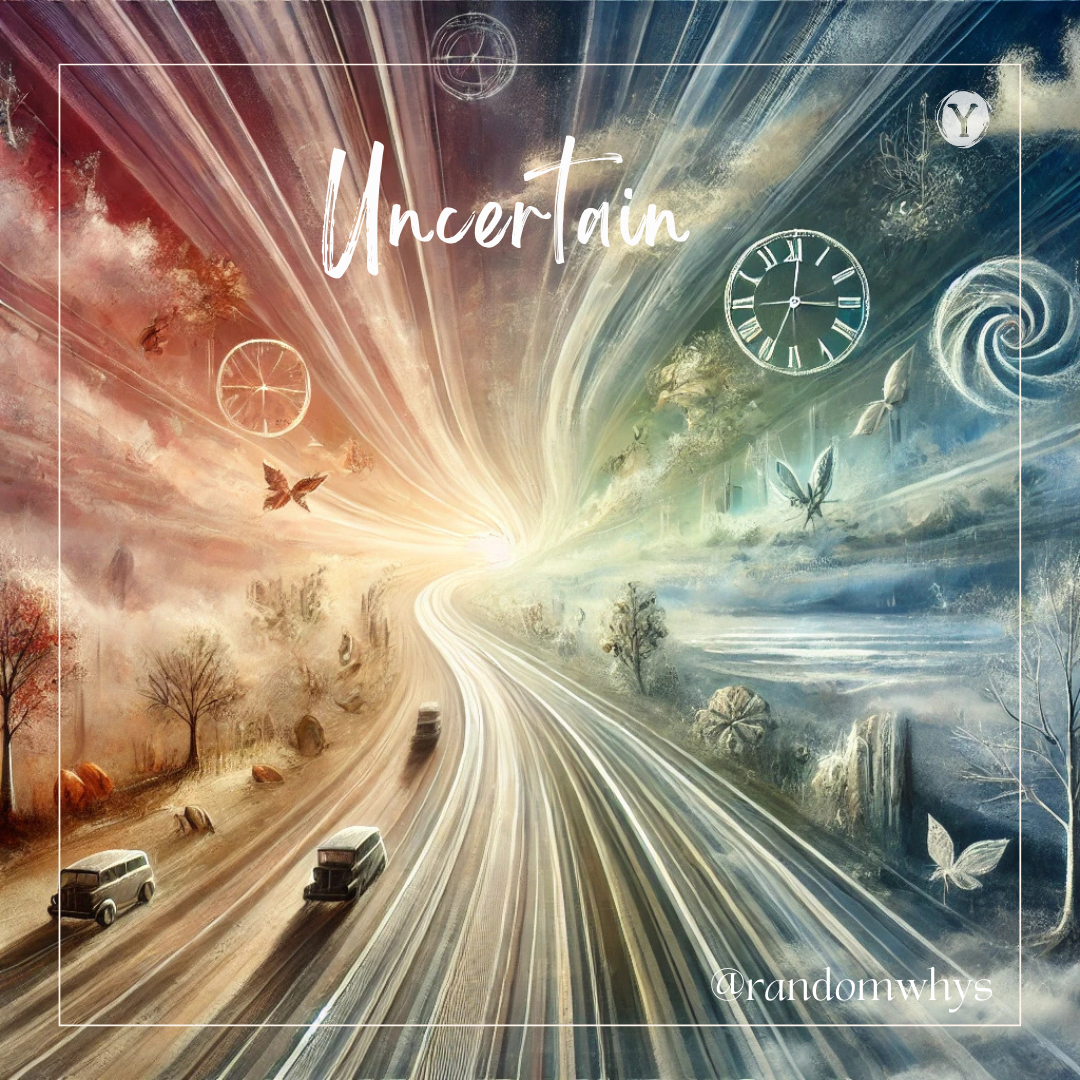
Uncertain

While organizing my inbox, I encountered a quote about the past’s uncertainty compared to the future, prompting me to reflect on how my perceptions of past events change over time.

1–2 minutes

Today, while clearing out my inbox, I used keyboard shortcuts to sift through unread emails quickly. I skimmed each one, moving important messages to labeled folders (love to give colors), archiving those that weren’t, and moving to the next.

In the middle of this routine, I came across a quote in Morgan Housel’s Collab Fund newsletter that grabbed my attention. It was titled A Message from the Past. Curiosity got the best of me, so I opened it, but since I was in a rush, I only read the first few lines before closing it and returned to my inbox to cleanup.

However, the quote kept echoing in my mind:

The past is more uncertain than the future!

It was written by Russian poet Yevgeny Yevtushenko, tho I wasn’t sure. We often think of the future as unpredictable, full of surprises, and hear advice like “Don’t live in the future! Future is unpredictable! You never know what’s going to happen.” This quote seemed to suggest the opposite, leaving me a bit confused.

Eventually, I went back to the email again and read it in full, as well as a few others, and found the idea fascinating. I could really relate to it. Every time I think about my past right from childhood moments to events as recent as yesterday, I notice my understanding of these events shifts.

Let’s say something happened in 2006, my version of it in 2012, 2018, 2020, and now would each be different. It is actually. With my experiences, understanding and perspectives over a period of time, and when I look back, it’s like seeing things with a new lens.

That’s why, in a way, the past does feel uncertain pola!

What are your thoughts?

Cheers

Check out the other Home

If you like what you see and wish to support my work, then

Share your thoughts/suggestion at the comment section or mail at

randomwhyss[@]gmail[dot]com

Don’t miss out! Get notified about new blog posts straight to your inbox !

(No spam, pinky promise!)

Enter your mail to receive updates

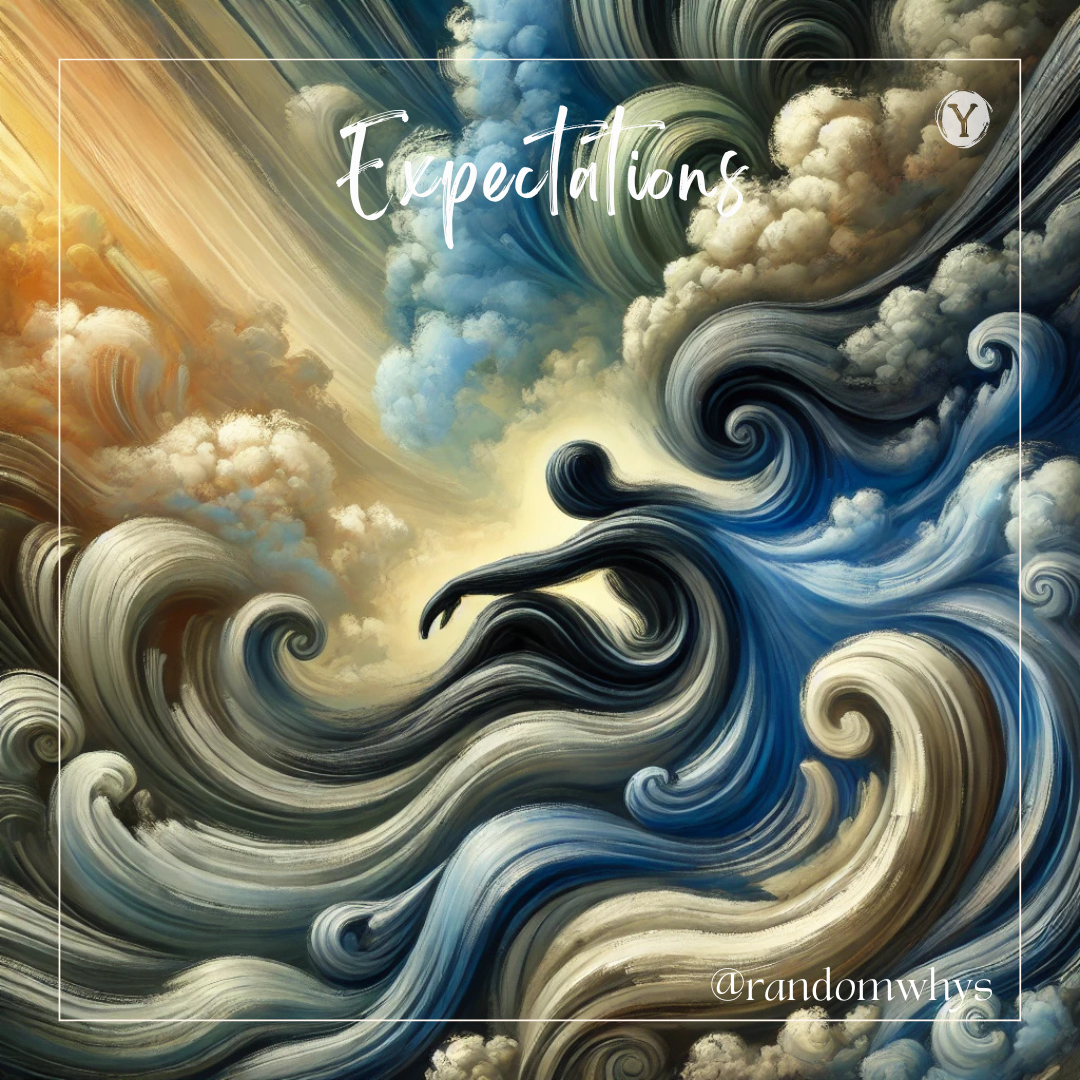
Expectations

The author reflects on expectations and the separation of tasks, emphasizing the importance of individual responsibility and self-acceptance while trusting others to manage their own duties.

2–3 minutes

I’ve been preoccupied with both work and thoughts, which kept me from writing. Apologies. But one idea has been running through my mind for the past week: expectation. It’s a small word, yet it carries a huge weight.

Recently, I’ve been reading about some fascinating concepts—terms like separation of tasks, vertical and horizontal relationships, self-acceptance, and confidence in others. I haven’t finished that book yet. I don’t want to dive deep into these theories right now, but one particular idea stood out to me: separation of tasks.

This idea revolves around the notion that whatever you need to do in life is your responsibility, and no one else can do it for you. Sure, people can assist you, encourage, or guide you, but at the end of the day, the task is yours alone. Everyone has their life tasks. It’s up to you to complete it. Philosophers often say that life moves forward without expectations, that humans merely exist, and we shouldn’t burden ourselves with the expectations of others. But, let’s be honest, expectations are everywhere.

Parents have expectations of their children. Teachers have them for their students. Bosses expect results from employees, and partners expect support or time from each other. These expectations could be about something material, about effort, or simply about showing up when needed. No one escapes them.

What really got me thinking was how this separation of tasks could change the way we handle expectations. The idea is that when you focus on your own tasks and trust others to handle theirs, the weight of expectations could reduce to an extent. You aren’t constantly worrying about meeting someone else’s expectations, and you’re not trying to do someone else’s job either. It frees you, in a way or the other.

But here’s the catch—this only works if you can accept yourself as you are, do what’s expected of you, and trust others to handle their own lives. That means having confidence in others and in you. It sounds simple, but how many of us actually trust ourselves and others that they will do theirs without stepping in to “help” or manage?

I find this concept interesting. But is it realistic? I’m not sure if I can fully follow this approach completely, but it’s definitely something I want to reflect on more. Maybe the key to handling expectations lies in accepting yourself, doing your own part, and trusting that others will do theirs. Hope! But it did sounds weird when someone says, I have no expectations! Lol. I need to reflect!

Cheers

PS: Not sure, if this post makes sense

Check out the other Home

If you like what you see and wish to support my work, then

Share your thoughts/suggestion at the comment section or mail at

randomwhyss[@]gmail[dot]com

Don’t miss out! Get notified about new blog posts straight to your inbox !

(No spam, pinky promise!)

Enter your mail to receive updates

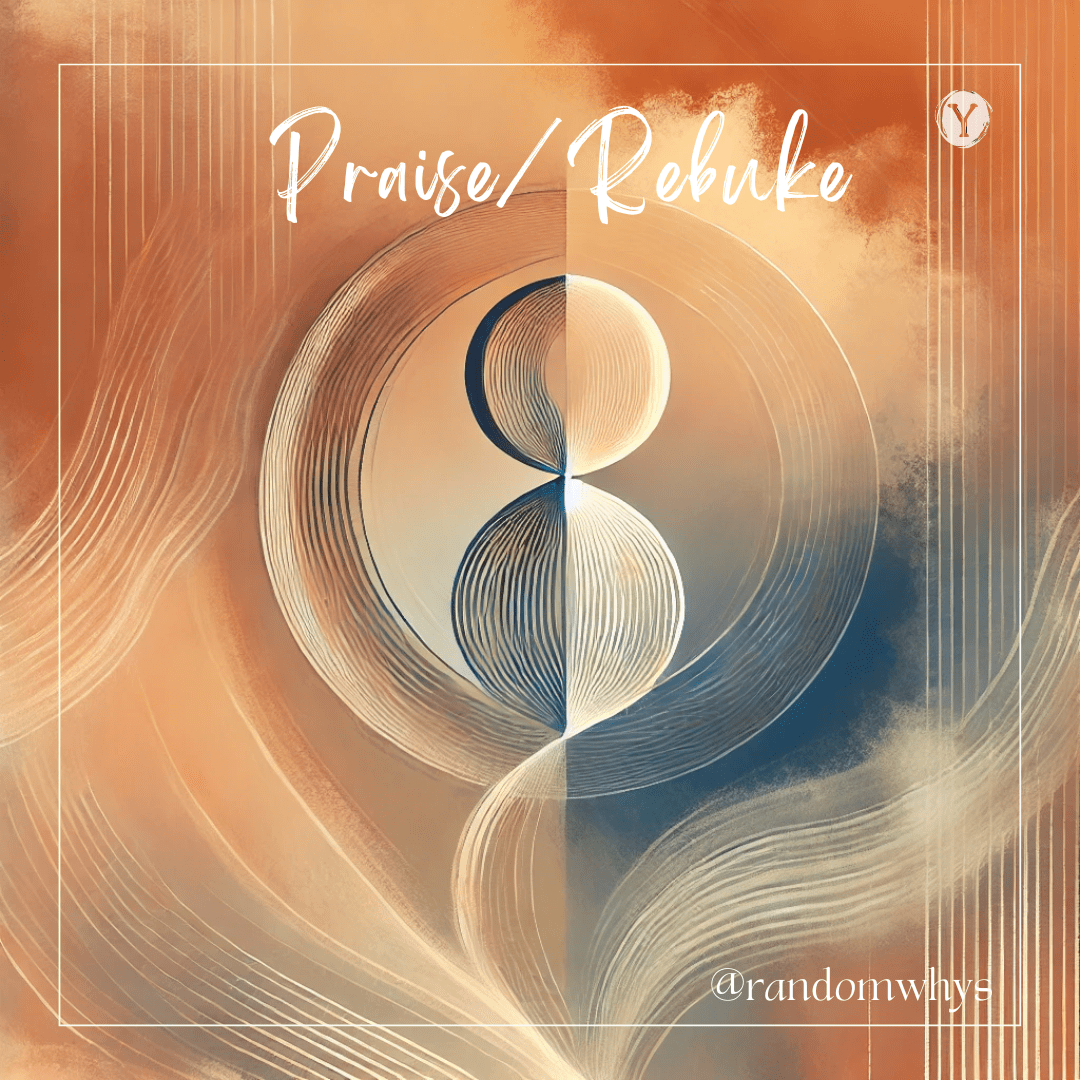
Praise/Rebuke!

The book “The Courage to Be Disliked” discusses Adlerian philosophy, emphasizing encouragement over praise or rebuke, which can manipulate our sense of freedom.

2–3 minutes

I’ve been reading a book for over a month now, but I still haven’t finished it. Maybe it’s because there’s a lot to absorb. There are many interesting chapters, but one thing that stayed with me is this. Don’t praise or rebuke, just focus on encouragement.

The book is called The Courage to Be Disliked, and it’s written by Ichiro Kishimi and Fumitake Koga. It’s a conversation between a young man and a philosopher, discussing Adlerian philosophy. There are many thought-provoking ideas, but the chapter “To live in earnest in the here and now” was especially hard to understand and accept. I’m still trying to adjust to it.

The philosopher says we shouldn’t praise or rebuke others. The young man argues that praise gives us confidence to face challenges, even life tasks. But the philosopher explains that praise is based on someone’s idea of what’s good or bad. When someone praises you as “good,” it means you’re being measured by their standards, which limits your freedom.

If receiving praise is what one is after, one will have no choice but to adapt to that person’s yardstick and put the brakes on one’s own freedom.

The idea here is that praise can manipulate people into fitting into a vertical hierarchy in relationships. An example given is how parents praise their children for good behavior. Now, think of this “good girl syndrome.” We are adjust ourselves to get the tag or label of good girl. The authenticity is lost/limited. Then it all made sense to me, but I’m still unsure if all praise leads to a hierarchy or if it’s always manipulative. These thoughts keep spinning in my mind. Yet, it gives a kind of awareness that it could be manipulative too.

The book could have explained more about why not rebuke and it isn’t stressed, but it does suggest an alternative to praising, “Encouragement”. At first, it might seem confusing, but the more you think about it, the clearer it becomes.

Maybe to avoid this, we could use a simple trick. When someone praises us, just say எல்லா புகழும் இறைவன் ஒருவனுக்கே (All praise belongs to God alone)! and move on. And when rebuked, we can simply say, Let me think about it, and move on. This reminds me of This too shall pass story But never let yourself fall!

Cheers

Check out the previous post: Expectations

Follow on IG X for more!

If you like what you see and wish to support my work, then

Share your thoughts/suggestion at the comment section or mail at

randomwhyss[@]gmail[dot]com

Don’t miss out! Get notified about new blog posts straight to your inbox !

(No spam, pinky promise!)

Enter your mail to receive updates

So you want to be a writer?

Bukowski emphasizes that writing should come naturally and passionately; if it feels forced or for external gains, don’t pursue it.

by Charles Bukowski

if it doesn't come bursting out of you
in spite of everything,
don't do it.
unless it comes unasked out of your
heart and your mind and your mouth
and your gut,
don't do it.


if you have to sit for hours
staring at your computer screen
or hunched over your
typewriter
searching for words,
don't do it.


if you're doing it for money or
fame,
don't do it.

......

if you have to sit there and
rewrite it again and again,
don't do it.

.....

if you're trying to write like somebody
else,
forget about it.
if you have to wait for it to roar out of
you,
then wait patiently.
if it never does roar out of you,
do something else.

.....
unless the sun inside you is
burning your gut,
don't do it.
when it is truly time,
and if you have been chosen,
it will do it by
itself and it will keep on doing it
until you die or it dies in you.

there is no other way.

and there never was.
Reposting From Sifting Through the Madness for the Word, the Line, the Way, the line, the way by Charles Bukowski (Source: Poets.org)

Found that poem through YT. It was inspiring! Hope it helps! These lines made me pause and think. They remind us that real creativity comes from a deep, genuine place. Bukowski urges us not to force it but to wait until we truly feel it. It’s a simple yet powerful!

Cheers!

Check out the latest post on Home

If you like what you see and wish to support my work, then

Share your thoughts/suggestion at the comment section or mail at

randomwhyss[@]gmail[dot]com

Don’t miss out! Get notified about new blog posts straight to your inbox !

(No spam, pinky promise!)

Enter your mail to receive updates

Hidden Expiry Date!

The content explains the distinction between perishable and non-perishable commodities, emphasizing that all products have a price and an eventual expiry or transformation.

1–2 minutes

Almost everything we buy has a price and an expiry date. For some products, we know the exact expiry date. For others, we can only guess when they might expire.

In agriculture, we classify products into two categories: perishable and non-perishable commodities.

Perishable commodities are those that spoil quickly. These include items like milk, fruits, and vegetables. For example, milk usually expires within a day or two. You need to consume it fast or it goes bad.

On the other hand, non-perishable commodities last much longer. Items like rice, flour, and beans can stay good for months or even years if stored properly. However, even non-perishable items can expire quickly when we change their form. Take rice as an example. Raw rice can last for years, but once it’s cooked, it must be eaten within a day or two.

You might question me with things like diamonds or rocks?

While they don’t have a typical “expiry date,” they still change over time. Diamonds are incredibly durable but can chip or crack under certain conditions. Rocks, too, last for millions of years but eventually erode due to natural processes called weathering and they transform into soil. Everything experiences transformation, even if it takes centuries.

This idea of expiry applies to almost all aspects of life.

Cheers

Check out the other post on Home

If you like what you see and wish to support my work, then

Share your thoughts/suggestion at the comment section or mail at

randomwhyss[@]gmail[dot]com

Don’t miss out! Get notified about new blog posts straight to your inbox !

(No spam, pinky promise!)

Enter your mail to receive updates

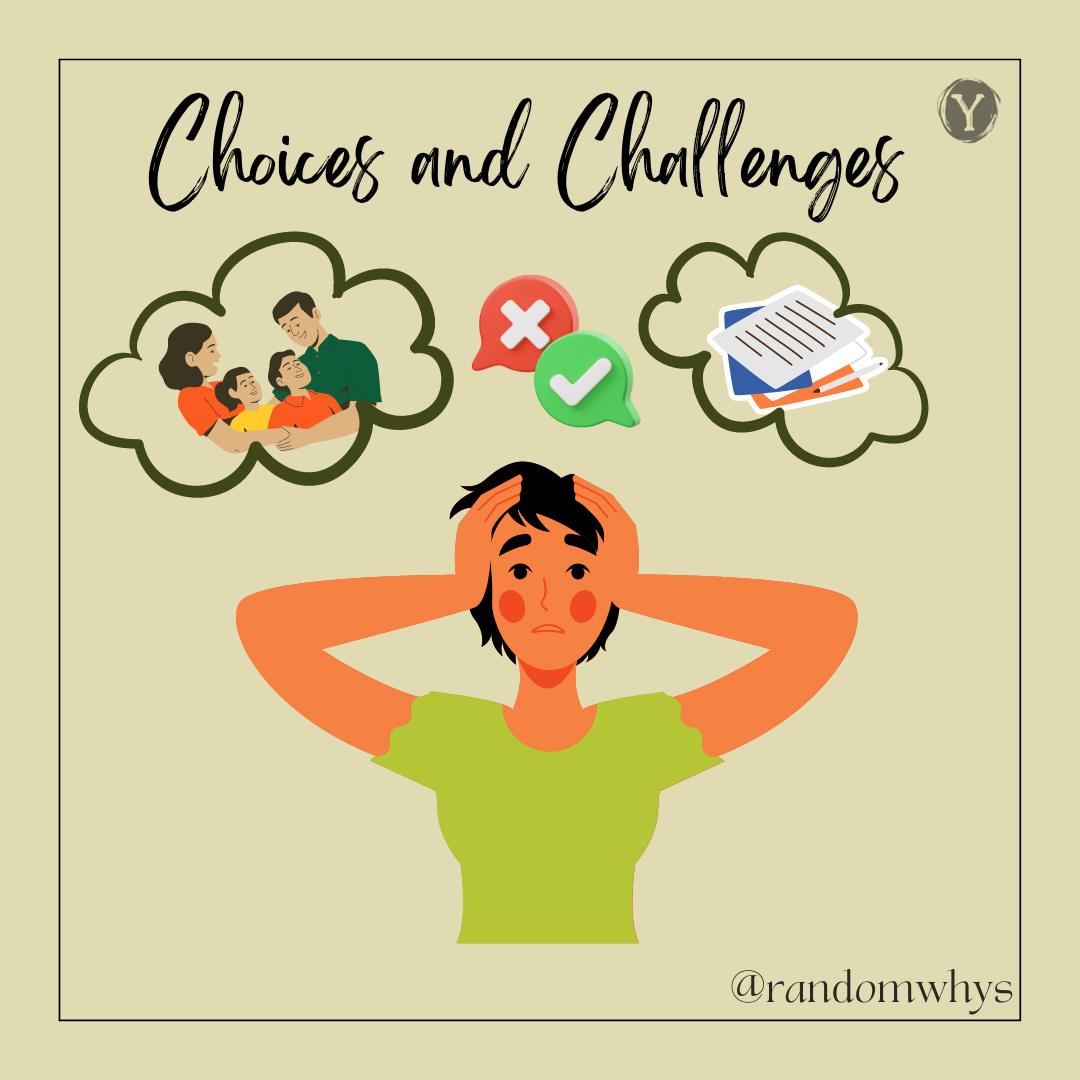
Choices and Challenges

The debate highlighted women’s struggles in choosing between homemaking and working, emphasizing the need for societal change.

2–3 minutes

This is a follow-up to my earlier post. Please read that one first for better understanding.

There was a debate on Neeya Nana, a Tamil TV show, about homemakers vs. working women. The show was filled with women and two men. The educated working women group argued that having a job gives financial independence, spreading knowledge, and promoting inclusivity. On the other side, the educated homemakers emphasized the importance of parenting, home maintenance, personal time, and providing healthy food for the family.

Women have the choice to work or stay at home, but some are privileged while others are oppressed. Here are some key points from the show:

  • Men doesn’t have a choice of staying at home
  • Raising children is harder without a joint family.
  • Balancing work with family health and values is tough.
  • Mothers feel pressured to raise children while men remain the providers.
  • Society expects women to be the “perfect” mother.
  • Sons who grow up with a homemaker mother might expect the same from their wives.
  • Some women may idolize homemakers and stop prioritizing education and work.
  • Correction on the taboo around periods. Women should rest during their menstrual cycle if they choose, not be forced. Too much of conditioning on women
  • The working set up/ companies doesn’t offer enough space to look after the kids.

However, the show missed addressing some issues

  • Domestic violence and oppression when women stay at home.
  • Emotional manipulation and undermining women’s intelligence.
  • The importance of working if the husband passes away.
  • The ability to leave a marriage in case of abuse.
  • Some women don’t have the choice between homemaking and working.
  • Work as escapism to certain people
  • It shouldn’t cause conflict over the choices they make
  • The involvement of men in all these issues addressed was missing.

Apart from that, two men supported and sat on the working women side, but I’m not sure what they said. It wasn’t telecasted either. Both sides in the debate justified and projected their choices, but none mentioned the struggles women (as collective) face either way.

In my previous post, I spoked about how women are vital to the economy. Developed nations have more women in the workforce, with better daycare and healthcare systems compared to ours. It helps to simplify their role and responsibilities. However, women here, are often ones who face criticism if something goes wrong with their children/family.

While we discuss gender issues and increasing women’s participation in various sectors, real changes are needed at the grassroots level—from both men and women. In the end, real progress for women will only come when we stop framing their choices as right or wrong and start addressing the deeper struggles they face—at home, at work, and in society. True equality begins when both men and women share the responsibility for change. It is available in Disney. Give it a try.

Cheers

Check out the other post on Home

If you like what you see and wish to support my work, then

Share your thoughts/suggestion at the comment section or mail at

randomwhyss[@]gmail[dot]com

Don’t miss out! Get notified about new blog posts straight to your inbox !

(No spam, pinky promise!)

Enter your mail to receive updates

The Benefit of Doubt

Summary: A psychologist’s advice on “benefit of the doubt” has impacted the writer’s relationships positively. It involves initial trust, setting boundaries, and the potential for positive change.

1–2 minutes

What a beautiful phrase, right? I started using it after hearing it from a psychologist I admire. He is like mentor to me and his advice has had a big impact on me. He doesn’t know me BTW. You never know who might influence your life. Check out his YouTube channel if you’re interested!

It is kind of trick that help me handle relationships. So, what does “benefit of the doubt” mean? It’s about giving someone a chance when you’re unsure if they’re being truthful. It doesn’t mean you should trust them completely, but you’re willing to give them the benefit of the doubt at first. If they keep showing the same behavior or patterns, that’s when you talk to them or set boundaries.

Sometimes, when you give someone the benefit of the doubt, they might surprise you and change for the better. And if not, at least you’ll know where you stand.

Cheers

Happy Week ahead!

If you like what you see and wish to support my work, then

Share your thoughts/suggestion at the comment section or mail at

randomwhyss[@]gmail[dot]com

Don’t miss out! Get notified about new blog posts straight to your inbox !

(No spam, pinky promise!)

Enter your mail to receive updates

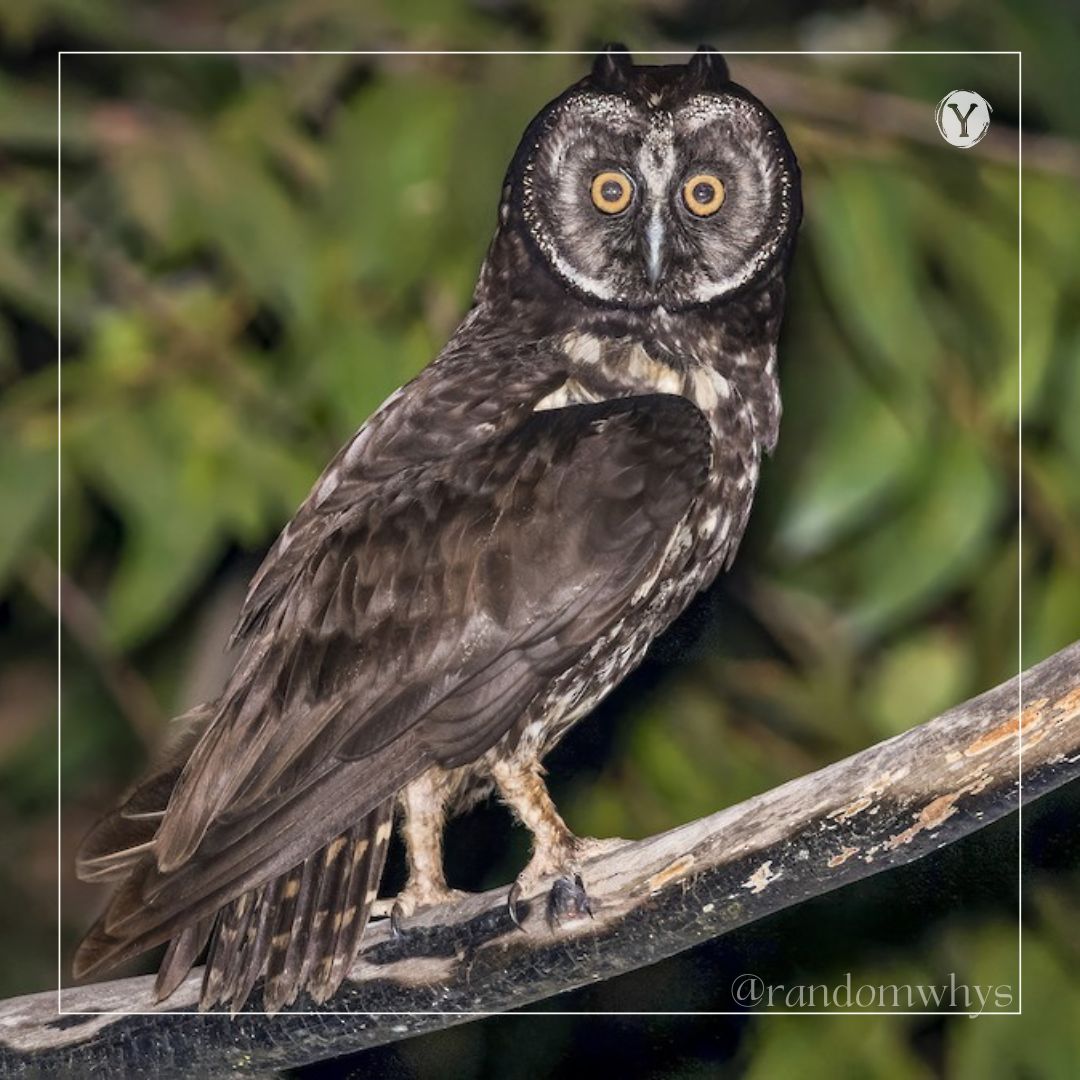
A Wise Old Owl!

The popular 19th-century rhyme about a wise owl emphasizes the importance of listening and observing over speaking. It encourages reflection in our busy, opinionated world.

2–3 minutes

I came across this beautiful rhyme which was published in the year 1875. I couldn’t find the author but it gained the popularity later the 19th century during the world war. Some sources say as Parrot magazine and some as The Oxford Dictionary of Nursery Rhymes by Iona and Peter Opie. While we don’t know exactly where it came from, the owl has always been a symbol of wisdom in many cultures. This is been known when John D. Rockefeller quoted this one.

Let me quote all the versions that I have

#Version 1

There was an owl liv'd in an oak
The more he heard, the less he spoke
The less he spoke, the more he heard.
O, if men were all like that wise bird

#Version 2

A wise old owl lived in an oak,
The more he saw, the less he spoke
The less he spoke, the more he heard,
Now, wasn't he a wise old bird?

#Version 3

A wise old owl lived in an oak,
The more he saw, the less he spoke;
The less he spoke, the more he heard;
Why can't we all be like that wise old bird?

Irrespective of versions, they convey the same meaning.

As the owl observes the world around him, he chose to speak less.

By speaking less, the owl was able to listen more carefully and take in more information. The more we understand, there is less need for speaking or offering opinions.

But, the wisdom comes from choosing the choice to observe and listen rather than speaking. Even, in the case of last version, a questioned is raised. Why don’t reflect on us and choose to listen than to speak.

In our busy world, where everyone has strong opinions, this old rhyme’s message is more important than ever. It teaches us that we often understand things better by watching and listening carefully, rather than by talking all the time.

Try this next time, you might be amazed at how much you learn by listening more and speaking less.

Cheers

Happy Weekend ahead!

PS: You can replace listen with read and speak with write.

If you like what you see and wish to support my work, then

Share your thoughts/suggestion at the comment section or mail at

randomwhyss[@]gmail[dot]com

Don’t miss out! Get notified about new blog posts straight to your inbox !

(No spam, pinky promise!)

Enter your mail to receive updates

Guest Post #101

From Reader S. This marks our first Tamil publication, and we hope you enjoy the evocative imagery and deep emotions captured in this piece. I will try to translate this in the near future.

சூரியன் எனக்கு விடை சொல்லிக்கொண்டிருந்த 
நேரத்தில் தான் அவளை பார்த்தேன்.
நான் வலது பக்கமாய் அணையின் தண்ணீரை வேடிக்கை பார்த்துக்கொண்டிருக்கையில் இடதுபுறமாய் ஒரு தோழியுடன் வந்து புன்னகையாய் 'ஹாய்' சொன்னாள்...
அவளை நான் சந்திப்பது இதுதான் முதல்முறையாய் இருந்தாலும் பல காலமாக பழகியவள் போல இயல்பாக பேசினாள்...
எல்லோராலும் முடிந்த ஒன்றல்ல அது...

ஆனால் எனக்கு அவளிடம் சில விதிமுறைகள் இருந்தன...
ஏனென்றால் அவள் எனக்கு ஒரு தோழி மூலமாக அறிமுகமானவள்...
தோழிகளின் தோழிகளிடத்தில் அத்தனை எளிதாக உரிமை எடுத்துக்கொள்ள கூடாது...
அத்தனை எளிதாக நெருக்கமாக கூடாது என்று எழுதப்படாத விதி இருக்கிறது...
இதுதான் முதல்முறையாய் இந்த இடத்திற்கு வந்தது போலவே இல்லாமல் அத்தனை இயல்பாய் இருந்தாள்...
ஒரு காட்டு வழியே செல்லும் நீர்வீழ்ச்சிக்கு அவளை அழைத்து சென்றேன்...
கொஞ்சம் ஆசையுடனும் அதிக யோசனைகளுடனும் அவள் அந்த தண்ணீருக்குள் மிதக்க ஆரம்பித்தாள்...
தலைக்கு மேலிருந்து தாலாட்டு போல கொட்டிக்கொண்டிருந்த அந்த நீருக்கு அடியில் பெரும் தயக்கத்துடன் நின்றாள்...

அவளின் கூந்தல் தொட்டு தண்ணீர் கீழே விழுகையில் அவளை பார்த்தேன்...
இந்த உலகத்தில் எதுவும் பார்க்க கூடாதென்று முடிவு செய்தவள் போல கண்களை இறுக்கமாக மூடி இருந்தாள்...

போர்வை இல்லாத குளிர்காலம் போல அவளது உதடுகள் நடுங்கிக் கொண்டிருந்தது...
அவள் முகத்தில் ஒரு பயம் தெரிந்தது...
அது தண்ணீருக்குள் மூழ்கிவிடுவோம் என்று பயப்படுகிறாள் என்று நினைத்தேன்....
ஆனால் அவள் மனதிற்குள் ஏதோ ஒன்று அவளை மூழ்கடித்துக் கொண்டிருக்கிறது என்று புரிந்தது...
அவளுக்கு இந்த இடத்தை விட்டு உடனே விலகி செல்ல தோன்றவில்லை...

இருந்தாலும் போய்தானே ஆக வேண்டும்...
பறவைகளின் வாழ்க்கை பறந்துக்கொண்டே இருப்பதுதானே...
அடுத்த நாளில் என் ஞாபகங்களில் அவள் பறந்துக்கொண்டிருந்தாள்...
'மிஸ் யூ' என்று குறுஞ்செய்தி அனுப்பினேன்...

'நான் இன்னும் செத்துப்போகல' என்றாள்...
அந்த பதிலுக்கு பிறகு இப்போதெல்லாம் நான் யாரிடமும் 'மிஸ் யூ' சொல்வதில்லை...!

Art vs Artist?

The debate about separating art from the artist is complex. Should we judge an artist’s work based on their personal life? It’s a personal decision.

2–3 minutes

Recently, I found myself confused about a tricky question. Should we separate the art from the artist? Do we need to think about an artist’s personal life or just enjoy their work without worrying about where it came from? or just celebrate things as it is?

Art, be it music, painting, a book, a song, a poem or a movie has a big impact on us. They bring a drastic changes in us and make us feel emotionally strong. With the rise of technology, we see many artists are famous for their talent and creativity.

But the question is, when we find out that some of the artists have done bad things in their personal lives, then how do we feel about their work? Does it change the lens or still the same?

I read mixed suggestions across the platforms. Some people believe that art should be viewed as art separately from the artist. We can enjoy and appreciate the art without supporting the behavior or the beliefs of the artist. I don’t want quote an example. Someone would’ve popped in your mind while reading this

On the other hand, people think that we should the artist’s personal life when we look at their work. Since art often reflects the artist’s thoughts and feelings and knowing more about them can help us understand their work better. Also, if we celebrate their art, then does it mean we are okay with their actions? Are we also supporting the artist’s bad behavior? Can we still watch movies who has hurt others? or Is it okay to listen to music by an artist who has been abusive?

I feel like there isn’t a simple answer to these questions. Maybe, it is too subjective to decide and to figure out what feels right for you whether to support or not.

I am not sure whether I have arrived at a conclusion. I am just trying to find a balance. It is hard to ignore a good piece of art but it is also important to recognize those mistakes. We can try to understand the whole picture, seeing the good in art and acknowledging the bad in the artist.

In the end, it is a personal choice whether we continue to celebrate the art, or the artist or find a middle ground. This process of thinking and questioning helps us to reevaluate our values and experience the art richer.

What’s your thoughts? Let me know in the comments!

Cheers

PS: Gemini created this image!

Happy Weekend, Check out related posts : Subjective vs. Objective Art, Why art always finds its way back?

Follow on IG X for more!

If you like what you see and wish to support my work, then

Share your thoughts/suggestion at the comment section or mail at

randomwhyss[@]gmail[dot]com

Don’t miss out! Get notified about new blog posts straight to your inbox !

(No spam, pinky promise!)

Enter your mail to receive updates

Hallyu: Korean Culture and Social Change!

“Neeya Naana” is a popular Tamil debate show that recently discussed the global popularity of South Korean culture. The show explores the impact of K-dramas, K-pop, and other aspects of Korean culture, prompting important conversations about social change and individual empowerment.

3–5 minutes

There’s a debate show in Tamil called Neeya Naana, which has been running for over a decade. It features discussions on trending and controversial topics, with people invited to share their perspectives. The show airs on Sundays. Yesterday’s episode focused on supporters of South Korean culture and those against it. Many people sent me the promos because I’m a fan of Kdramas and their storylines. This blog won’t be a justification as a fan but rather an unbiased look at both sides of the argument.

Hayllu is also known as Korean wave, referring to the global popularity and spread of South Korean culture. This was coined by Chinese media in the late 1990s to describe the popularity of Korean entertainment.

With the spread of technology, South Korean culture has reached far and wide, with K-Pop and dramas being the most prominent. These forms of entertainment transport us to a fantasy world, thanks to the talented writers. The visuals, themes, and plots are clean and appealing, and the characters are well developed with empathy, loyalty, grace and resilience. Otherwise, it’s too violent and blood shedding. These traits are portrayed well.

Most dramas require 12-16 hours to watch, and while movies are also popular, dramas have a broader reach. They are time consuming yet it keeps you hooked.

Apart from that, language, gestures, colors, fashion, food, skin care and tourism has gained popularity. This wave of popularity isn’t limited to India; it extends across Southeast Asian countries, possibly due to cultural similarities.

There is a historical account of a Tamil princess who married a Korean king, highlighting the cultural connections between the regions. We share similarities in language, sweets and savories, and various functions and festivals. However, there is still debate on whether the princess was from North or South India. I am not sure either.

K-Pop has reached everywhere, attracting the audiences worldwide. The struggles faced by the artists are often highlighted, drawing people in. Their songs focus on themes of self-love, improvement, dreams, and passion, centering around personal growth. These songs are also very sooth.

However, there’s much more to Korean literature that hasn’t yet been fully explored or showcased on the internet. If you watch some non-romantic comedies or dramas, you’ll realize there’s a wealth of content yet to be translated. For instance, there’s a Kdrama called “Midnight Romance in Hagwon,” which revolves around a tutor in a coaching center (though I still don’t understand why it’s named that). In the series, one of the Korean teachers teaches a poem written during the Japanese colonial period.

The poem is about a baby left at home after the parents leave for work. The baby eats chilies and chives and gasps for breath. On the surface, this seems straightforward, but the author uses this scenario to illustrate how children mimic the actions of their elders. The baby eating chilies and chives represents the act of smoking and the subsequent gasps for breath.

I tried searching across various browsers and AI models but couldn’t find any accurate translations or representations. The issue is that none of them depict the actual picture. Some dramas do portray these situations very clearly, and they can be stressful and haunting for weeks. For example, “Silenced“, “Unlocked,” “Sky Castle,” “The World of the Married,” “My Liberation Notes,” “My Mister,” and “Misaeng” vividly illustrate the hierarchy (a major issue in the workplace), patriarchy, discrimination between the rich and poor, education system and beauty standards. There are also documentaries on trafficking that shed light on these serious issues.

I’m not sure if everyone is aware of the 4B movement in South Korea. It’s a protest against patriarchy, where women are choosing not to get married and rising living costs. Check out my post on FOHO for more details. Along with that, the fertility rate in Korea is drastically decreasing.

I’m not for or against South Korean dramas. Everything comes with its own flaws. The fictional men in these shows are often very attractive. Of course, Its my escape mechanism. But it’s important to know the difference between fiction and real life. While I enjoy these dramas, I’m also interested in reading Korean books. I think they might give me a better understanding of Korean culture. I hope, they translate it soon.

As South Korean media continues to explore these themes, it offers both entertainment and a critical lens on the realities faced by many. This cultural phenomenon not only resonates with audiences worldwide but also prompts important conversations about social change and individual empowerment.

Cheers

PS: Views are personal and subjective.

Please do comment your fav movie/shows

If you like what you see and wish to support my work, then

Share your thoughts/suggestion at the comment section or mail at

randomwhyss[@]gmail[dot]com

Don’t miss out! Get notified about new blog posts straight to your inbox !

(No spam, pinky promise!)

Enter your mail to receive updates

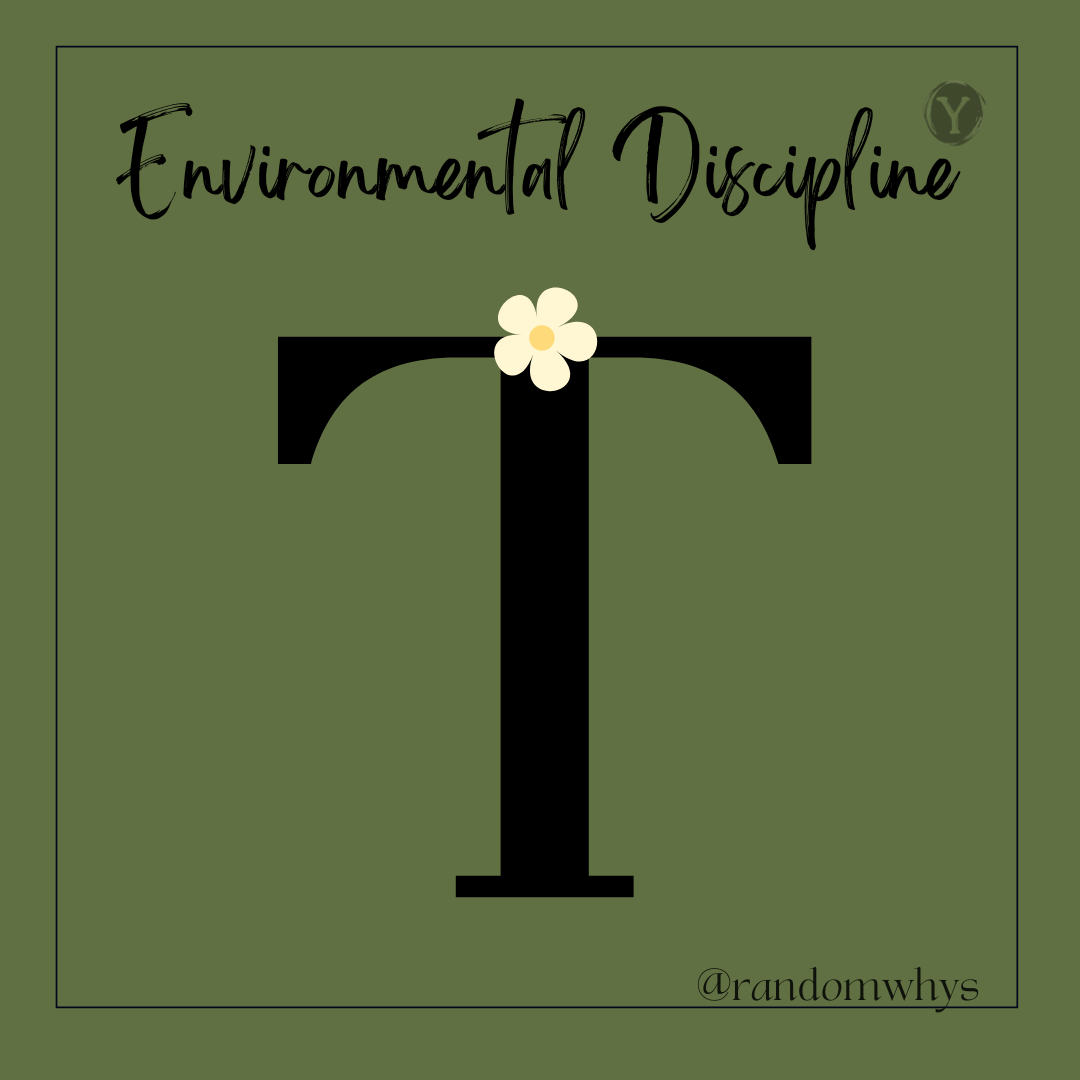
Environmental Discipline : God

Local community transforms waste site by building a temple, demonstrating power of conditioning for cleanliness. Modern solutions crucial for environmental impact.

2–3 minutes

I haven’t read any related to sustainability lately. Then, I remember a local incident, which can be worth sharing. Disclaimer: This story isn’t about praising any religion or deity. Please do read this from a scientific and environmental perspective/lens rather than a religious one.

I live in a suburban and there is a village near by. There was a dead end road. Obviously, it becomes the unofficial spot for dumping the waste. Imagine the dead end like T shaped intersection, with trash been thrown at point where the two lines meet.

The local people, tried various methods to clean this mess. They started with a polite warning in Tamil asking people not to litter any further. Nothing happened. Then, they wrote harsh warnings even with some curse words. They failed yet. This made reduced the littering but the issue remained.

So, they finally pooled their money and built a small temple at the intersection. Surprisingly, this action transformed the area so clean. This made me reflect on the power of conditioning. Presence of temple created a sense of discipline and respect where the previous methods fails to achieve.

I wonder, if we were to conditioned in the similar way on waste management as well. Like knowing to separate the biodegradable, non degradable, single use plastics and more into the respective bins.

I often think of a scene from Young Sheldon, where he (Sheldon) explains to his mother how gravity and electromagnetic force are working precisely so that the earth and the universe are not collapse. Just like a person (GOD) has a remote to control everything. I don’t want to go into the topic of God. We may not have the answers on the existence of god also, yet find value in the lessons and disciplines these beliefs they bring in.

The principles of respect and discipline existed for centuries. It find it intriguing how deeply ingrained practices, results in cleaner environment. When it is only for good for the people and surrounding not the other the around. But, the plastics are modern invention right? May be, we need modern solutions combined with these to bring better results.

Cheers

Happy Week ahead!

If you like what you see and wish to support my work, then

Share your thoughts/suggestion at the comment section or mail at

randomwhyss[@]gmail[dot]com

Don’t miss out! Get notified about new blog posts straight to your inbox !

(No spam, pinky promise!)

Enter your mail to receive updates